













By Omoyeni Ojeifo
With 92 days to Nigeria’s 2027 general elections, the Independent National Electoral Commission (INEC) has warned that artificial intelligence-generated disinformation, deepfakes and fabricated audio could manipulate voters and undermine public trust in the electoral process.
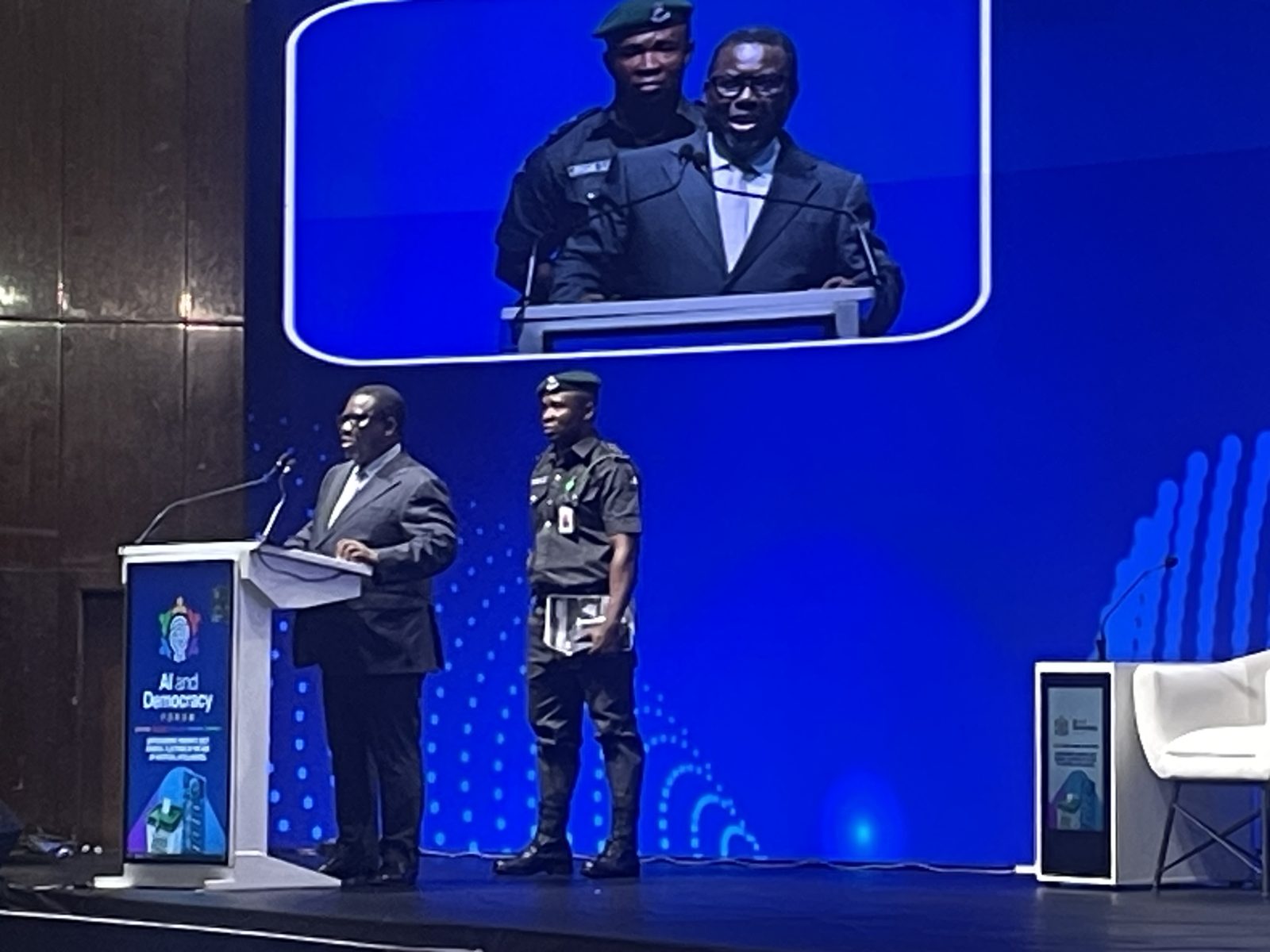
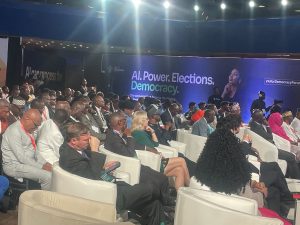
Prof. Joash Amupitan, INEC Chairman, gave the warning at the AI and Democracy Forum 2026, in Abuja on Wednesday under the theme, “Will Algorithms Determine the 2027 Vote?”
Amupitan cautioned that generative AI had made it easier and cheaper to produce convincing fake audio, videos and images capable of misleading voters about candidates, electoral officials and election procedures.
“The greatest threats we face today, as we go into this election, is not hacking ballot boxes, but the hacking of voters’ mind with generative AI,” he declared.
He recalled a fake video circulated shortly before the FCT Area Council election, which purportedly showed corps members serving as presiding officers being killed.
Investigations reportedly traced the footage to an incident from 2011, but it was recirculated to frighten voters and create fear ahead of the election.
Amupitan warned that the accessibility of generative AI tools had lowered the cost and technical skills required to produce convincing fake content, increasing the risks of electoral disinformation.
“The democratization of generative AI tools has lowered the costs and skill required to produce hyperrealistic fake audios, videos, imagery, deepfakes.”
To address the risks, he disclosed that INEC had established an artificial intelligence unit within its ICT department and was finalising an AI governance framework with the International Foundation for Electoral Systems, supported by the UK High Commission.
He maintained that critical electoral decisions, including result collation, voter accreditation and candidate qualification, must remain subject to human oversight, statutory safeguards and judicial review.
“Algorithms are reflection tools; they reflect the data we feed them, and biases we fail to correct,” Amupitan cautioned, highlighting the risks of biased data and the need for accountability.
Offering the technology industry’s perspective, Dave Leichtman, Microsoft’s Senior Director of Global Elections, argued that AI should be treated as both a tool for societal progress and a technology whose risks must be managed.
Leichtman said research suggested voters could distrust candidates who shared AI-generated synthetic media, warning that the use of such content could damage their credibility.
“Research from the U.S. is showing that people distrust a candidate more if they know that they’ve shared synthetic media,” he stated.
He also recalled a commitment made by major technology companies ahead of the 2024 elections to remove unauthorised synthetic media depicting candidates or election officials from their platforms.

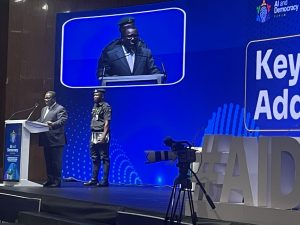
“We made a promise that if a candidate or an elections official were having their likeness used unauthorised on our platform, we would remove it immediately,” Leichtman said.
He added that Microsoft intended to maintain the commitment and had offered to load INEC’s final candidate list into its system to help prevent generative AI from producing photorealistic images of candidates.
Beyond the threat of fabricated content, the reliability of digital tools used to monitor election results also emerged as a concern at the forum.
In his opening remarks, Yiaga Africa Executive Director, Samson Itodo, warned that AI-powered platforms aggregating election results must prioritise data accuracy, transparency and auditability to protect public confidence in the process.
He clarified that civic organisations and other stakeholders could independently aggregate results to monitor elections, but the law reserves the official declaration of results and winners for INEC.
“Only INEC can declare results and declare winners of an election because that is the resolution of the law,” Itodo stated.
He warned that inaccurate data shared through independent results platforms could deepen political tensions and undermine confidence in the electoral process.
“If the data you are aggregating and sharing is not accurate, it could actually be a tool for political instability.”
Itodo also urged INEC to make its processes more transparent, arguing that openness would strengthen public acceptance of election outcomes.
“We call on INEC to continue to maintain transparency and openness, because the greater the openness, the greater the transparency, the more the acceptability of outcomes of elections,” he added.
PerSecondNews correspondent reports that the two-day forum, taking place on October 14 and 15, 2026, will bring together stakeholders from electoral institutions, technology, media, civil society, political parties, government and development sectors to examine AI’s influence on electoral integrity, public trust and political communication.
Author








Leave a comment