














By Oluwatosin Deba
The International Monetary Fund (IMF) has warned Nigeria against restoring a general petrol subsidy, urging the government to channel relief directly to vulnerable households struggling with rising fuel and transportation costs.
The fund said broad-based subsidies drain public resources and disproportionately benefit higher-income consumers, leaving less money for interventions that could better protect the poor.
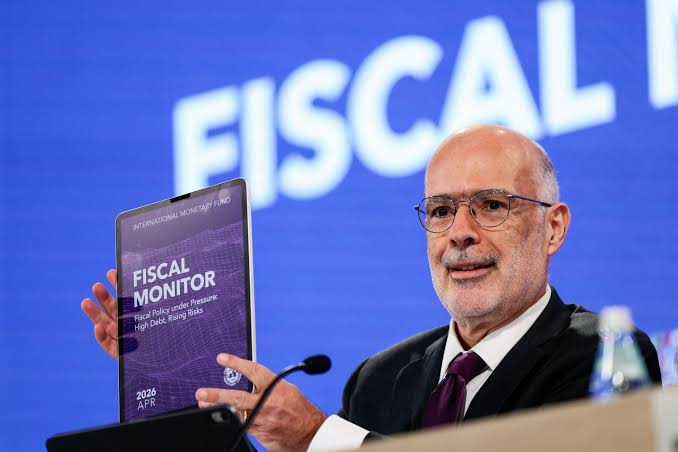
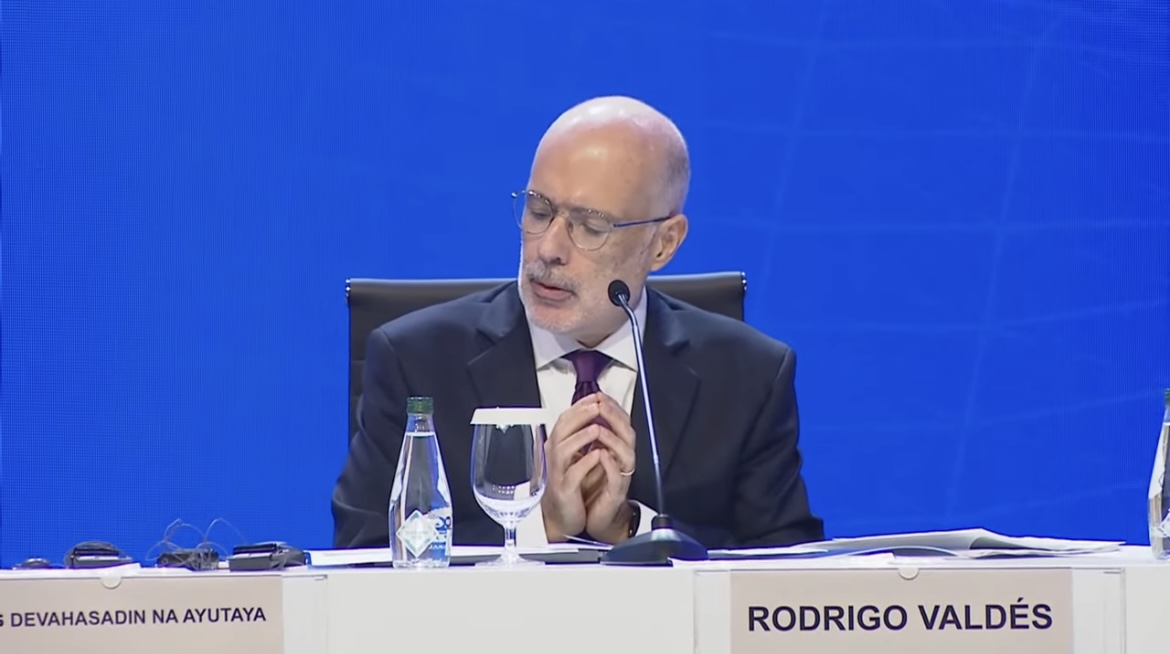
Director of the IMF’s Fiscal Affairs Department, Rodrigo Valdés, gave the advice on Wednesday during a Fiscal Monitor briefing at the 2026 IMF-World Bank Annual Meetings in Bangkok, Thailand.
Responding to concerns about rising petrol prices in Nigeria and calls for subsidy restoration ahead of the 2027 elections, Valdés said protecting citizens should not be confused with keeping fuel prices artificially low.
He explained that fuel subsidies and other measures shielding domestic energy prices from global market conditions had cost countries between one and 1.5 per cent of gross domestic product in 2026.
Governments, he said, should redirect those resources towards social safety nets and assistance for households most exposed to rising costs.
The warning comes as the Federal Government announced a 30-day petrol discount at Nigerian National Petroleum Company Limited retail outlets, with priority given to public transport operators.
Minister of Finance Taiwo Oyedele said NNPC Retail would sell petrol at cost by foregoing its retail profit margin. He described the intervention as temporary relief rather than a return to the subsidy regime.
The government also proposed negotiating a ceiling of ₦1,350 per litre on petrol’s ex-gantry or landing cost, subject to monthly reviews.
Per Second News reports that the IMF advocated more focused interventions, including support for public transportation, school feeding programmes, vulnerable farmers and households in affected areas.
Davide Furceri, a division chief in the fund’s Fiscal Affairs Department, said subsidising bus fares could deliver more effective relief than lowering petrol prices for every consumer.
He acknowledged that gaps in household data and digital payment systems could complicate the delivery of targeted assistance in some countries.
However, he urged governments to adopt temporary alternatives while strengthening their social protection systems, stressing that relief measures should remain limited, targeted and temporary.
Valdés also warned that broad-based fuel subsidies could intensify global energy pressures by encouraging consumption when supplies are constrained.
The fund maintained that allowing energy prices to reflect market conditions, while providing direct support to vulnerable households, would offer a more sustainable response to rising fuel costs and protect government finances.
Author






Leave a comment