





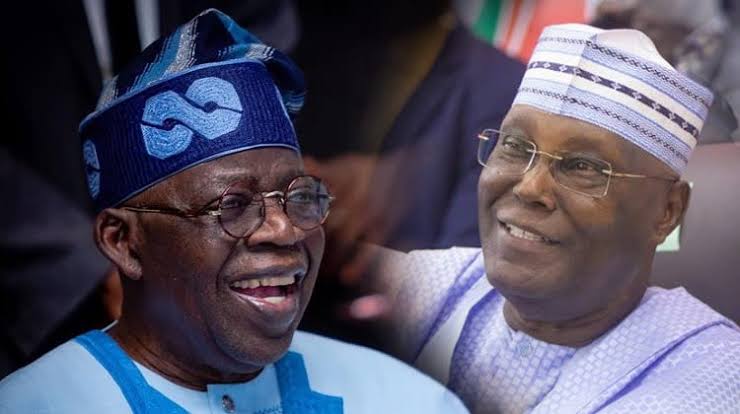
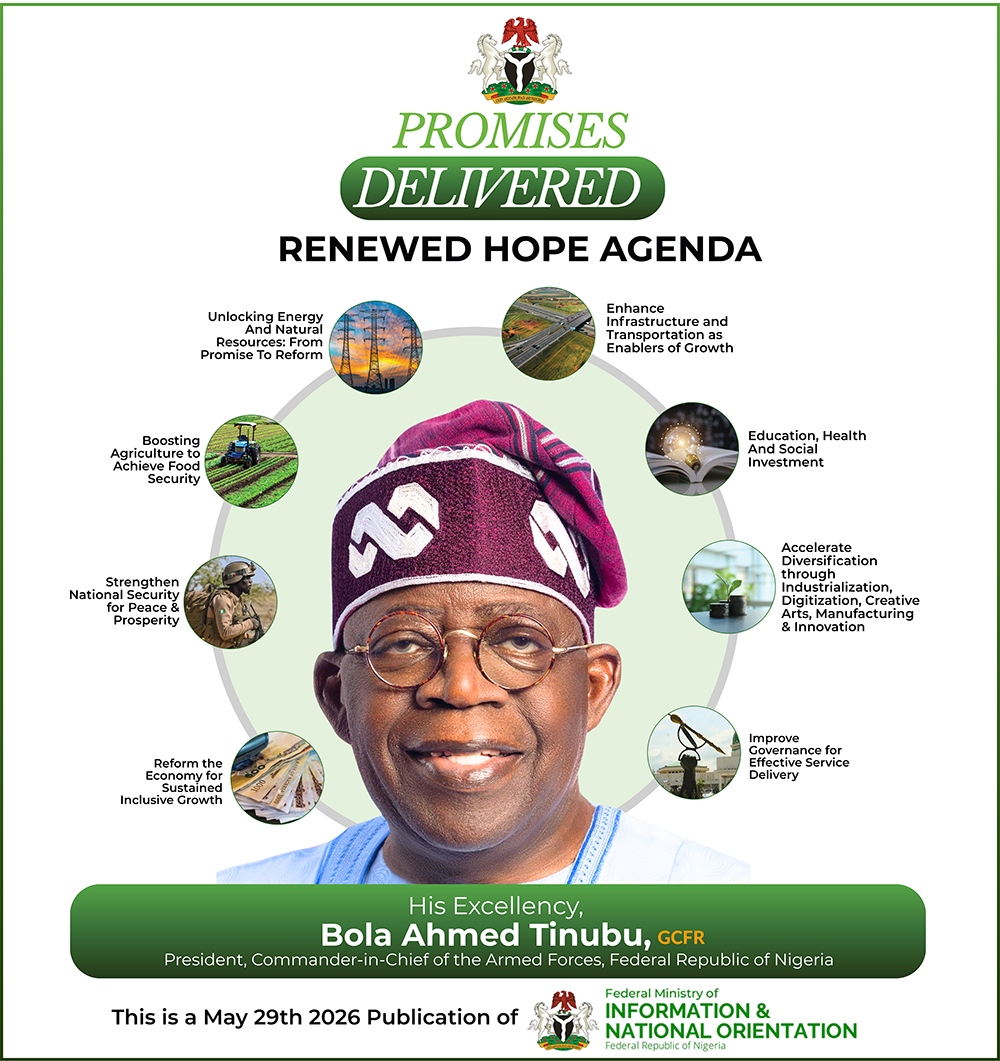


President Bola Tinubu had fired back at former Vice President Atiku Abubakar, accusing him of leaving behind a “mess” of unpaid pension obligations from the Obasanjo administration’s privatisation drive.
Tinubu noted that his government is now the one stuck paying those bills.
The President dropped the swipe at the State House during a visit from Northeast leaders gathered to celebrate Vice President Kashim Shettima’s renomination as his 2027 running mate.
Though he didn’t call Atiku out by name, Tinubu made a clear jab at his rival’s leadership of the privatisation programme, claiming the reforms shortchanged Nigerian pensioners.
“If I can go political, somebody among my prospective opponents, they privatised government investments in public entities, but they forgot to pay the pension. I’m clearing the pensions now, so clearing the mess they created. But I won’t complain,” Tinubu said.
The President used the occasion to defend his administration’s economic reforms, insisting that the economy had now been stabilised after difficult but necessary policy decisions.
“As a President and as a man who has been nominated for the second term, I hold democracy, consistency, dedication and steady focus to stabilise the country, the polity and the economy. One of the greatest aspects of it is the economy. The economy is already stabilized,” he said.
Tinubu thanked governors from the North-East for supporting his administration and urged them to intensify efforts towards regional development, recalling that he had fulfilled requests made by Gombe State Governor Inuwa Yahaya for critical road infrastructure in the region.
“I want to say thank you very much. I want to charge you to do more. I remember Inuwa Yahaya’s passionate plea for some road network in the North-East. We have fulfilled the promise,” the President also said.
He also stressed that the fight against terrorism and banditry required sustained cooperation among all levels of government, saying national unity remained the country’s greatest strength.
“I could see the leadership of the Northeast challenged because of terrorism and banditry. I could see our collaboration that we work together. Only if we stick together, think together and face the challenges the best way possible as a united country,” he said.
Expressing optimism about Nigeria’s future, Tinubu declared that the country had entered a new phase of recovery.
“The golden age is here now. If you can stabilise the economy, Nigerians are not asking for too much; simple stability and social welfare,” he said, adding with a light-hearted remark to pensioners present at the event: “I hope you are receiving your pensions.”
The President assured the delegation that his administration would remain committed to democratic governance, national unity and prosperity.
“The integrity and the commitment that you show me all from the Northeast, we have our hands on the plough, we’re never going to look back. I promise you, through the twists and turns of this democracy, Nigeria will survive and we’ll find our unity in diversity, a good path for democratic stability and prosperity in the country. I promise you, we’ll do our best,” he said.
Earlier, Tinubu expressed appreciation to prominent political leaders and traditional rulers from the North-east, including the Shehu of Borno, whom he described as one of the leaders of conscience he consulted in reaffirming his commitment to democracy.
He also reflected on his long political journey, recalling his early days in politics and paying tribute to senior political figures who helped shape his progressive ideals and democratic convictions.
Meanwhile, former Vice President and presidential candidate of the African Democratic Congress (ADC), Atiku Abubakar, in a statement yesterday by the Atiku Media Office, defended former President Olusegun Obasanjo era reforms.
The former vice president maintained that the Obasanjo administration, in which he served between 1999 and 2007, inherited a broken and underfunded Defined Benefits Scheme with pension liabilities estimated at over ₦2 trillion, representing about 25 per cent of Nigeria’s Gross Domestic Product at the time.
According to the statement, rather than apportion blame, “the administration introduced far-reaching reforms that culminated in the enactment of the Pension Reform Act 2004.”
It said the law established the Contributory Pension Scheme (CPS), created the National Pension Commission (PenCom) to regulate the sector, and replaced the old pay-as-you-go pension model, which had been characterised by chronic underfunding, bureaucratic delays, ghost pensioners and unpaid arrears.
Atiku said the reforms laid the foundation for Nigeria’s current pension system and prevented the accumulation of new unfunded pension liabilities.
Author



Leave a comment