












By Omoyeni Ojeifo
As part of measures to intensify the fight against substance abuse and illicit drug trafficking, international development partners, including the European Union (EU), the United Nations Office on Drugs and Crime (UNODC) and the Economic Community of West African States (ECOWAS) have pledged support for Nigeria’s 2026–2030 National Drug Control Master Plan.
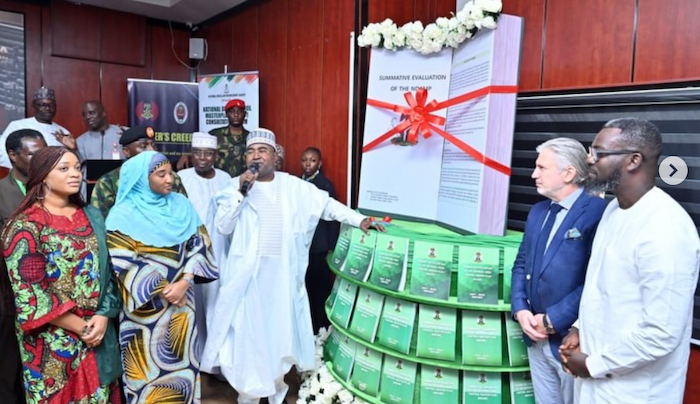
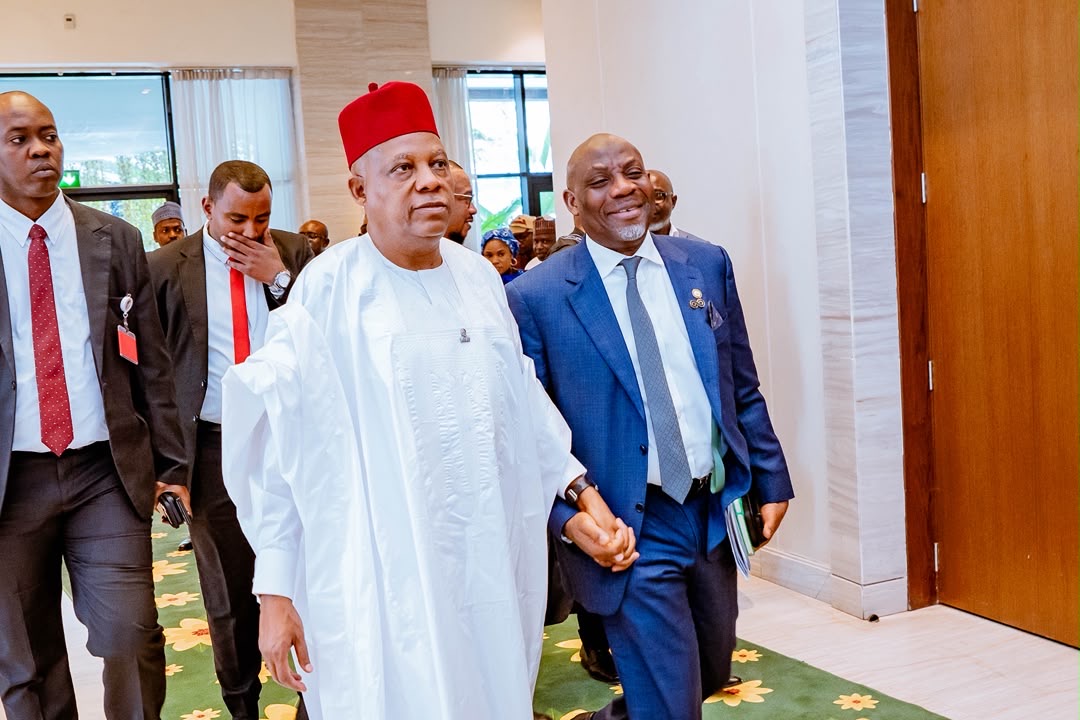
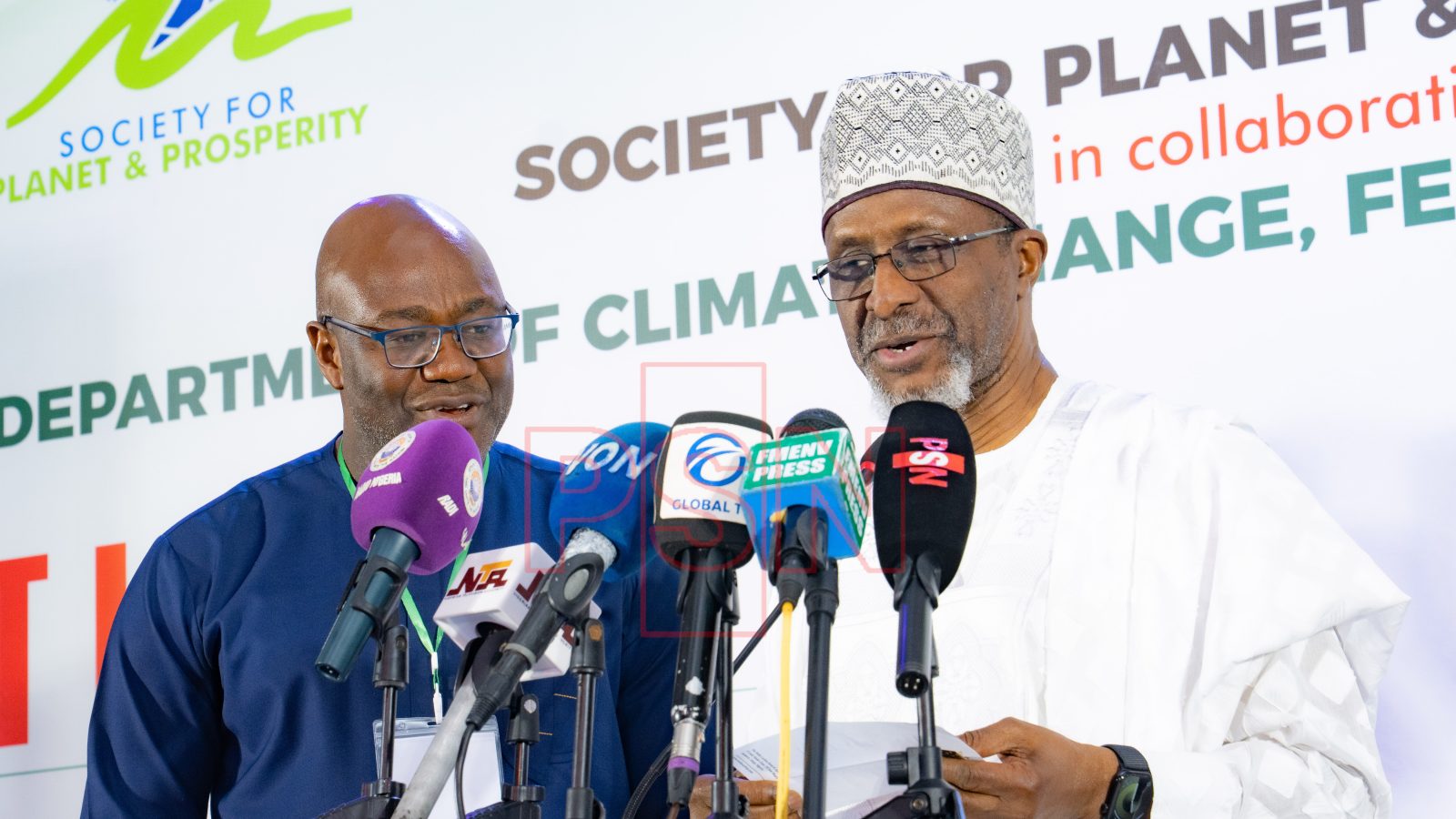
The commitment was made at the opening of a two day National Drug Control Master Plan (NDCMP) Consultative Forum organised by the National Drug Law Enforcement Agency (NDLEA) in Abuja on Monday.
The NDLEA disclosed this in a statement emailed to Persecondnews by its Director of Media and Advocacy, Femi Babafemi, in Abuja on Monday.
Chairman/Chief Executive Officer of NDLEA, retired Brig.-Gen. Mohamed Buba Marwa, warned at the forum that Nigeria’s drug crisis is becoming more complex.
He said projections by the United Nations Office on Drugs and Crime indicate that drug use in Africa could rise sharply by 2030, underscoring the urgency of a stronger national response.
“UNODC projections suggest a 40% spike in drug use across Africa by 2030. Recent reports from the Global Initiative Against Transnational Organized Crime confirm that West Africa remains a high pressure corridor for cocaine flows between Latin America and Europe,” he said.
Marwa noted that Nigeria’s drug environment is rapidly evolving with the emergence of synthetic substances, poly drug use and encrypted online trafficking systems.
“Our drug landscape is becoming increasingly complex as we battle the surge of synthetic substances and prescription drug abuse; the rise of poly-drug use and New Psychoactive Substances (NPS); the digitalization of the drug trade, where encrypted platforms and dark web operations shield illicit assets from traditional law enforcement,” he stated.
The NDLEA boss added that the 2026–2030 master plan introduces new strategic pillars focused on tackling the economic roots of drug trafficking and dismantling illicit financial networks.
“The new plan introduces two critical pillars to our strategy, that is: the Alternative Development and Sustainable Livelihoods that addresses the socio economic drivers of the drug trade, as well as disrupting the illicit drug economy, using financial intelligence to choke the lifeblood of trafficking networks,” he added.
Marwa urged stakeholders to contribute meaningfully to the final draft of the master plan, describing it as vital to national security and public health.
EU Deputy Head of Delegation to Nigeria and ECOWAS, Mr. Zissimos Vergos, said the European Union views drug trafficking as a shared global challenge requiring stronger international cooperation.
“Our presence here today is that of partners who have walked this uphill and rough road ourselves, and we continue doing that,” he said.
Vergos noted that both regions share similar concerns over the impact of drug abuse on families and communities.
“We have learned valuable lessons from them, and we believe deeply that Nigeria’s stability and Europe’s security are inseparable,” he added.
He stressed that drug trafficking goes beyond national borders and requires collective international action.
“What affects the youth of Maiduguri or the streets of Ibadan does not stay within Nigerian borders. Drug trafficking is a transnational challenge, and the master plan laid before this forum is Nigeria’s contribution to a transnational response,” he said.
UNODC Country Representative, Mr. Chiekh Ousmane Touré, said the global drug environment is changing rapidly, driven by synthetic drugs, evolving trafficking networks and increased use of digital platforms.
“Nigeria stands at the intersections of this,” he said.
Touré stressed the need for a strategy that is comprehensive, evidence based and adaptable to emerging threats.
“This underscores the urgency of developing a master plan that is not only comprehensive and balanced, but also data driven, forward looking, and adaptable to emerging threats,” he stated.
He reaffirmed UNODC’s commitment to supporting Nigeria through technical assistance and institutional support.
“UNODC remains fully committed to supporting Nigeria in this endeavor,” he added.
Also speaking, ECOWAS Commissioner for Human Development and Social Affairs, Dr. Daniel Amankwaah, said Nigeria’s master plan is critical to regional drug control efforts and would serve as a model for member states.
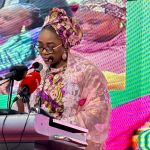
Minister of State for Education, Prof. Suwaiba Said Ahmad, commended the NDLEA for its efforts in tackling drug abuse, calling for stronger collaboration involving education, healthcare, law enforcement and community institutions.
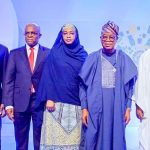
PersecondNews reports that participants at the event included the Chairman of the Senate Committee on Drugs and Narcotics, Sen. Joseph Igiagbe Ikpea represented by Sir Sebastian Ukpokoloh, and the Director-General of the National Orientation Agency, Lanre Issa-Onilu represented by Robinson Okechi.
Author


Leave a comment