










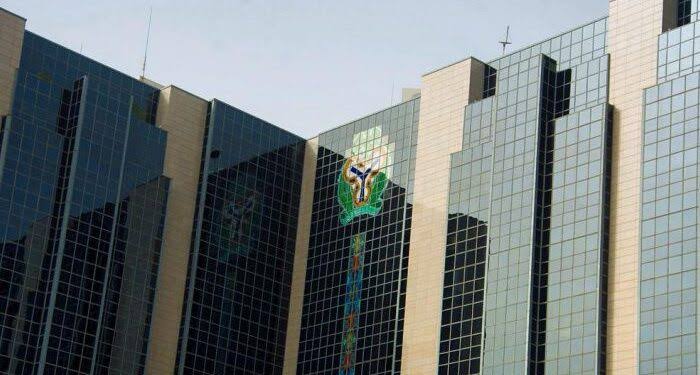



The pact is designed to tighten coordination between the two sectors, zero in on electronic fraud linked to mobile numbers, strengthen the integrity of payment systems, and give consumers stronger protection.
In a related development, the regulators also unveiled a joint framework specifically targeting the frustrating problem of failed airtime and data transactions, where payments are deducted but services are never delivered.
CBN Governor Olayemi Cardoso described the agreement as far more than routine paperwork.
Cardoso added that the deal would enhance joint work on approvals, technical standards, and innovation trials, including sandbox testing, to keep financial services reliable and ready to scale.
At the heart of the new arrangement is the Telecom Identity Risk Management Portal, a secure data-sharing platform built to spot and stop fraud involving recycled, swapped, or blacklisted phone numbers.
Banks and fintech firms will now be able to verify mobile number status in real time, adding an extra layer of defence for consumers and the entire financial system.
Dr Rakiya Yusuf, Director of Payment System Supervision at the CBN, noted that the partnership between the two regulators has grown steadily from separate oversight roles into a fully integrated effort to secure Nigeria’s digital and financial systems.
She traced the cooperation back to earlier moves to align mobile payment rules and telecom licensing, including the 2018 MoU that allowed telecom operators to offer mobile money services through special purpose vehicles.
Joint successes have already included resolving the USSD pricing dispute with the introduction of the N6.98 per session fee and recent steps toward a proposed 30-second refund framework for failed transactions.
NCC Executive Vice Chairman Aminu Maida called the signing a major milestone for the country’s digital future.
Maida explained that financial institutions will now have far better visibility into the real status of phone numbers used for transactions, including whether lines have been swapped, recycled, or flagged for fraud.
“This ensures that our financial services industry is better equipped with timely and relevant information to effectively combat e-fraud, particularly those perpetuated using phone numbers,” he said.
He assured Nigerians that consumer protection would improve significantly under the new framework, with problems such as failed airtime recharges set to be resolved much more quickly.
Two joint committees have been set up to drive the agreement forward: the Joint Committee on Payment Systems and Consumer Protection, and the Joint Committee on the Telecom Risk Management Platform.
The entire initiative is expected to deepen digital financial inclusion, cut fraud risks, and reinforce public trust in Nigeria’s fast-expanding digital economy.
In parallel, the CBN and NCC published a 20-page draft framework on the CBN’s website to tackle failed airtime and data transactions once and for all.
The regulators’ goal is to clearly define accountability, set standard timelines for resolving complaints, and establish a coordinated grievance-handling system that spans both the financial and telecommunications sectors.
Author










Leave a comment