














By Samuel Akpan
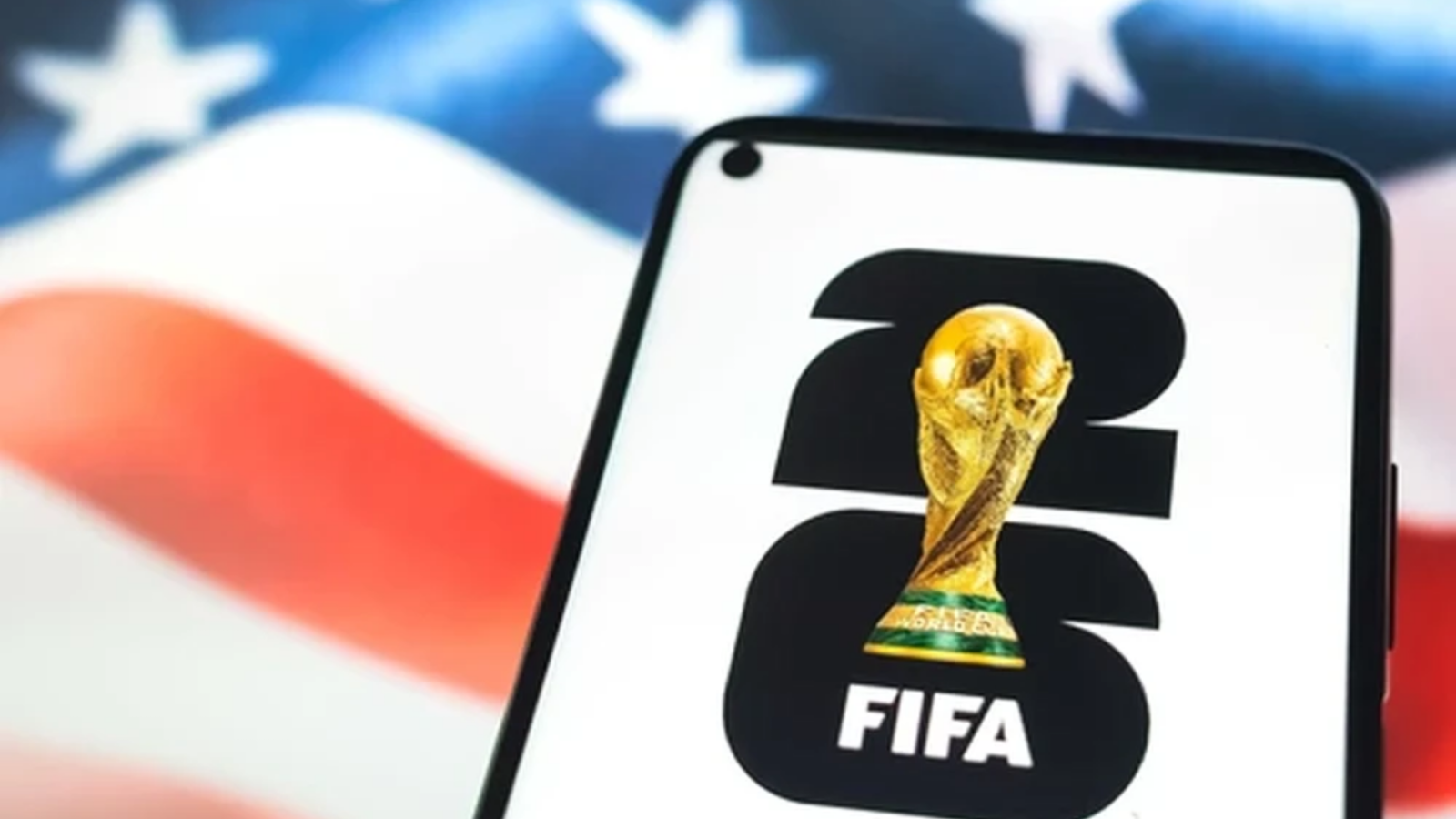
The 2026 World Cup officially began on Thursday as Mexico faced South Africa at Mexico City’s Estadio Azteca.
While the match launched the largest tournament in FIFA history, the opening was overshadowed by growing backlash over steep ticket prices and visa denials driven by US President Donald Trump’s immigration policies.
Co-hosted by the United States, Mexico and Canada, the expanded 48-team competition will run for nearly six weeks and end with the final in New Jersey on July 19.
Persecondnews gathered that it is projected to generate a record $13 billion in revenue.
FIFA President Gianni Infantino defended the tournament’s setup during a Wednesday appearance in Mexico City.
He pointed to limited $60 tickets and an average price below $500, insisting these were the lowest among major American sports in playoff stages, even though some tickets have exceeded $30,000.
US immigration enforcement has created further complications, blocking Somali referee Omar Artan after he arrived in Miami.
US authorities cited alleged links to suspected terrorist organizations—and also affecting Iranian team officials and fans.
Infantino called the referee’s exclusion unfortunate, noting FIFA cannot control every factor and must stay calm while working through problems.
He described Iran’s participation despite its military conflict with the US as a significant achievement for the organization.
Infantino credited President Trump with making the event possible in the United States, saying his involvement was essential.
Trump, who spoke with Infantino, confirmed plans to attend some matches and said nothing close to this level of success had been seen before.
South Africa coach Hugo Broos warned his players to block out the wall of noise inside the Estadio Azteca, the iconic venue that hosted World Cup finals in 1970 and 1986.
Persecondnews reports that FIFA’s 2026 World Cup ticket pricing strategies represent a deliberate shift toward variable (often called dynamic) pricing in one of the world’s most lucrative entertainment markets.
This approach has generated intense debate, record demand, significant revenue upside, and criticism over accessibility—exactly the issues highlighted around the tournament’s opening matches.
For the first time at a World Cup, FIFA moved away from largely fixed prices used in previous editions (e.g., 2022 Qatar or 2018 Russia).
Instead, it applies variable pricing: prices are reviewed and adjusted across multiple sales phases based on real-time demand signals, match importance (group stage vs. knockouts), participating teams (premium for host-nation or high-profile games), venue/city, seat location, and remaining availability.
After early backlash over high prices, FIFA introduced a limited Supporter Entry Tier at a flat $60 per ticket—available for all 104 matches, including the final.
These are allocated through national federations (PMAs) primarily to loyal supporters groups and fans following their teams.
They typically represent about 10% of each association’s ticket allocation, with another ~40% in a slightly higher “Value Tier.”
Numbers per match are modest (often a few hundred to around 1,000 total, split between the two teams).
This tier directly addresses Infantino’s claim that entry prices start at $60 and that 25% of group-stage tickets are under $300. General public prices start higher (often $120+), and premium/hospitality packages reach tens of thousands.
Ticketing and hospitality are central to FIFA’s record financial targets. The overall 2023–2026 cycle aims for ~$13 billion in revenue.
Matchday income (tickets + hospitality) is projected to roughly triple previous levels, potentially reaching ~$3 billion (vs. ~$950 million in 2022), thanks to more matches (104 vs. 64), larger venues in North America, and variable pricing.
Infantino has highlighted that the average ticket price is below $500 and compares favourably to U.S. sports playoffs (NFL, NBA, MLB, college), while the $60 entry is the lowest.
High demand—hundreds of millions of ticket requests for roughly 7 million seats—has been cited as validation.
Author










Leave a comment