














Mr. Dele Oye, Chairman of the Alliance for Economic Research and Ethics (AERE), says Nigeria has squandered a massive economic windfall amid the ongoing Iran conflict.
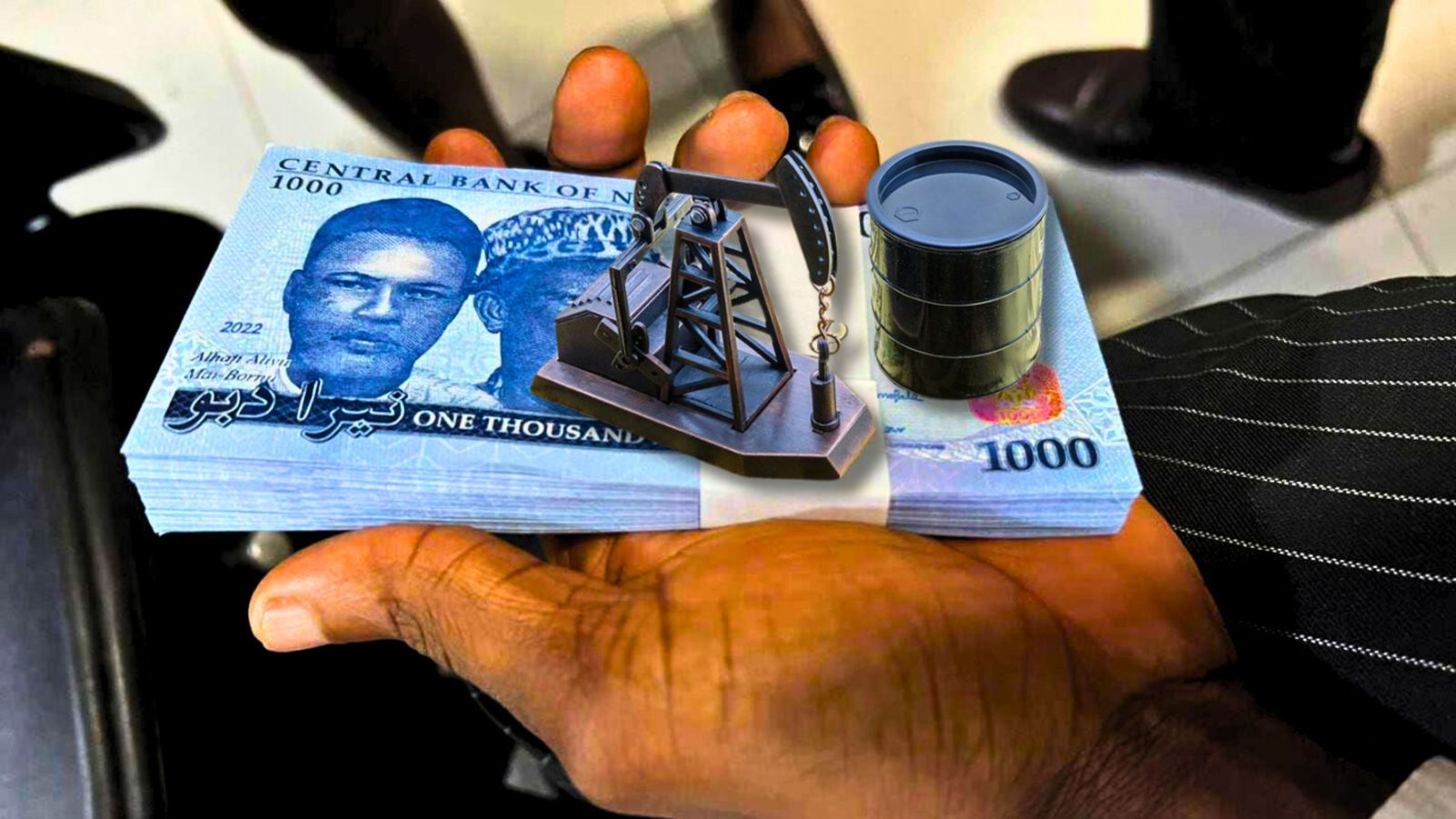
He said the global oil surge sparked by the Iran war could have injected N28.3 trillion annually into Nigeria’s economy.
Oye, a former chairman of the Organised Private Sector of Nigeria (OPSN), cautioned that without urgent production discipline, the country will continue to lose billions in potential revenue.
“When the Iran war sent oil prices soaring past $100 per barrel, many nations rushed to harvest the windfall. But Nigeria, the giant of Africa, found itself like the proverbial goat standing in front of palm leaves yet chewing stones. The paradox is painful: oil is expensive, but our pockets remain empty.
“On paper, Nigeria should be smiling to the bank. Brent crude now trades at $102–$114 per barrel, far above our budget benchmark of $64.85. That’s a premium of $37–$49 per barrel, translating to a theoretical N28.3 trillion annual windfall. But reality bites harder than arithmetic,” a statement signed by him said.
On production shortfall, Oye noted:“We pump 1.46 million barrels per day instead of the 1.84 million target. That’s 380,000 barrels missing daily like ‘cooking soup without meat.’
“Much of our crude is already pledged to creditors and refineries. During the Russia-Ukraine war, oil hit $110 for six months, yet Nigeria captured little. Why? Low production and subsidy drains.
Our ‘extra’ revenue is largely a mirage. Even NNPC’s promise to add 100,000 barrels is a “drop in the ocean” compared to the 360,000+ bpd gap.”
“We are watching billions slip through our fingers,” Oye noted, pointing out that this lost revenue could have solved some of the nation’s most pressing crises.
He argued that the windfall should have been used to create a national safety net, including:
*Establishing strategic oil reserves (which the country currently lacks).
*Lowering food costs through timely fertilizer subsidies before the April rains.
*Reducing transport expenses by funding CNG conversion kits and refinery investments.
*Protecting the poor via direct, targeted social transfers.
“But as elders say, ‘A child who cannot hold a cup should not be given a calabash.’ Without fixing production, these dreams remain ‘castles in the air.’
On the way forward, Oye suggested: “Nigeria must resist the temptation of quick fixes and instead build resilience: Sell crude to local refineries in naira to ease forex pressure.
“Above all, avoid the subsidy trap and resist adjusting budgets to assume $100 oil is permanent. As the elders say, “The rain does not fall forever; the sun must shine again.
“Nigeria stands at a crossroads. The Iran war has opened a window of opportunity, but without production discipline, we risk watching billions slip through our fingers. Oil booms are fleeting.
“The real test is whether Nigeria can finally build an economy that thrives not because oil is expensive, but because its foundations are strong enough to withstand both boom and gloom.
“As one editorial wisely put it: ‘A nation that eats its seed yam during planting season will starve at harvest.’ Nigeria must choose wisely.”
Author











Leave a comment