














By Omoyeni Ojeifo
In a move aimed at closing longstanding gaps in Nigeria’s education data system, the Federal Government has unveiled a new Learner Identification Number.
The system is designed to track students across the country and improve planning, transparency and accountability in the sector.
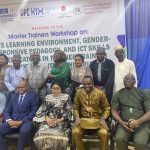
Persecondnews reporter who covered the event, reports that the initiative was unveiled during the stakeholders’ workshop on the Nigeria Education Data Infrastructure (NEDI)in Abuja on Thursday .
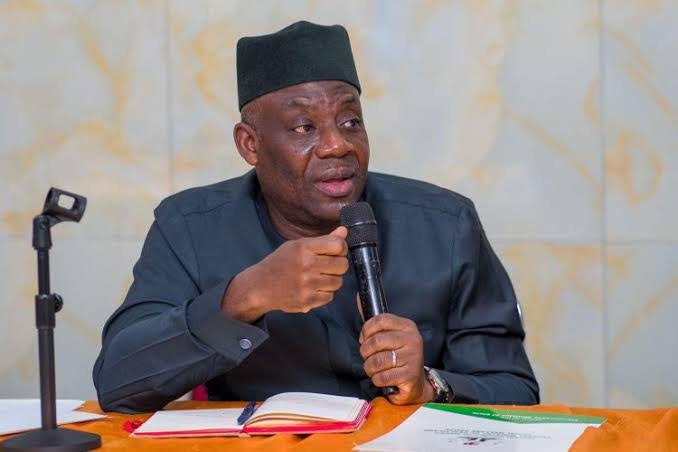
Dr. Tunji Alausa, Minister of Education, said the government was deploying technology driven systems to create a single reliable source of educational data across the country.
According to him, the learner identification system will assign every student a unique number linked to the National Identification Number, embedded with the students personal details.
He explained that part of the learner identification number would be tied to the last five digits of a student’s National Identification Number to ensure permanence and prevent duplication.
“That number will be linked to the last five digits of your NIN, making it immutable and unique to every learner in the country,” Alausa said.
He added that the Ministry of Education would work closely with the National Identity Management Commission (NIMC) to ensure full integration and verification of student identity records nationwide.
He said the initiative would enable government to track students throughout their educational journey, including when they move between schools or states.
“We didn’t even know the number of kids in school before, but today I can tell you the number of primary school students, the number of boys, the number of girls, the number of teachers and the facilities available,” the minister said.
The minister explained that the data infrastructure would provide detailed information on classrooms, computers, workshops, water access and other facilities in schools nationwide, allowing for evidence based planning and monitoring.
“Data is everything. We have to use technology and data in planning, implementation and monitoring outcomes. If interventions are not working, the data will show what adjustments need to be made.”
Alausa said the administration was determined to transform Nigeria’s growing youth population into a demographic advantage through improved education planning and investment.
“With about 70 per cent of our population below the age of 30, education remains the bedrock of national economic development. If we do not train these children well, we risk creating bigger problems for the country,” he added.
The minister further disclosed that candidates who sat for the 2025 WAEC and NECO examinations were already being integrated into the learner identification system, with full nationwide deployment expected in the coming months.
“This learner identification number will allow us to track students throughout their educational journey and create a single, unified platform that becomes the source of truth for Nigeria’s education system,” he emphasized.
The Ministry said the Nigeria Education Data Infrastructure initiative is designed to harmonise educational data from schools, examination bodies and government agencies into a single national platform.
Key leaders from across Nigeria’s education sector—ranging from federal ministers and deputy governors to heads of examination bodies and development partners—convened for the workshop.
Author










Leave a comment