









Veteran tactician Festus Onigbinde, a trailblazer in Nigerian football coaching, has died at the age of 88.
The respected figure passed away on Monday, March 9, marking a profound loss for the sport in Nigeria and beyond.
The family announced his demise in a statement on Monday, expressing gratitude to God for what they described as a fulfilled and impactful life.
“With great gratitude to God for a life well spent, we announce the passing of this great man, a Modakeke High Chief, the first indigenous Nigerian Super Eagles football coach, father, husband, grandfather, great-grandfather, brother and friend, High Chief Festus Adegboye Onigbinde,” the family said.
“We thank God for the fulfilled life and your contributions to the Nigerian nation and the world as an unequalled football coach.
“We pray that your soul will rest perfectly in the bosom of our Lord Jesus Christ. Good night till we meet to part no more.
“Final funeral arrangements will be communicated later.”
Onigbinde holds a special place in history as the first homegrown Nigerian coach to guide the national team at a major international tournament.
He took the reins of the Green Eagles—Nigeria’s national side at the time—during his initial tenure from 1983 to 1984, breaking new grounds for indigenous leadership in the country’s football scene.
One of his standout accomplishments came at the 1984 Africa Cup of Nations, where he steered Nigeria to a commendable second-place finish.
The Green Eagles delivered strong performances throughout the competition, ultimately securing the silver medal after a narrow defeat to Cameroon in the final match.
Widely admired for his emphasis on tactical structure and nurturing home-based talent, Onigbinde earned praise from fans and peers throughout Africa.
His approach focused on discipline and the growth of local players, helping to elevate the standard of coaching in the region.
After a long hiatus, he made a remarkable return to the national team helm nearly two decades later.
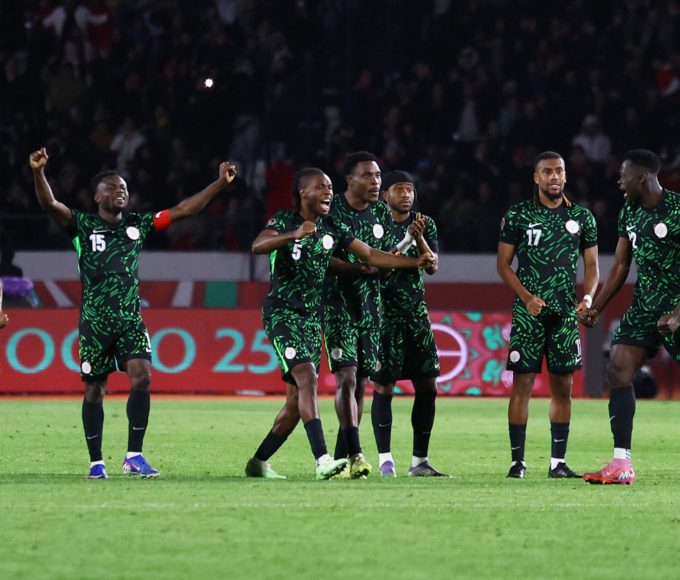
In 2002, Onigbinde led Nigeria at the FIFA World Cup, navigating a tough phase in the nation’s football history despite the team’s group-stage elimination.
The tournament marked Nigeria’s third consecutive World Cup appearance, having qualified from the African zone.
Onigbinde’s side was placed in Group F, widely regarded as the “Group of Death” due to the presence of strong contenders: Argentina, England, and Sweden.
His influence reached far beyond international duties, as he contributed significantly to the growth of club football in Nigeria.
Recognized as one of the most thoughtful and impactful minds in the game, Onigbinde shaped strategies and philosophies that benefited numerous teams and generations.
Author








Leave a comment