












By Omoyeni Ojeifo
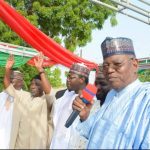
The Africa Youth Growth Foundation (AYGF) used this year’s World Malaria Day to showcase its progress in Edo State and advocate for a malaria-free Nigeria.
“In just one year, we have moved from a signed agreement to full scale implementation across all 18 local government areas. This demonstrates what is possible when systems are strengthened and communities are engaged,” he said.
He explained that the intervention is anchored on key pillars including capacity building, last mile distribution, surveillance, community mobilisation, and health system strengthening.
According to him, nearly 300 health personnel and over 190 community mobilisers have been trained, while 477 health facilities received antimalarial drugs, rapid diagnostic kits, and data tools in March 2025 alone.
“These are not just numbers; they represent lives reached, treated, and protected.”
Salifu said malaria detection and treatment outcomes have improved significantly between 2024 and 2025, with fever cases rising by 96 per cent, testing increasing by 64 per cent, and confirmed treatment improving by 42 per cent, alongside a decline in clinical diagnosis without testing.
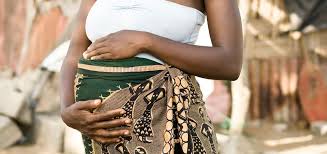
He also highlighted progress in protecting pregnant women, noting that IPTp3 coverage increased by 154 per cent, with more than 14,000 additional women receiving full protective treatment within one year.
“When IPTp3 more than doubles, it means the system is protecting both mothers and newborns,” he said.
He noted that the project has strengthened systems through digital reporting, data quality assessments across 48 facilities, routine monitoring, and the deployment of programme tracking and accountability tools.
“This is quality improvement and institutional strengthening, this is not just expansion.
Despite the progress, Salifu acknowledged challenges, noting that stock-outs of long-lasting insecticidal nets and paediatric antimalarial drugs still remain a huge problem.
“Any gap in the supply chain is a risk to a child’s life and must be addressed through coordinated action,” he said.
He used the occasion of World Malaria Day to call on communities, traditional and religious leaders, and other stakeholders to play a more active role in supporting access to healthcare.
“No one should die unnecessarily because of poor information. We cannot leave everything to the government alone. Communities must support efforts to ensure people can access quality health services when needed,” he added.
Salifu stressed that access gaps, especially for vulnerable groups such as pregnant women, remain a major concern in many communities.
“There are cases where pregnant women die simply because they cannot reach a health facility on time. Where ambulances are not available, communities must find alternative ways to support access to care,” he added.
He emphasised that malaria services are free and should be accessible to all without barriers.
“This is a service that is free of charge, and people must be able to access it without barriers,” he said.
Salifu further urged the government and the general public to intensify efforts toward malaria elimination.
Author









Leave a comment