













Roadblocks for tax collection across the states are now officially a thing of the past as the Federal Government has banned the practice.
This was announced at the launch of a new Presumptive Tax Framework (PTF) to bring small businesses and artisans into the formal tax net.
Speaking at the Ministry of Finance in Abuja, JRB Executive Secretary Olusegun Adesokan explained that the PTF is all about making tax simple for micro-enterprises.
Crucially, the new rules outlaw the use of roadblocks by officials, finally addressing years of complaints from frustrated drivers and business owners.
“It also bans the mounting of roadblocks for the collection of taxes,” he said.
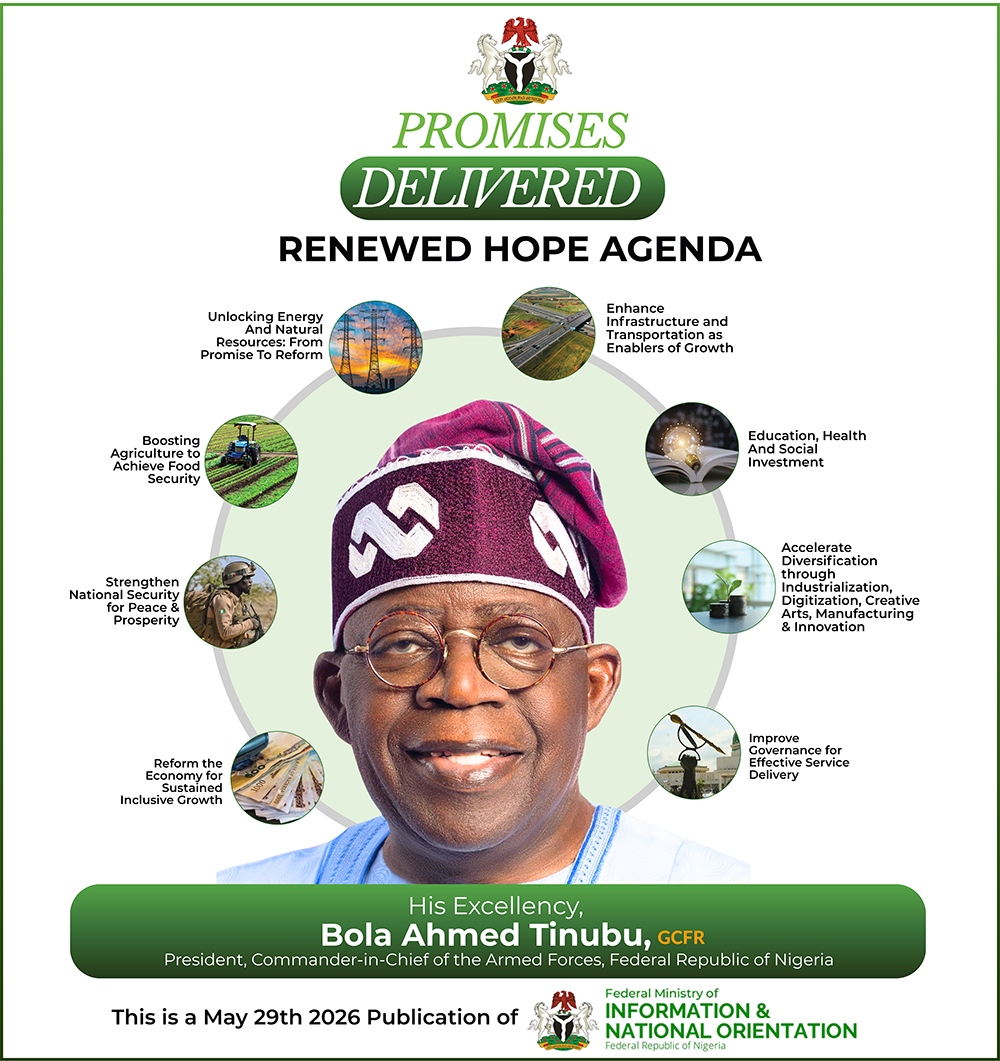
Finance Minister Wale Edun characterized the Presumptive Tax Framework (PTF) as a cornerstone of the Tinubu administration’s tax reform agenda.
The initiative aims to broaden the national tax base while simultaneously shielding small businesses from over-regulation.
Edun noted that the regime introduces a streamlined, equitable system, allowing informal sector participants to meet their tax obligations without the need for sophisticated accounting.
Instead of dense financial records, the system utilizes straightforward metrics like business category and turnover.
“The objective of presumptive taxation is not to overburden small businesses, but to provide a fair, simple and predictable framework for tax compliance,” Edun said.
He explained that the framework would help the government widen its tax base and strengthen non-oil revenue without increasing existing tax rates.
“Our fiscal strategy is anchored on expanding the tax base rather than increasing tax rates. Inclusion drives sustainability,” the minister said.
Edun explained that the framework is designed to reduce compliance costs and create a structured pathway for them to enter the formal economy.
“Micro and small businesses are the backbone of Nigeria’s economy. This framework reduces compliance costs and provides a structured pathway into the formal sector,” he said.
The minister also said that the regulations would provide clarity for tax authorities across the country and protect taxpayers from arbitrary assessments.
Telcos choked by 49 taxes, levies, others
”These regulations provide clarity to tax authorities and protect taxpayers from arbitrary assessments. The system will be transparent, rules-based and nationally consistent,” he said.
Edun added that strengthening government revenue through a broader tax base would allow the government to invest more in infrastructure, security and social programmes.
“A stronger, more diversified revenue base enhances the government’s capacity to fund infrastructure, social investment, security and economic growth,” he said.
The minister said the regulations were developed in collaboration with JRB to ensure coordination between federal and state tax administrations.
“The regulations are being issued in collaboration with the Joint Revenue Board to ensure alignment between federal and state tax administrations,” Edun said.
Earlier, Adesokan described the new framework as a major step in making the tax system fairer for ordinary Nigerians.
He said the reform demonstrates the commitment of the Tinubu administration to ensure that the tax system supports economic growth rather than placing pressure on struggling citizens.
“This revolution is another demonstration of President Bola Ahmed Tinubu’s commitment to taxing prosperity and not poverty,” he said.
According to him, businesses with an annual turnover of up to N50 million will be exempted from tax under the new arrangement.
“It ensures that our nano and small businesses with an annual turnover of 50 million naira are exempted from tax,” Adesokan said.
The goal of the exemption, according to Adesokan, is to give small-scale entrepreneurs “breathing room” to reinvest in their businesses.
Once a business grows beyond a certain level, it will pay a simplified tax based on its turnover.
To increase transparency, the new framework outlaws cash collections.
Tax authorities are now strictly prohibited from taking cash; instead, all payments must be made using digital technology to prevent leakages and modernize the system.
Author








Leave a comment