













By Omoyeni Ojeifo
For residents of Dogongada community in Abuja’s Lokogoma area, the crisis did not end when the rain stopped.
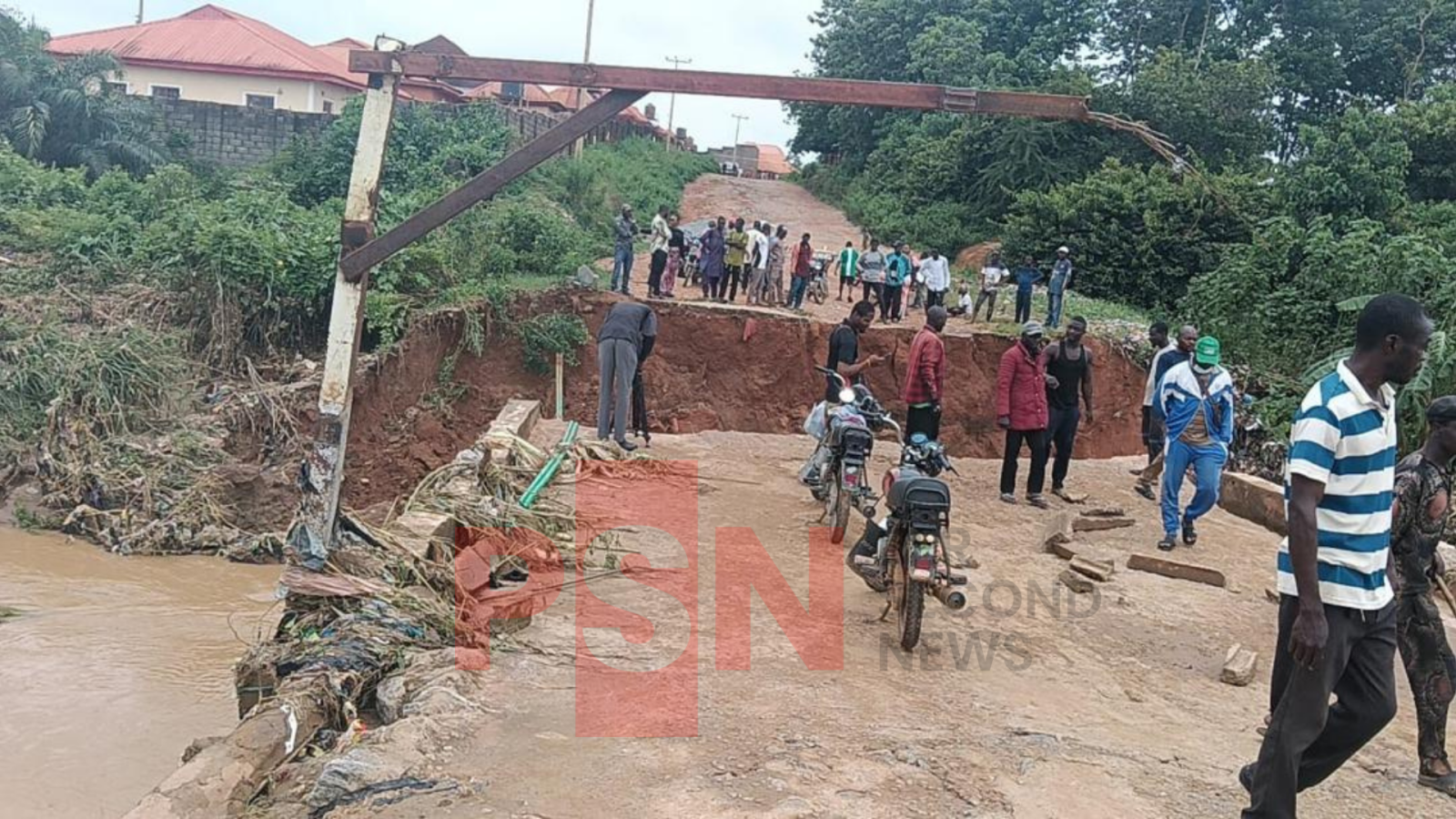
Heavy downpours on Saturday and Monday washed away part of the road and bridge linking sections of the community, cutting off vehicular access and leaving residents stranded on opposite sides of the damaged crossing.
When PersecondNews visited the community, residents had gathered around the collapsed section as muddy floodwater surged through the area. Motorcycles were being pushed across the damaged stretch, but cars could no longer reach homes on the other side.
Residents said the destruction had disrupted movement, access to their homes and the transportation of goods.
“When the rain started, we did not expect it to destroy the road like this. Before we knew what was happening, the water had washed away the bridge,” Gift Onyinyechi, a hairstylist, told PersecondNews on Tuesday.
“People who live on the other side cannot drive home. Some residents returning from work yesterday could not even reach their houses.”
Another resident, Mr Francis Nwife, said the community’s access road had steadily deteriorated despite repeated appeals to the authorities.
“I have lived here for many years, and nothing has changed. In fact, the situation keeps getting worse,” he said.
“We have repeatedly warned the government about this road, but nobody acted until it deteriorated to this point. This is our only access route. If you have a car, you must park here and continue on foot. What happens when someone needs emergency assistance or when it rains again?”
Residents said flooding had become an annual crisis in Dogongada, raising questions about why the authorities had failed to provide a lasting solution.
A resident claimed that officials of the Federal Capital Development Authority visited the area last week, but PersecondNews could not independently confirm the visit at the time of filing this report.
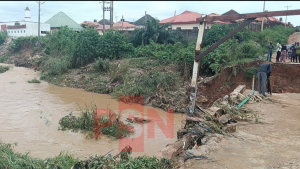
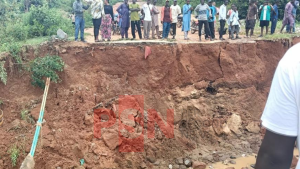
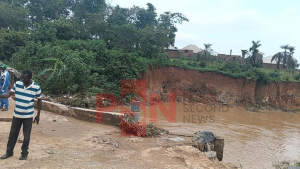
The affected area adjoins Efab Estate, where residents say they have repeatedly alerted the authorities to the persistent flooding.
The estate’s security manager, Mr Uche Fancy, described the situation as an annual ordeal.
“Every rainy season, we face the same problem. We call, appeal and draw attention to what is happening here. But once the rain stops, the issue disappears until the next rainy season,” he said.
“As facility managers, we are doing our best, but this situation requires government intervention.”
Fancy said residents were no longer interested in temporary repairs that would be washed away by the next heavy rainfall.
“What we need is a permanent solution. The government should assess the drainage system and water flow, then determine the type of bridge and infrastructure this area requires,” he said.
“We cannot continue repairing the same damage after every rainfall.”
Residents warned that merely rebuilding the collapsed bridge without addressing the underlying drainage problem would only postpone another disaster.
They called on the relevant authorities to conduct a comprehensive assessment of the drainage network around Dogongada and Efab Estate, examine how stormwater flows through the area and construct infrastructure capable of withstanding intense rainfall.
“We do not want the government to intervene only because the bridge has collapsed,” another resident said.
“We want them to address why this keeps happening. If they repair the road today and the next heavy rain destroys it again, we will be back where we started.”
An Efab Estate resident, Taiwo Bodejo, said the recurring flooding should not be accepted as normal.
“It is not normal for people to lose access to their homes whenever there is heavy rainfall,” Bodejo said. “There must be a permanent engineering solution.”
The washed out bridge has exposed more than the community’s failing infrastructure. It has also highlighted the consequences of allowing a predictable seasonal problem to become a recurring emergency.
For Dogongada residents, restoring access is urgent, but preventing the next collapse is the real test.
Author












Leave a comment