





By Omoyeni Ojeifo
The Nigerian Meteorological Agency (NiMet) has urged media professionals to prioritise accuracy, clarity and public interest in weather reporting and climate information to help communities make informed decisions and prepare for extreme weather events.
The agency also called for stronger collaboration between scientists and journalists to ensure forecasts and climate advisories are translated into practical information for farmers, policymakers, transport operators and other members of the public.
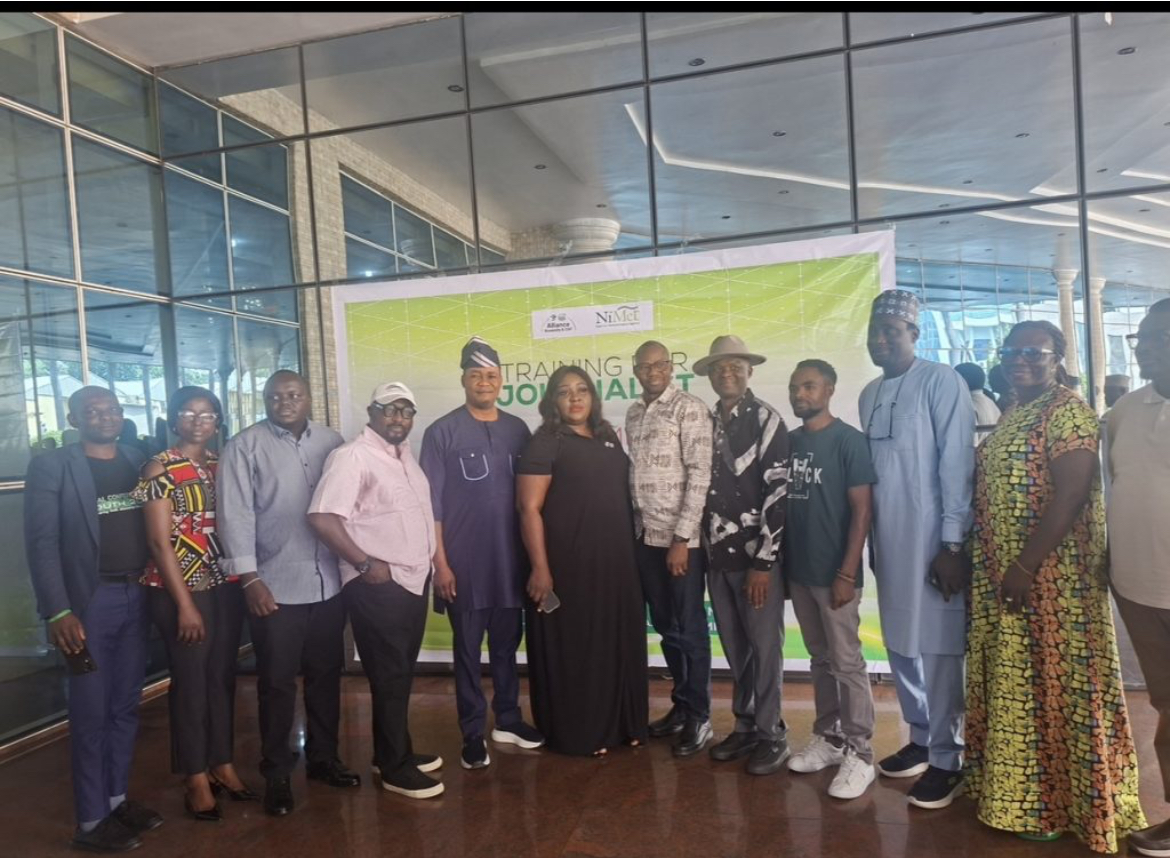
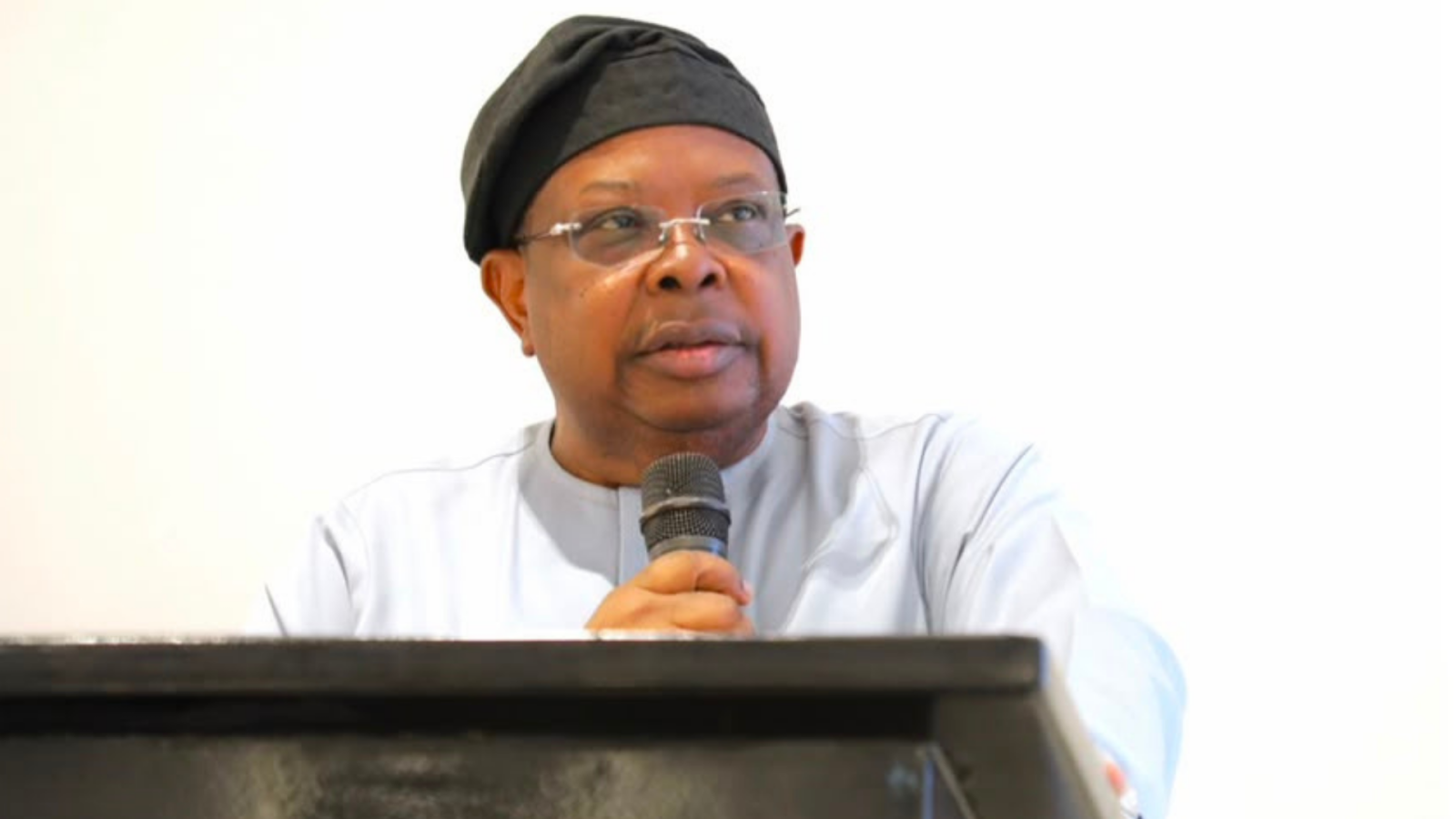
PerSecondNews correspondent at the training reports that the Director-General of NiMet, Prof. Charles Anosike, made the call in his welcome address at a capacity development workshop for media professionals organised by the agency and the Alliance of Bioversity International and CIAT under the Climate Science for Action Project on Friday.
Anosike, represented by the Director of Weather Forecasting Services, Prof. Vincent Weli, said the workshop was designed to strengthen the connection between scientific climate information and everyday decisions, particularly in communities vulnerable to severe weather conditions.
“Our purpose is to connect climate information with everyday decision, from when farmers plant and families prepare for severe weather to how transport operators plan journeys and public officials support preparedness,” he said.
The NiMet chief described journalists as important partners in translating scientific knowledge into information that the public can understand and use.
He maintained that climate reporting should go beyond attention-grabbing headlines to explain risks, possible responses and where people can obtain reliable advice.
“You are essential partners in turning scientific knowledge into action. Science must be accurate, communication clear, and both must serve the public.”
Anosike outlined five priorities for journalists, beginning with accuracy, urging them to verify the source, date, location and validity period of every forecast before publication.
He also advised media professionals to seek expert clarification where necessary and avoid sacrificing accuracy for sensational headlines.
“Verify each forecast’s source, issue date, location and validity period. Seek expert clarification when needed; never sacrifice accuracy for a striking headline,”he emphasized.
On accessibility, he urged journalists to use local languages, community radio and other formats capable of reaching people without reliable internet access.
He also called for reporting that reflects the needs of farmers, women, young people, persons with disabilities and other groups that are often overlooked in climate communication.
“Use local languages, community radio, and accessible formats to reach audiences beyond those connected to the internet,” he noted.
The agency further encouraged sustained engagement between media professionals and climate experts, urging journalists to seek clarification and raise concerns about unclear advisories before emergencies occur.
“Engage specialists before crises arise. Ask questions and flag unclear messages. Effective communication requires dialogue, not one-way transmission,” he stated.
Anosike urged facilitators to make the workshop practical and participatory through the examination of real weather advisories, discussion of reporting challenges and strategies for adapting scientific messages without compromising their accuracy.
He also encouraged participants to take the lessons into their newsrooms, share their knowledge with colleagues and make weather and climate reporting a consistent public service.
The event was attended by media professionals, representatives of NiMet and the Alliance of Bioversity International & CIAT, alongside other stakeholders in climate information and communication.
Author





Leave a comment