















As the world marks the 2026 World Day Against Trafficking in Persons on July 30, a Nigerian woman shared her harrowing story of being lured to Egypt with the promise of a domestic worker job, only to end up trapped in months of sexual exploitation, abuse, and trauma.
Her experience reflects this year’s theme, “Trapped Behind the Scam,” which draws attention to the growing use of fake job offers and deceptive recruitment to lure victims into exploitation, forced criminality and other forms of modern slavery.
According to the United Nations, victims are often deceived by fraudulent advertisements promising legitimate employment abroad before being transported across borders and trapped through violence, intimidation, surveillance and debt bondage.
The UN said some victims are forced into cyber-enabled fraud, including romance scams and cryptocurrency fraud, while others are trafficked for sexual exploitation or forced labour.
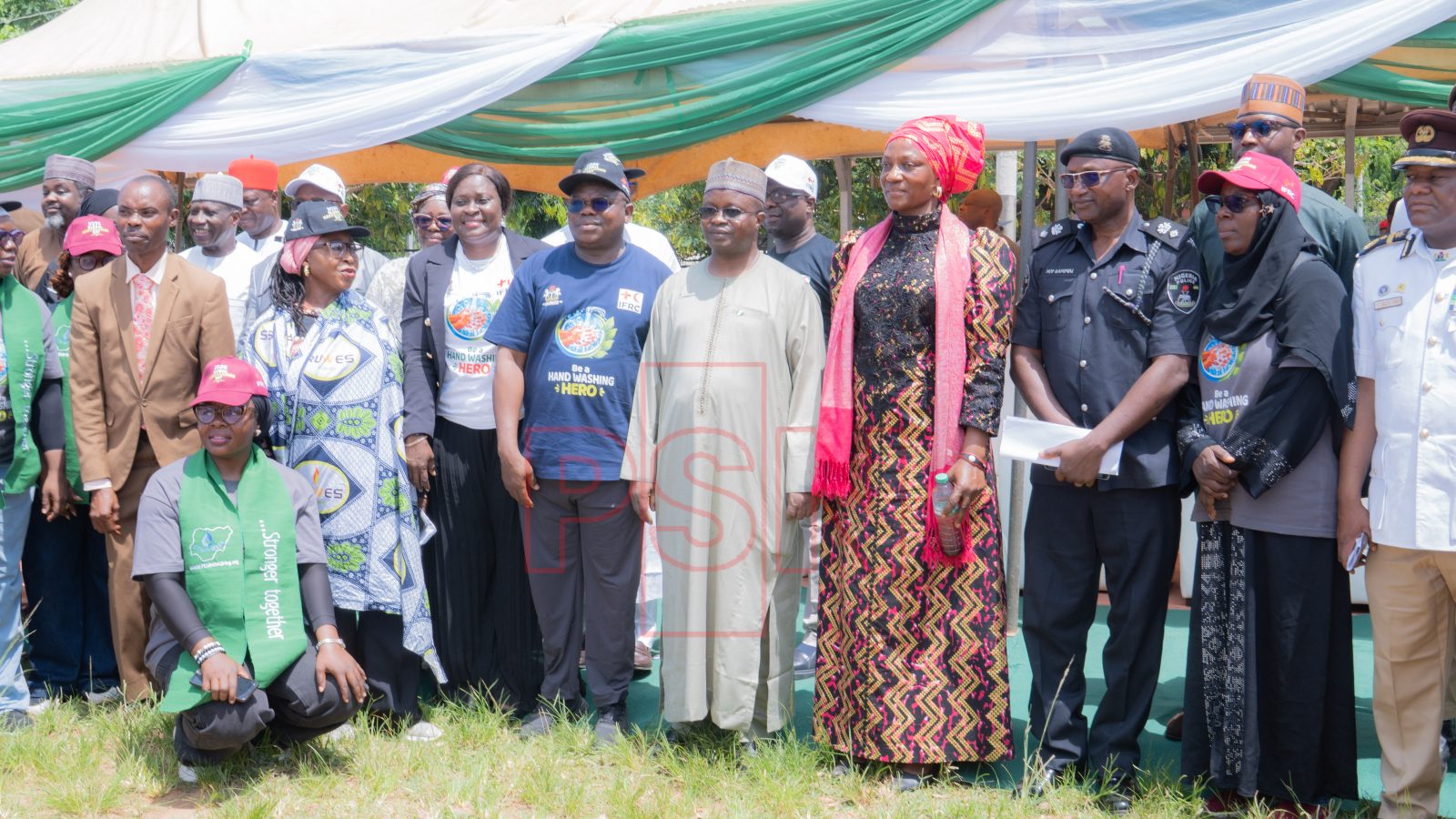
To commemorate the day, the National Agency for the Prohibition of Trafficking in Persons (NAPTIP), alongside the United Nations Office on Drugs and Crime (UNODC), the European Union and other partners, organised an awareness road walk in Abuja on Wednesday to sensitise Nigerians to the dangers of human trafficking.
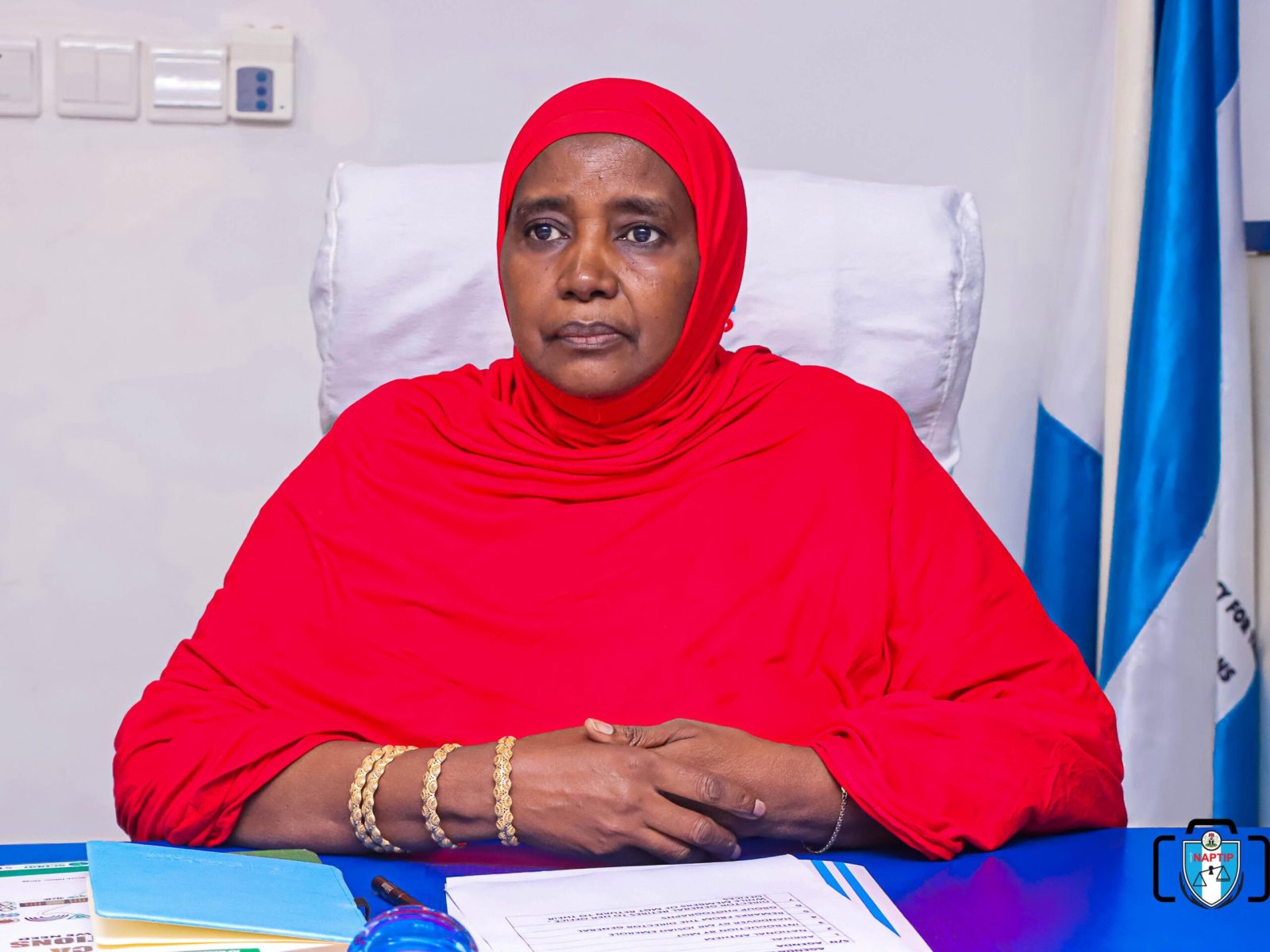
Speaking at the event, NAPTIP Director-General, Hajia Binta Adamu-Bello, reaffirmed the agency’s commitment to preventing human trafficking, protecting victims, prosecuting offenders and strengthening collaboration with law enforcement agencies, the judiciary, civil society organisations and international partners.
She said survivors remain at the heart of the agency’s work, assuring them of continued protection, rehabilitation, counselling and reintegration while those responsible for exploiting them are brought to justice.
“To survivors of human trafficking, let me say this, you are not forgotten. Your courage inspires us, and your recovery remains central to our mission.
“NAPTIP will continue to provide protection, rehabilitation, counselling and reintegration support while pursuing justice against those who exploited you,” she said.
Recalling her ordeal, Owoupele said she never imagined the job she accepted would lead to prostitution and constant abuse.
“I was deceived to go to Egypt to work as a maid. They told me I would move from there to a better country, but everything they promised was a lie,” she said.
She said the torture extended beyond physical pain and left deep emotional and mental scars.
“I suffered emotionally, physically and mentally. They beat me and maltreated me because they said I had to hustle to pay back the money they spent to take me there,” she said.
Owoupele said she only realised after arriving in Egypt that she had been trafficked for prostitution.
“I didn’t know I was being taken there for prostitution. Even when I was sick and couldn’t hustle, they still forced me to do the job,” she said.
She said she eventually returned to Nigeria with the help of a Good Samaritan, describing herself as fortunate to have escaped.
“There are many people still there like me. I was lucky to leave, but others may never be that lucky. People should be careful before accepting offers to travel abroad.”
Adamu-Bello urged parents, guardians, teachers, religious and community leaders, employers, transport operators, financial institutions and technology companies to remain vigilant against trafficking.
According to her, trafficking thrives where silence, ignorance and indifference prevail, but can be defeated when citizens are informed, alert and willing to report suspicious activities.
Also speaking, UNODC Programme Coordinator for Trafficking in Persons and Smuggling of Migrants, Mrs Aishat Braimah, said this year’s theme highlights how victims are deceived through false offers before being exploited by traffickers and organised criminal groups.
She said the campaign calls on governments, institutions and communities to recognise victims of forced criminality, ensure they receive protection instead of punishment and report suspicious activities through NAPTIP’s 627 toll-free hotline.
The European Union’s Programme Officer on Migration, Organised Crime and Drugs, Mr Ron Hendrix, warned that traffickers increasingly exploit social media and the internet to target unsuspecting victims.
He reaffirmed the European Union’s commitment to supporting Nigeria’s anti-trafficking efforts through the Support to Migration Governance in Nigeria Project, implemented by UNODC and the International Organization for Migration.
The World Day Against Trafficking in Persons is observed every year on July 30 following a resolution adopted by the United Nations General Assembly in 2013 to raise awareness about the plight of trafficking victims and promote the protection of their rights.
Author









Leave a comment