














Nigeria saw a marginal increase in crude oil output last month, reaching 1.459 million barrels per day (bpd).
While the uptick reinforced Nigeria’s position as Africa’s leading oil producer, the nation continues to struggle with production gaps, once again failing to meet its official OPEC quota.
This update comes from the Organization of Petroleum Exporting Countries’ most recent Monthly Oil Market Report (MOMR), which was made public late Wednesday, showing a small improvement from the prior month but highlighting ongoing difficulties in reaching the designated cap.
The modest gain points to a slow rebound in extraction volumes, amid lingering systemic and logistical hurdles within the nation’s petroleum industry.
Even as it holds onto its premier spot across the continent, Nigeria has now underperformed against its OPEC allowance for half a dozen straight months.
Output in January jumped from December 2025’s level of 1.422 million bpd to 1.459 million bpd, marking a rise of 37,000 bpd, based on figures shared directly between OPEC and Nigerian officials.
With a standing OPEC quota of 1.5 million bpd, the January figure was roughly 50,000 bpd shy of the goal, while alternative data from secondary sources pegged it a bit higher at 1.47 million bpd.
Libya followed closely as Africa’s runner-up producer, clocking in at 1.37 million bpd for the period.
Such discrepancies between direct reports and secondary assessments are typical in OPEC’s documentation, stemming from varied approaches to monitoring and data collection.
Over the last year, Nigeria has faced persistent obstacles in hitting its OPEC production benchmark, driven by a combination of safety issues and facility shortcomings.
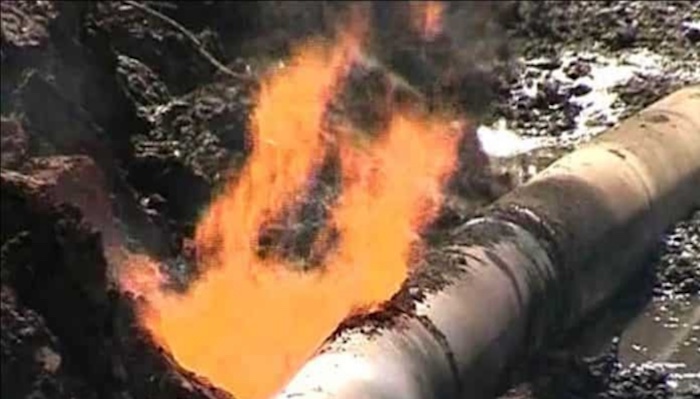
Factors like widespread oil pilfering, damage to pipelines, and prolonged lack of funding in exploration and development have hampered the sector’s potential.
This marks the sixth month in a row that Nigeria has dipped below its 1.5 million bpd threshold, with the most recent compliance occurring back in July 2025.
Ongoing incidents of theft and deliberate interference in the Niger Delta region continue to hamper steady production.
The shortfall in capital for upstream operations has further restricted the country’s capacity to ramp up yields efficiently.
Shifting to the wider picture, OPEC noted that crude output from nations under the Declaration of Cooperation (DoC) averaged 42.45 million bpd in January, per secondary sources, representing a drop of 439,000 bpd from the previous month.
This overall decrease in DoC production compared to December aligns with OPEC’s initiatives to steady the market.
Such adjustments are part of concerted actions by oil-exporting countries to manage supply in response to variable demand and global economic pressures.


















Leave a comment