








by Frank Tietie
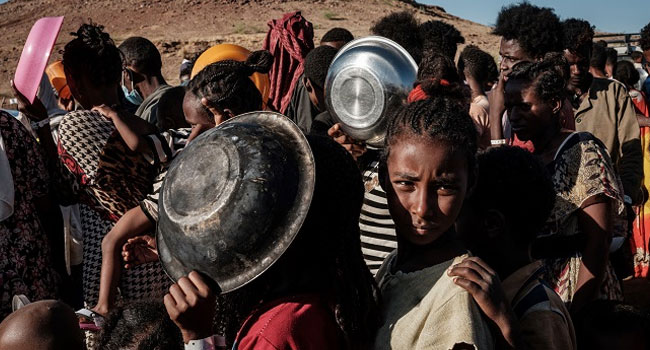
As the fevers of political permutations are rising among Nigerians over the coming 2023 elections, many forget that issues of national security are far beyond the present scourge of terrorism, banditry The United Nations and the Economist have predicted a food crisis in the developing world in 2022 and beyond, particularly in Africa, which would have severe consequences in terms of political and economic stability.
The ongoing mass protests in Sri Lanka which have sacked its government over lack of food should serve as a warning to Nigeria and other developing countries of Africa. The Covid-19 pandemic has exposed these countries, including Nigeria as having weak systems that are unable to absorb the slightest economic shocks on a global scale.
Pictures and videos of angry Sri Lankans in their thousands taking over the presidential palace in Colombo show how much rage can be generated by a widespread lack of food. And as one commentator noted that even Sri Lankans who were once divided by religion and political ideologies, were all united by hunger to chase away the president, Gotabaya Rajapaksa and his entire government.
This should therefore remind Nigerian politicians and bureaucrats that the widening ethnoreligious divides among Nigerians may not prevent a popular revolt against the government if such a revolt is driven by hunger.
With signs that some state governments will no longer be able to afford the payment of salaries in the coming months, urgent questions should now be raised about Nigeria’s national food security preparedness. The statistics of Nigeria’s strategic food reserves must be examined to know how much Nigeria can cope in the face of global disruptions to food imports.
The wave of politics in the current election cycle in Nigeria shouldn’t shy away from debates on national food security. Importantly, the presidential aspirants of the various political parties must be put to task for providing a realistic roadmap to ensure food sufficiency in Nigeria. Thus the kind of Peter Obi’s response to the alarming crisis of electric power shortage is also needed in food security before a crisis happens.
The present situation in Sri Lanka is most likely in Nigeria if urgent steps are not taken by the government to reverse Nigeria’s increasing dependency on the importation of food.
To this end, Food Avail Nigeria would be engaging with relevant stakeholders in food security to raise interests and responsibilities in ensuring that a food crisis in Nigeria does not result in incalculable and irreversible socioeconomic and political damage to Nigeria.
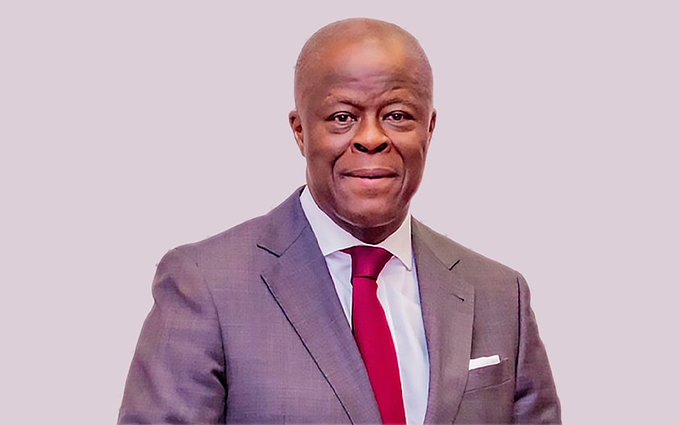
Frank Tietie is a Human Rights Lawyer, an Analyst with Arise News, Executive Director at CASER and Convener of Food Avail Nigeria
Author



Leave a comment