








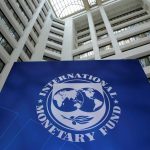
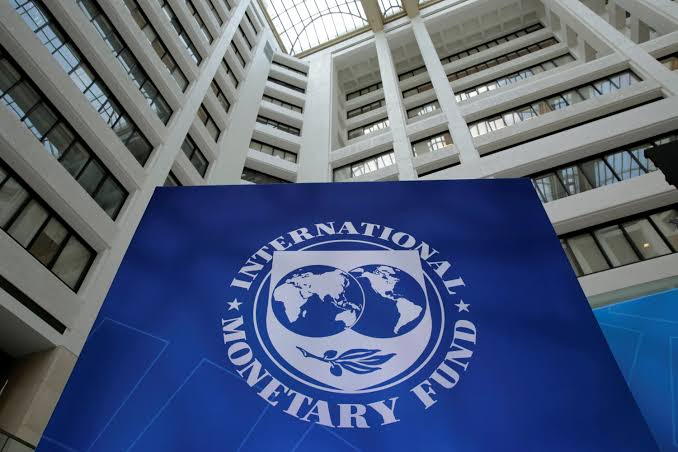
In spite of pressure from the World Bank and International Monetary Fund (IMF), the Central Bank of Nigeria (CBN) has ruled out freely floating of the exchange rate
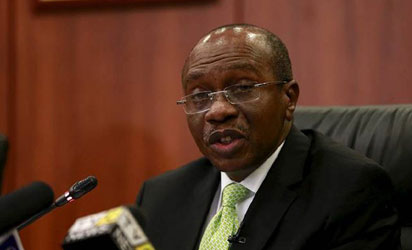
Apex Bank Governor, Mr Godwin Emefiele, said freely floating the exchange rate will lead to some uncontrollable spiral effect on Nigeria’s exchange rate.
He disclosed this during a chat with journalists on the sidelines of the IMF/World Bank Spring meetings in Washington DC, USA.
Emefiele was responding to a call by the President of the World Bank Group, David Malpass, for Nigeria to do away with its multiple exchange rate systems and rather maintain a single exchange rate system.
He said the CBN will continue to make IMF and World Bank understand the peculiar situations that Nigeria faces and how to tackle them for the progress of the economy.
The governor further defended the apex bank’s managed-float exchange rate system, stressing that it was adopted to address the peculiar challenges the country faces.
“Both the IMF and World Bank are our prime development banks, and we have received support from them at different times in resolving some of our economic challenges, particularly bothering on finance.
“Nigeria’s situation is very peculiar and that is why we have continued to engage the IMF and World Bank to show understanding of our local problems. And they are indeed showing understanding.
“Yes they want us to freely float the exchange rate and you do know that this will have some impact on the exchange rate itself in the sense that when you allow that to happen, you will have some uncontrollable spiral in the country’s exchange rate,” Persecondnews quotes the governor as saying.
Emefiele pointed out that what the CBN had been doing was to ensure that even as they run the managed float, there should be some interventions put in place to really control the exchange rate.
He further noted that as long as the demand for forex exceeds the supply, the challenge would persist.
“We are doing everything possible to restructure the base of the economy through some of the policies that we have put in place to deepen the production of goods in Nigeria.”
Author






Leave a comment