















By Samuel Akpan
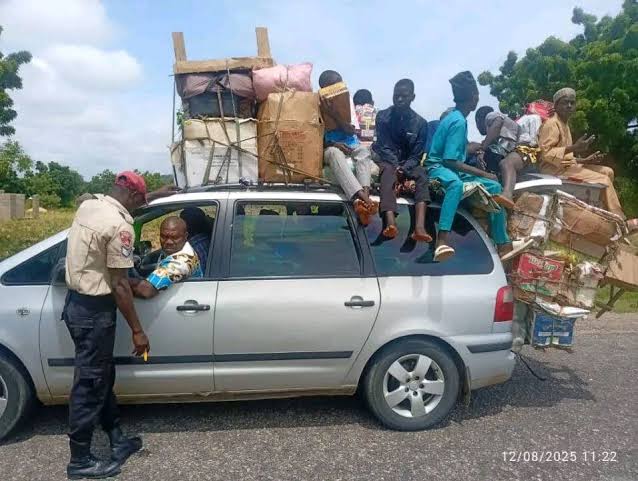
Commuters in Abuja are at heightened risk of Ebola exposure as public transport drivers continue to overload buses and taxis beyond safe capacities.
The threat comes amid reports of a diplomat critically ill at an Abuja hospital with the Bundibugyo strain, whose condition has deteriorated into multi-organ failure.
Officials confirmed the Abuja case on Tuesday after a woman who arrived on an international flight from Uganda spent several days at a private FCT hospital, her name and nationality undisclosed, as three molecular tests identified the Bundibugyo strain also driving the Democratic Republic of Congo outbreak.
“The patient’s condition has deteriorated after three levels of molecular tests confirmed the Bundibugyo strain,” Olajumoke Babatunde, Director of Public Health Laboratory Service at the NCDC, said at an emergency meeting in Abuja on Wednesday.
Despite health guidelines, Abuja commercial drivers have failed to implement Ebola protocols, with taxis and large buses remaining heavily overloaded.
PerSecondNews checks across the FCT on Thursday confirmed the trend, highlighting growing risk even though the virus requires direct contact with infected fluids to spread.
According to commercial drivers who spoke with PerSecondNews, the practice of overloading vehicles is driven by necessity.

They argued that carrying excess passengers is the only viable way to recover their high fuel expenses.
“I heard about the outbreak in the news, but we drivers mainly aim to recover our fuel money,” said Mr Micheal Alkali who shuttles between Mpape and Utako where petrol ranges from ₦1,358 to ₦1,420 per litre.
“The Federal Capital Territory lacks a proper transportation structure, making it nearly impossible to regulate drivers who squeeze two passengers in the front, four in the back, and sometimes three in the trunk of a Golf 3,” said Abdullahi Musa, a driver operating in Banex.
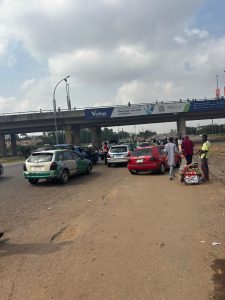
He added that CNG buses are equally overcrowded with standing commuters during peak hours, warning that a major disease outbreak under these conditions would prove catastrophic.
Another driver Samuel Bassey said: “We are yet to receive any order or instruction from our union on the Ebola protocol so we are still waiting.”
As federal and state authorities step up contact tracing, emergency response, and health surveillance, officials emphasize how the rare virus spreads.
First identified during a 2007 outbreak in Uganda, the Bundibugyo strain transmits strictly through direct contact with infected blood, bodily fluids, or contaminated materials—not through casual contact or asymptomatic individuals.
Author








Leave a comment