














By Omoyeni Ojeifo
The Federal Government has warned that access to loans alone cannot guarantee the growth of micro, small and medium enterprises (MSMEs), stressing the need for financing to translate into sustainable businesses, job creation and increased productivity.
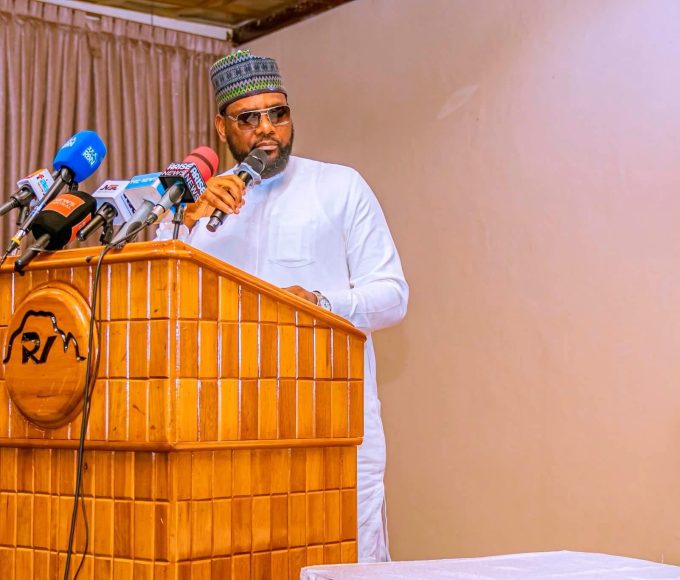
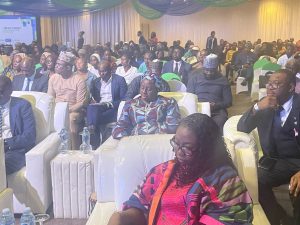
Representing the Secretary to the Government of the Federation, Sen. George Akume, at the Development Bank of Nigeria’s, (DBN), 7th annual lecture in Abuja on Wednesday, Mrs. Augusta Warrens, Permanent Secretary, Political and Economic Affairs Office, said the Federal Government must ensure that economic reforms translate into tangible growth for MSMEs.
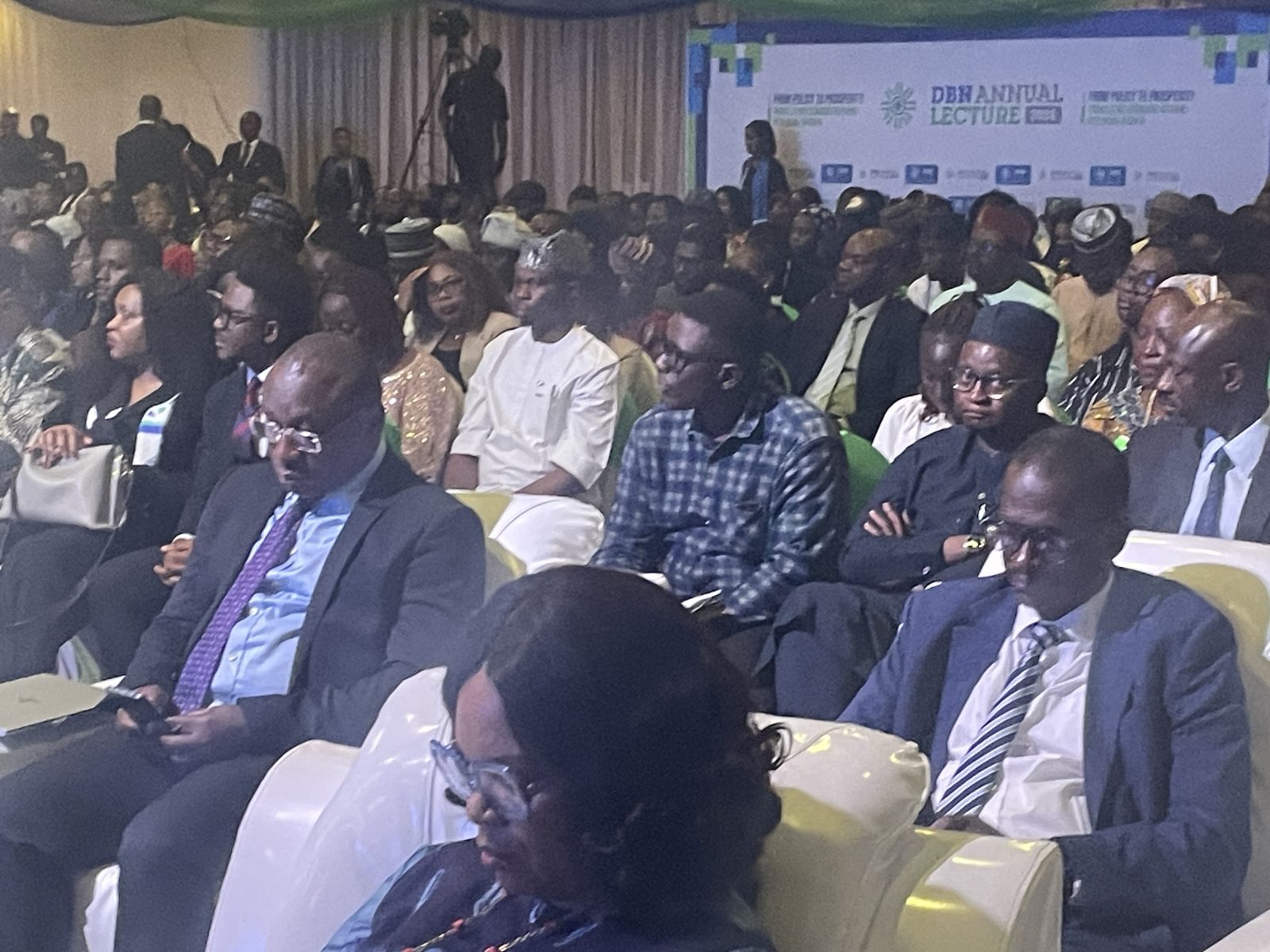
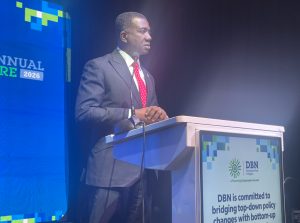
PerSecondNews correspondent reports that the lecture was themed “From Policy to Prosperity: Translating Economic Reforms into MSME Growth.”
According to him, MSMEs needed affordable financing, reliable electricity, market access and technical skills to turn loans into viable businesses, adding that expensive credit without opportunities to sell could become a burden.
“Access to finance is important, but we must ask whether businesses can repay the loans from the income they generate. Without markets and affordable borrowing, financing may become a burden rather than an opportunity,” he said.
The SGF maintained that government interventions should be measured by improvements in business productivity, sustainability, job creation and income rather than the number of loans disbursed or beneficiaries reached.
“What matters is whether the financing has helped businesses become more productive and sustainable, create jobs, expand their operations and generate income to support their long-term growth.”
He also highlighted the need to strengthen women-owned businesses through skills development and practical support.
“Providing equipment or grants without addressing wider business challenges might not deliver sustainable growth,” he warned.
Earlier in his welcome address, the Managing Director of the Development Bank of Nigeria, Dr. Tony Okpanachi, disclosed that the bank had disbursed ₦1.4 trillion to MSMEs through 84 participating financial institutions as of December 2025, while outlining plans to deepen support for underserved businesses.
“Under our new five-year strategy, DBN is targeting more than two million MSMEs, with deliberate targets for women-led businesses, youth-led businesses and other underserved segments that need stronger access to finance and business support,” Okpanachi said.
He announced the launch of DBN Action for Women in Nigeria (DAWN), an initiative designed to address barriers facing women-led businesses through financing, credit guarantees, technical assistance, targeted grants and market access.
“Access to finance is important, but finance alone has not enabled women-led businesses to scale. DAWN brings financing, guarantees, technical assistance, targeted grants and market access together to support women entrepreneurs,” he said.
Okpanachi emphasized that the initiative would connect women entrepreneurs with financial institutions, business support services and market opportunities across agriculture, exports, healthcare, the creative industry, technology and green businesses.
Also speaking, the Chief Executive Officer of MTN Nigeria, Dr. Karl Olutokun Toriola, stated that MSMEs accounted for about half of Nigeria’s gross domestic product and employed between 70 and 85 per cent of the workforce, citing figures from the 2021 National Bureau of Statistics survey.
“According to the 2021 National Bureau of Statistics survey, Nigeria had about 40 million MSMEs contributing roughly half of GDP and employing between 70 and 85 per cent of the workforce,” Toriola said.
According to him, traditional lending requirements had excluded many informal traders and small businesses, urging the development of digital identification systems and alternative credit assessment models that would enable lenders to evaluate businesses without relying solely on conventional collateral and audited financial statements.
“We must connect national identification numbers, bank verification numbers and business registration records, while using transaction histories and other alternative data to assess businesses that traditional lending systems have left behind,” he said.
PerSecondNews also reports that the event brought together thought leaders, industry experts and distinguished guests to discuss how Nigeria’s economic reforms could translate into tangible opportunities for micro, small and medium enterprises.
Author










Leave a comment