












By Maryanne Awuya
With Ebola cases reported in Nigeria and Kenya as the outbreak in the Democratic Republic of Congo (DRC) continues to spread, Nigerians have been urged to stay alert, recognise warning signs and follow public health guidance to prevent further transmission.
PerSecondNews reported that Nigeria confirmed a case in the Federal Capital Territory (FCT), Abuja, on Tuesday, October 20, involving a woman who recently arrived on an international flight from Uganda.
Health authorities have identified 44 close contacts and commenced contact tracing.
The development comes as Kenya’s cases have risen to nine, while the outbreak in the DRC has spread to eight provinces, raising concerns about further transmission across the region.
Although the situation requires vigilance, health experts say understanding how Ebola spreads and responding promptly to symptoms are important steps in limiting infections.
Here are seven things Nigerians should know as authorities work to contain the disease.
1. Know the symptoms
Ebola symptoms can begin suddenly and include fever, severe weakness, fatigue, headache, muscle pain and sore throat. Vomiting, diarrhoea and abdominal pain may follow.
These symptoms can resemble malaria and other common illnesses, so symptoms alone cannot confirm Ebola. Anyone who develops symptoms after possible exposure should contact public health authorities for guidance and disclose their travel or contact history.
2. Understand how Ebola spreads
Ebola spreads through direct contact with the blood or other body fluids of an infected person who has developed symptoms, or through objects contaminated with those fluids.
People do not transmit Ebola before symptoms begin. The incubation period ranges from two to 21 days, meaning symptoms may take time to appear after exposure.
3. Avoid contact with suspected cases
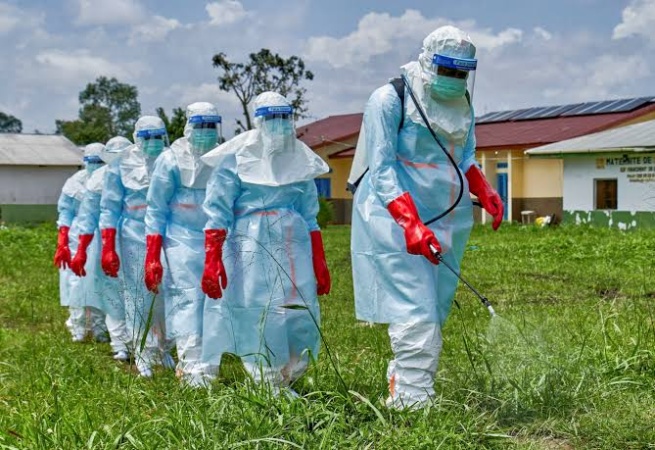
Do not touch the blood, vomit, stool or other body fluids of anyone suspected of having Ebola. Avoid handling contaminated clothing, bedding or other materials without appropriate protective equipment.
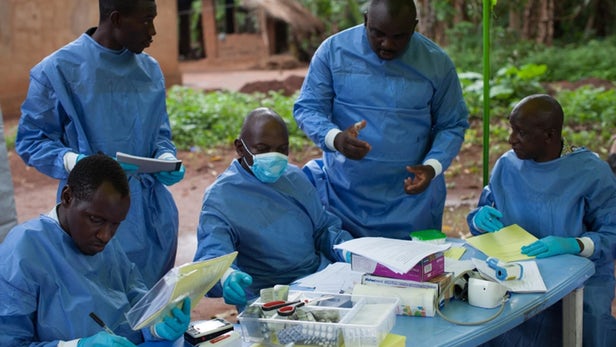
Anyone caring for a sick person should follow instructions from trained health workers rather than attempting to manage a suspected Ebola case at home.
4. Practise good hygiene
Wash your hands regularly with soap and running water, particularly after using the toilet and before eating. Follow public health guidance on hand hygiene and infection prevention, especially in healthcare settings.
Avoid touching potentially contaminated materials, and do not handle the bodies of people who may have died from Ebola. Safe and dignified burial procedures help prevent further transmission.
5. Take symptoms and possible exposure seriously
If you develop symptoms after contact with a suspected or confirmed case, do not travel around seeking treatment without first contacting public health authorities.
Call for guidance, explain your symptoms and possible exposure, and follow instructions on where and how to receive medical assessment safely. Early identification and isolation help protect other people.
6. Cooperate with contact tracing
Anyone contacted by public health officials because of possible exposure should provide accurate information and follow instructions on monitoring and testing.
Contact tracing helps authorities identify people who may have been exposed, monitor their health and quickly detect further infections. It played a major role in Nigeria’s successful response to the 2014 Ebola outbreak.
7. Rely on verified information, not rumours
Nigerians should follow updates and instructions from the Nigeria Centre for Disease Control and Prevention (NCDC), the Federal Ministry of Health and Social Welfare, and other recognised public health authorities.
Avoid spreading unverified claims about suspected cases, locations or the disease. Anyone who believes they may have been exposed should seek official guidance rather than relying on social media advice.
Nigeria’s experience in 2014
Nigeria has faced Ebola before. In July 2014, an infected traveller from Liberia introduced the virus into Lagos, triggering an emergency public health response.
Through rapid case identification, isolation, contact tracing and public awareness campaigns, Nigeria limited the outbreak to 19 cases, including seven deaths. The World Health Organisation declared Nigeria free of Ebola transmission on October 20, 2014.
That experience demonstrated the importance of coordinated action, reliable information and public cooperation.
With a case now confirmed in Abuja, Nigerians have an important role to play by following preventive guidance, reporting possible exposure promptly and cooperating with health officials as investigations continue.
Author






Leave a comment