














By Omoyeni Ojeifo
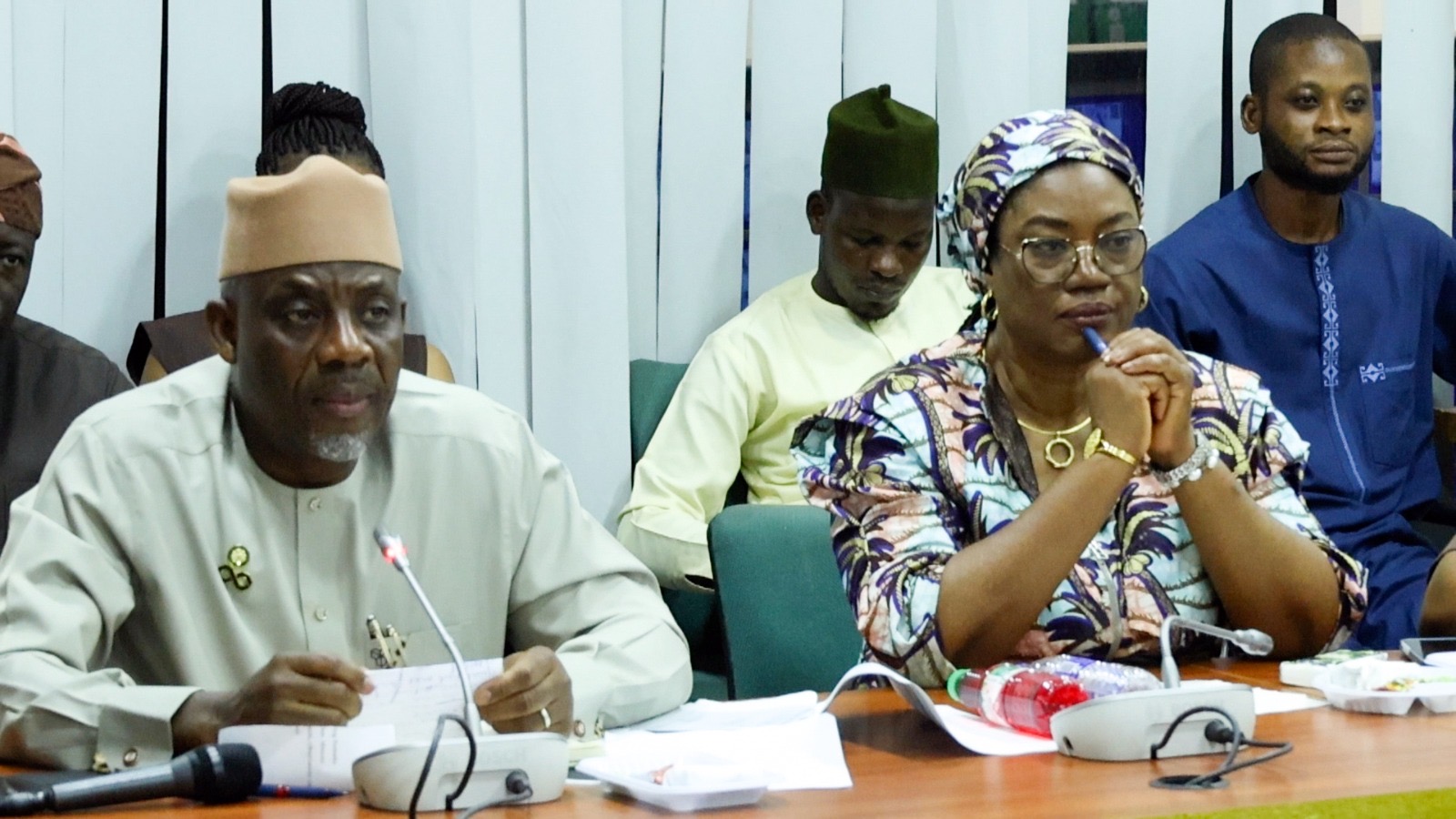
The House of Representatives Committee on Federal Polytechnics and Higher Technical Education and Education Minister Tunji Alausa have agreed to strengthen collaboration and work in synergy to improve the implementation of the Federal Government’s TVET programme.
The agreement followed the ministry’s failure to respond to six letters from the committee seeking information on the programme between January 2025 and July 2026.
Alausa apologised for the lapse, explaining that he had not personally received the correspondence because the officer responsible for handling National Assembly matters had been transferred.
According to him, he had directed ministry officials to investigate the circumstances surrounding the communication breakdown and assured the lawmakers of improved cooperation.
The committee, chaired by Fuad Kayode Laguda, the member representing Surulere I Federal Constituency, Lagos State, had previously summoned the minister and issued a final summons in August over the ministry’s failure to provide the requested information.
The lawmakers had directed the ministry to submit relevant implementation documents by August 18 and given Alausa another opportunity to appear before them on September 17.
Following Tuesday’s engagement, Laguda described the meeting as productive and said the committee was satisfied with the explanations provided.
The minister briefed the lawmakers on enrolment, funding, training centres, priority trades, technical education reforms and measures to connect beneficiaries with employment and business opportunities.
Alausa disclosed that more than 250,000 Nigerians were undergoing skills training at approximately 1,200 accredited centres nationwide under the TVET programme.
He told lawmakers that the second enrolment exercise attracted nearly 1.4 million applications within two weeks, compared with about 1.3 million applications received during the first exercise in 10 days.
The minister said the government had limited admissions because applications exceeded available funding and the capacity of participating training centres.
He explained that the number of trades covered by the programme had been reduced from nearly 60 to about 22 priority areas.


“The selected trades include solar photovoltaic installation, electrical installation, plumbing and fashion design, among other vocational skills,” he said.
Under the funding arrangement, each trainee receives a monthly stipend of ₦30,000, while participating training centres receive ₦50,000 per student monthly.
“The payments to centres are intended to support practical instruction, enable them to engage qualified instructors, acquire modern equipment and upgrade facilities,” he noted.
Alausa explained that biometric verification initially delayed some payments, but the ministry reported that outstanding payments had been brought up to date as of September.
On digital skills, the minister noted that 36,000 Nigerians were enrolled in the Digital Technology Academy, which offers training in areas including artificial intelligence and cybersecurity.
He also highlighted the provision of starter packs and equipment to support trainees in applying their acquired skills after completing their training.
“The Federal Government is providing free technical education at federal technical colleges and one designated state technical college in each state, with tuition and other school fees covered,” he added.
In Bauchi State, 4,888 trainees were enrolled across 50 centres, including 520 in Katagum, while Akwa Ibom recorded 5,885 trainees across 57 centres.
Kogi State had 5,144 trainees in 42 centres, while Katsina State recorded approximately 1,800 trainees across eight newly established technical training centres.
The ministry said it was working with the Singapore Institute of Technical Education to strengthen instructor capacity through a train-the-trainer arrangement.
It also highlighted the role of the National Board for Technical Education in accrediting training centres to support quality and standards across the programme.
Alausa reported that the ministry had developed a TVET job portal where trainees could upload their résumés and connect with employers seeking workers with relevant technical skills.
“The government is also collaborating with the Bank of Industry to support beneficiaries interested in establishing businesses and becoming micro-entrepreneurs,” he stated.
The minister further outlined efforts to upgrade technical education infrastructure, improve training facilities and strengthen instructors’ capacity to deliver practical, industry-relevant skills.
The committee’s engagement with the ministry is expected to support closer cooperation and enable lawmakers to obtain information required to monitor the programme’s implementation.
Author









Leave a comment