













By Maryanne Awuya
Nigeria has confirmed an Ebola case in Abuja, triggering an urgent public health response as authorities trace 44 close contacts to prevent further transmission.
The Minister of Health and Social Welfare, Prof. Muhammad Ali Pate, announced the infection, confirmed through laboratory testing, in a statement on Tuesday, October 20.
According to the statement, the patient is a woman who recently arrived from Uganda on an international flight. She received treatment for several days at a private hospital in the Federal Capital Territory before the infection was confirmed.
She is now in isolation and receiving medical care.
The Federal Ministry of Health and Social Welfare, the Nigeria Centre for Disease Control and Prevention, and the FCT Health Services Secretariat are coordinating containment efforts.
Public health teams have identified 44 close contacts and are investigating possible additional exposure involving healthcare workers, patients, caregivers and travel contacts.
Authorities have also intensified surveillance and are supporting the private hospital to strengthen infection prevention and control.
Pate urged Nigerians to remain calm, stressing that public cooperation would be critical to containing the infection.
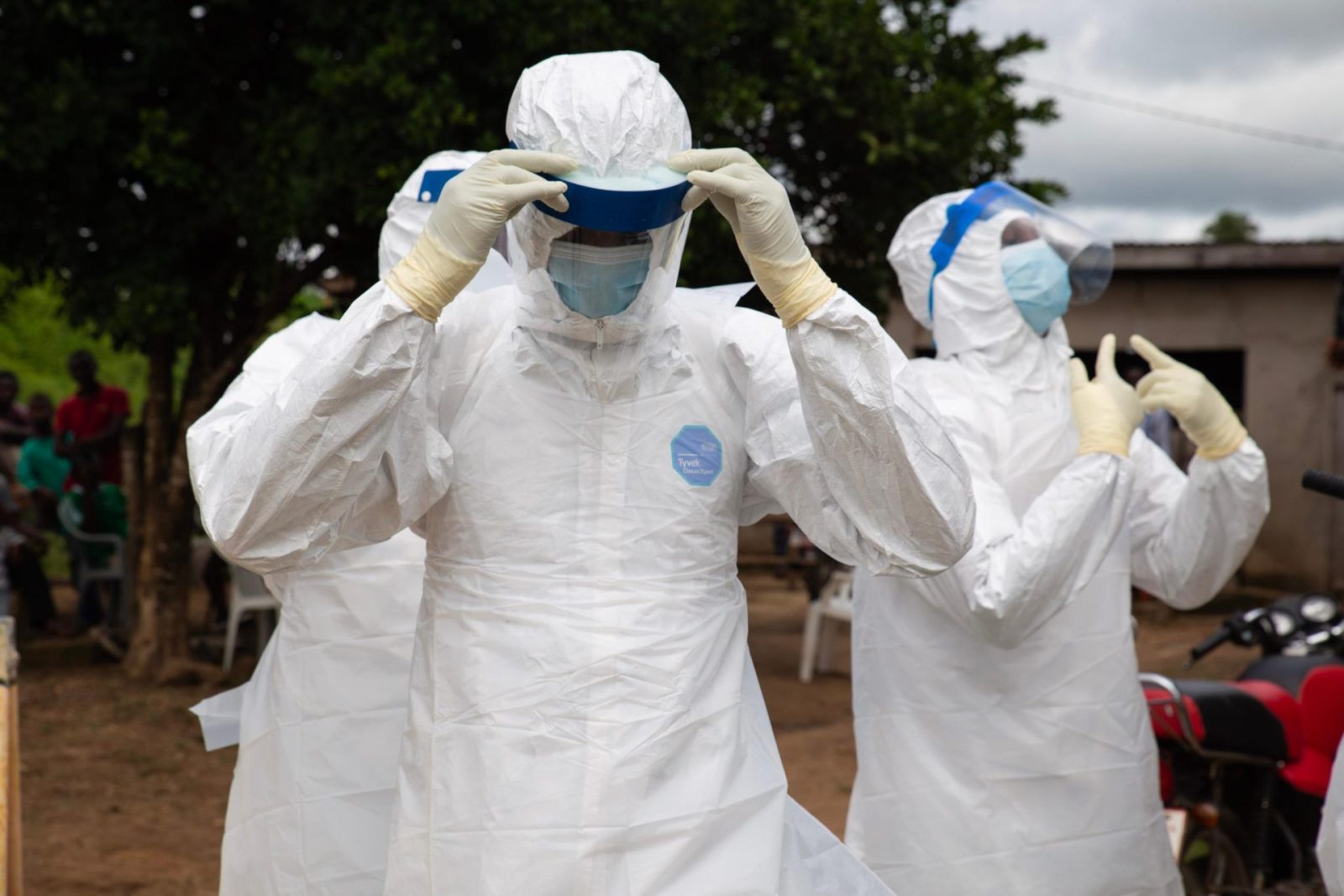
Healthcare facilities nationwide have been directed to promptly identify, isolate and report suspected cases while enforcing strict infection prevention measures.
The minister advised residents to wash their hands regularly and avoid contact with the blood or other body fluids of anyone suspected of having Ebola.
Symptoms include fever, severe weakness, headache, vomiting and diarrhoea. Anyone experiencing symptoms following possible exposure should avoid close contact with others and seek guidance from public health authorities before visiting a healthcare facility.
People contacted by tracing teams, including potentially exposed airline passengers, have been urged to cooperate and follow official instructions.
Ebola spreads through direct contact with infected blood or other body fluids, as well as contaminated materials. People do not transmit the virus before symptoms develop, and symptoms can appear between two and 21 days after infection.
Nigeria contained its 2014 Ebola outbreak through rapid detection, isolation, contact tracing and coordinated public health action.
Pate said the country would draw on that experience and its public health systems as authorities continue investigations and provide updates.
For information or to report a suspected case, members of the public can contact the NCDC on its free telephone line, 6232.
PerSecondNews recalls that Kenya confirmed its first Ebola case on October 6, prompting the Nigeria Centre for Disease Control and Prevention (NCDC) to heighten preparedness for the possible importation of the Bundibugyo strain into Nigeria
Author




Leave a comment