







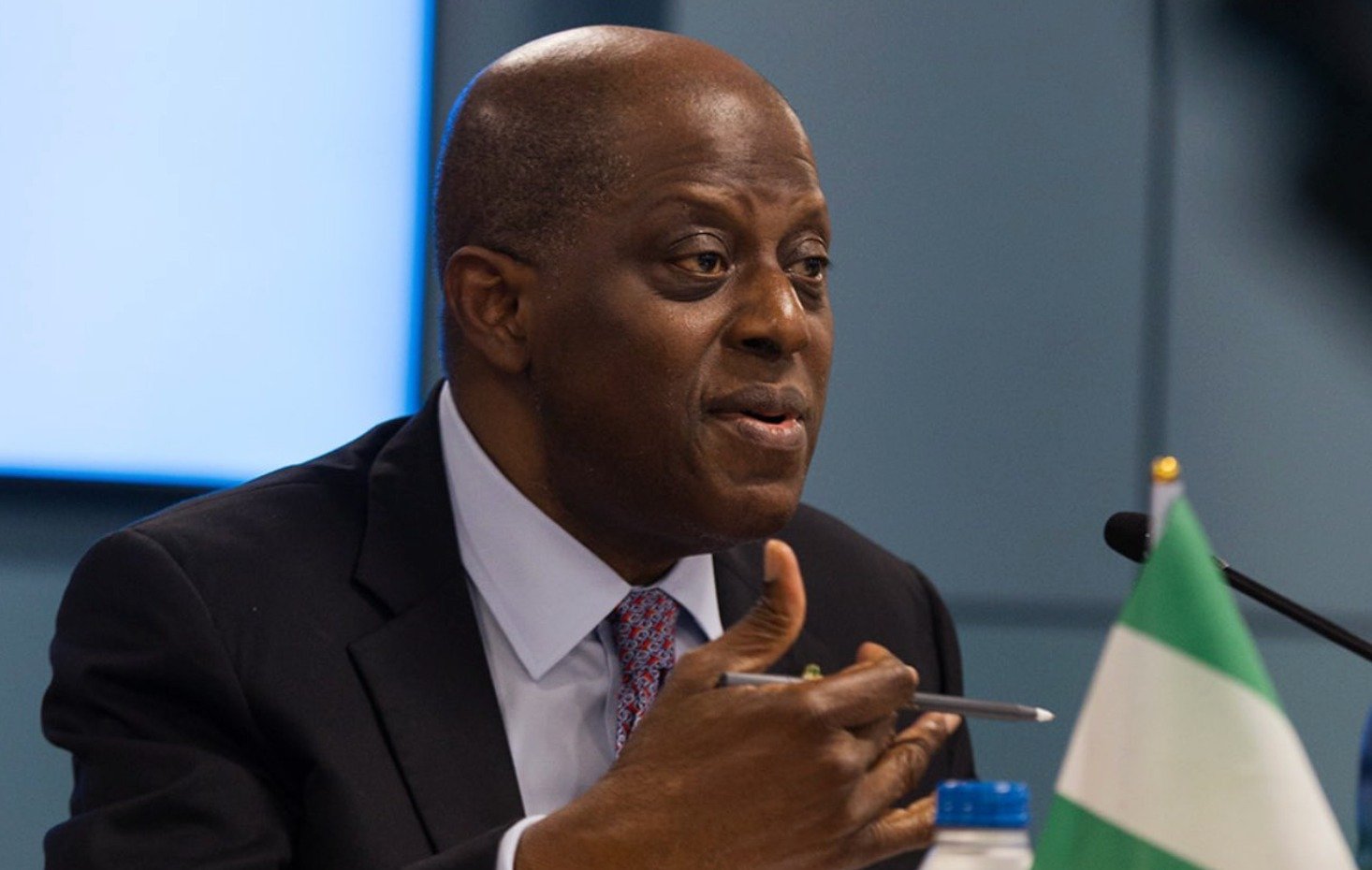




Nigerians will soon feel better economic numbers in their pockets, CBN Governor Olayemi Cardoso has assured.
He gave the assurance on Tuesday at the Chartered Institute of Bankers of Nigeria’s 19th Annual Banking and Finance Conference in Abuja.
Represented by Economic Policy Deputy Governor Philip Ikeazor, he said: “I can assure you, all watchers of the economy have acknowledged the macroeconomic stability we have today.”
“But the question that remains on everyone’s mind is, when will the common man feel the full benefits? That is on its way because of this same collaboration that I’m talking about.”
He added those fiscal reforms “will begin to manifest very soon,” saying the National Single Window and other moves, “coupled with the macroeconomic reforms, is what will actually deliver those to the common man.”
Ikeazor said unprecedented coordination between monetary and fiscal authorities had lifted the indicators. President Bola Tinubu, he added, let the CBN focus on its mandate with other stakeholders.
The pledge came as households and firms still face high living costs, dearer finance and the accumulated shock of reforms rolled out since 2023.
Tinubu, represented by Finance Minister Taiwo Oyedele, said: “Stability has returned. Credibility is rising. Prosperity is coming.”
He warned: “These improvements matter, but we must not mistake macroeconomic stability for economic prosperity. Stability is the foundation. Prosperity is the destination.”
The next phase, he said, would turn stability into investment, production, jobs and better living standards, with banks expected to finance the real economy.
CIBN President and Council Chairman Dr Dele Alabi said: “While significant milestones have been achieved in the country at the macro level, we have not yet reached our final destination.”
“It is imperative for the gains made in terms of macroeconomic fundamentals to be cascaded to the micro level — the households, the individuals and businesses.”
He said stability must move from national balance sheets onto business books and household budgets, as millions of MSMEs still battle high costs, weak infrastructure and scarce credit.
World Bank Country Director Mathew Verghis, represented by Senior Private Sector Specialist Bertine Kamphuis, said the reform gains were real, but job creation is the next test.
The bank noted domestic credit to Nigeria’s private sector is about 13 per cent of GDP, while MSMEs get only about one per cent of credit despite driving jobs.
Author













Leave a comment