















By Omoyeni Ojeifo
Governments across Africa have been urged to avoid broad restrictions on non-profit organisations in the fight against terror financing, with a United Nations expert warning that excessive regulations could affect legitimate humanitarian operations and limit the ability of civil society groups to support vulnerable communities.
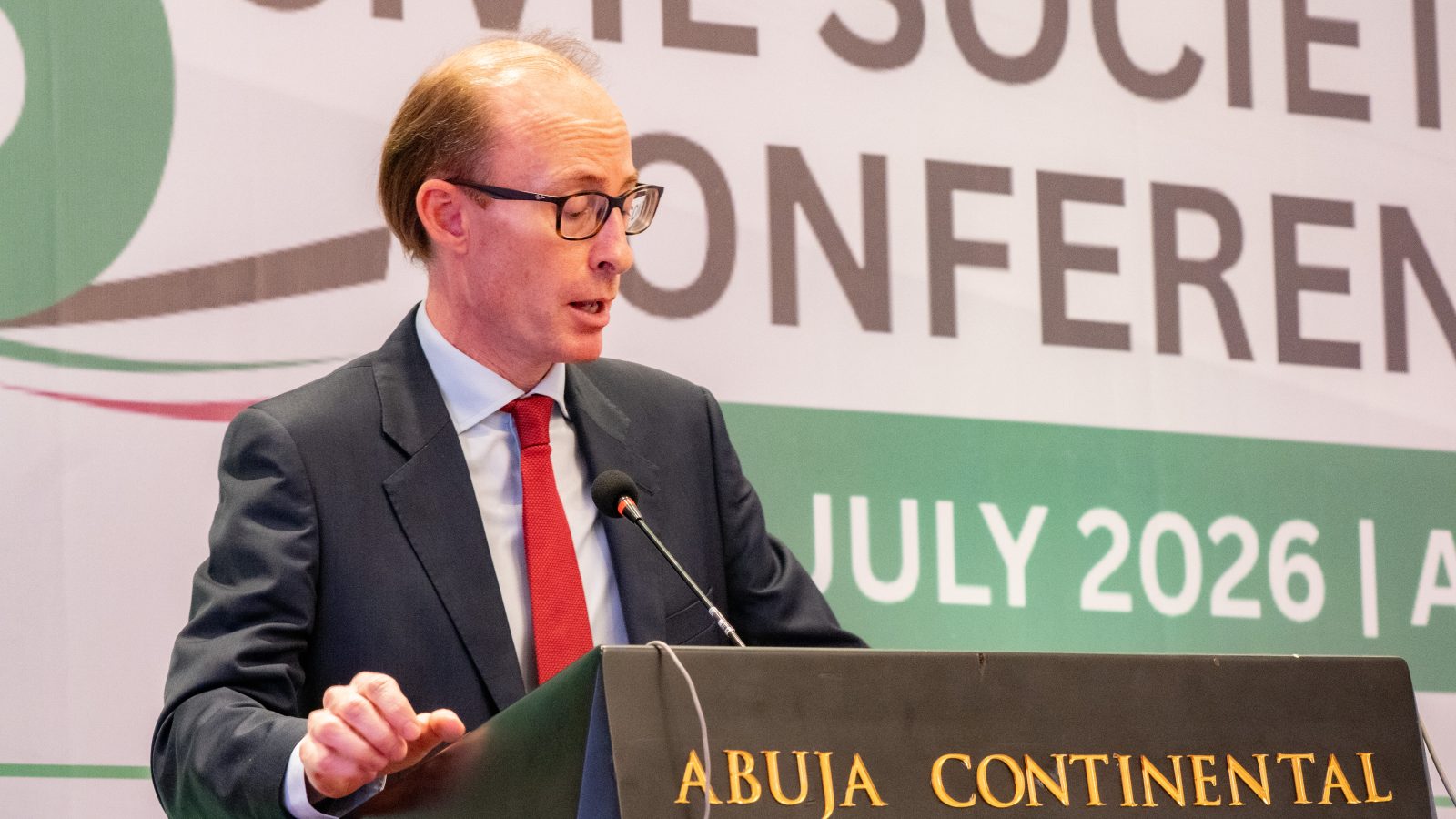
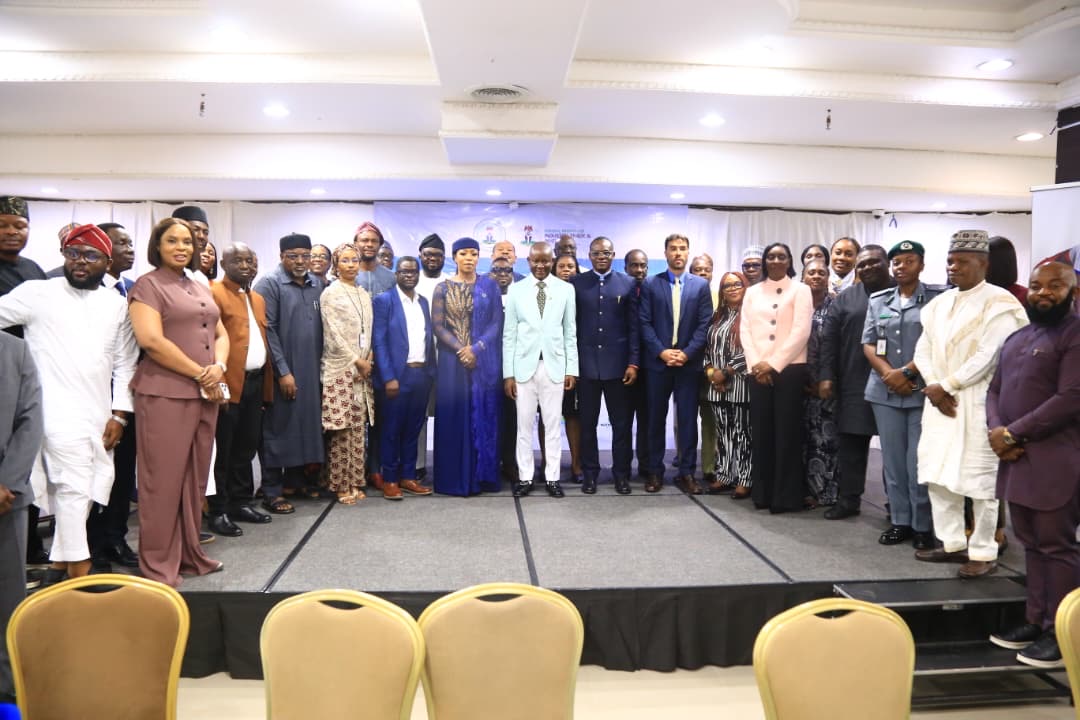
Prof. Ben Saul, the UN Special Rapporteur on the promotion and protection of human rights while countering terrorism, gave the warning at the 3rd Africa High-Level Civil Society Conference on Anti-Money Laundering and Countering the Financing of Terrorism (AML/CFT), organised by Spaces for Change in Abuja on Wednesday.
Saul said the implementation of the Financial Action Task Force (FATF) Recommendation 8 should focus on identifying organisations that are genuinely vulnerable to terrorist financing abuse rather than applying the same measures to all non-profit organisations.
“FATF rightly emphasises that Recommendation 8 only applies to organisations falling within FATF’s definition of NPOs, not the entire non-profit sector. It also recognises that regulation must be risk-based and proportionate and not apply indiscriminately to all NPOs,” Saul said.
He said civil society organisations remain important partners in delivering humanitarian assistance, supporting education, improving healthcare, empowering communities and responding to conflicts and natural disasters across Africa.
“Most NPOs do not pose any risk of terrorist financing at all. All countries must also periodically reassess which NPOs are at risk and protect NPOs from terrorist financing risks without disrupting or discouraging legitimate activities,” he said.
The UN expert said some countries had relied on assumptions rather than evidence when assessing terrorist financing risks within the non-profit sector, leading to unnecessary compliance burdens for organisations carrying out legitimate humanitarian work.
“Excessive compliance requirements can force NPOs to divert their scarce resources away from their legitimate activities, including humanitarian action, peace building, human rights protection and initiatives to prevent violent extremism,” Saul said.
He also called for stronger engagement between governments and civil society organisations, stressing that non-profit groups often have direct links with communities and can contribute to developing effective measures against terrorist financing.
“Governments have much to learn from the experience, expertise and capacities of civil society, who often work closely with communities and can build bridges of trust with them.”
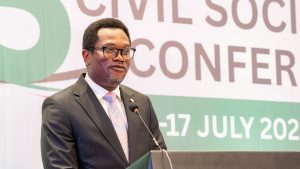
Addressing participants, Harry Erin, who represented the EFCC Chairman, Ola Olukoyede, at the conference, said Nigeria’s experience in strengthening its anti-money laundering and counter-terrorism financing framework was built on collaboration among regulators, security agencies and civil society organisations.
“Nigeria successfully conducted a comprehensive national terrorist financing risk assessment of the non-profit sector”
“This process was distinguished by extensive consultation, technical rigour and meaningful participation by the non-profit community itself.”
On his part, the Registrar-General of the Corporate Affairs Commission (CAC), Hussaini Magaji, noted that the commission remained committed to improving transparency and accountability among registered entities, including NPOs, through ownership disclosure mechanisms.
“We are also hosting the Beneficial Ownership Register, which is a defining moment for this process. We have collaborated for a very long time with relevant regulatory agencies and civil society organisations, and we are committed to sustaining that collaboration,” Magaji said.
The convener of the conference, Victoria Ibezim-Ohaeri, said the gathering was created to move discussions around FATF Recommendation 8 from policy commitments to practical implementation across Africa.
She said the platform brought together regulators, enforcement agencies, civil society organisations and other stakeholders to examine how countries can address terrorist financing risks while protecting legitimate civic space.
“We established the principle that civic space should sit at the heart of anti-money laundering and countering the financing of terrorism. This year, we are moving from principle to practice, from paper to actual implementation,” Ibezim-Ohaeri said.
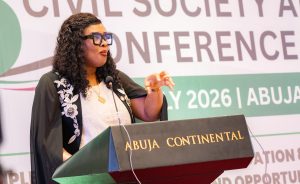
Ibezim-Ohaeri said Nigeria’s experience provided lessons for other African countries seeking stronger collaboration between government institutions and civil society actors in implementing AML/CFT reforms.
“The biggest question was how did Nigeria do it, which lessons can we learn from Nigeria, and how can we adapt those experiences across Africa,” she said.
The conference brought together stakeholders from across the continent, including government agencies, financial intelligence units, regulatory authorities, civil society organisations, development partners, academia and private sector representatives.
Organised by Spaces for Change, the 3rd Africa High-Level Civil Society Conference on AML/CFT is focused on sharing experiences, lessons learned and opportunities for reforms in protecting legitimate non-profit organisations while addressing terrorist financing risks across Africa.
Persecondnews reports that the 3rd Africa High-Level Civil Society Conference on Anti-Money Laundering and Countering the Financing of Terrorism (AML/CFT) commenced on Wednesday in Abuja, following a pre-masterclass session for non-profit organisations held yesterday.
Author










Leave a comment