













By Joycelyn Ellakeche Adah
As Nigeria’s electricity sector navigates one of the most ambitious reforms in history, the Federal Government has established a nine-member inter-agency committee to address emerging challenges arising from the decentralisation of the country’s electricity market.
The committee will address stakeholder concerns and map out practical steps to implement the Electricity Act 2023.
This landmark law transitions Nigeria from a centrally controlled power market to a multi-level system shared by federal and state regulators.
The development follows increasing engagements among stakeholders over the evolving structure of Nigeria’s electricity industry, as more states move to establish their own electricity markets and regulatory institutions under powers granted by recent constitutional and legislative reforms.
Under the Constitution of the Federal Republic of Nigeria (Fifth Alteration) Act, 2023, electricity was moved from the Exclusive Legislative List to the Concurrent Legislative List, allowing states to legislate and regulate electricity activities within their jurisdictions.
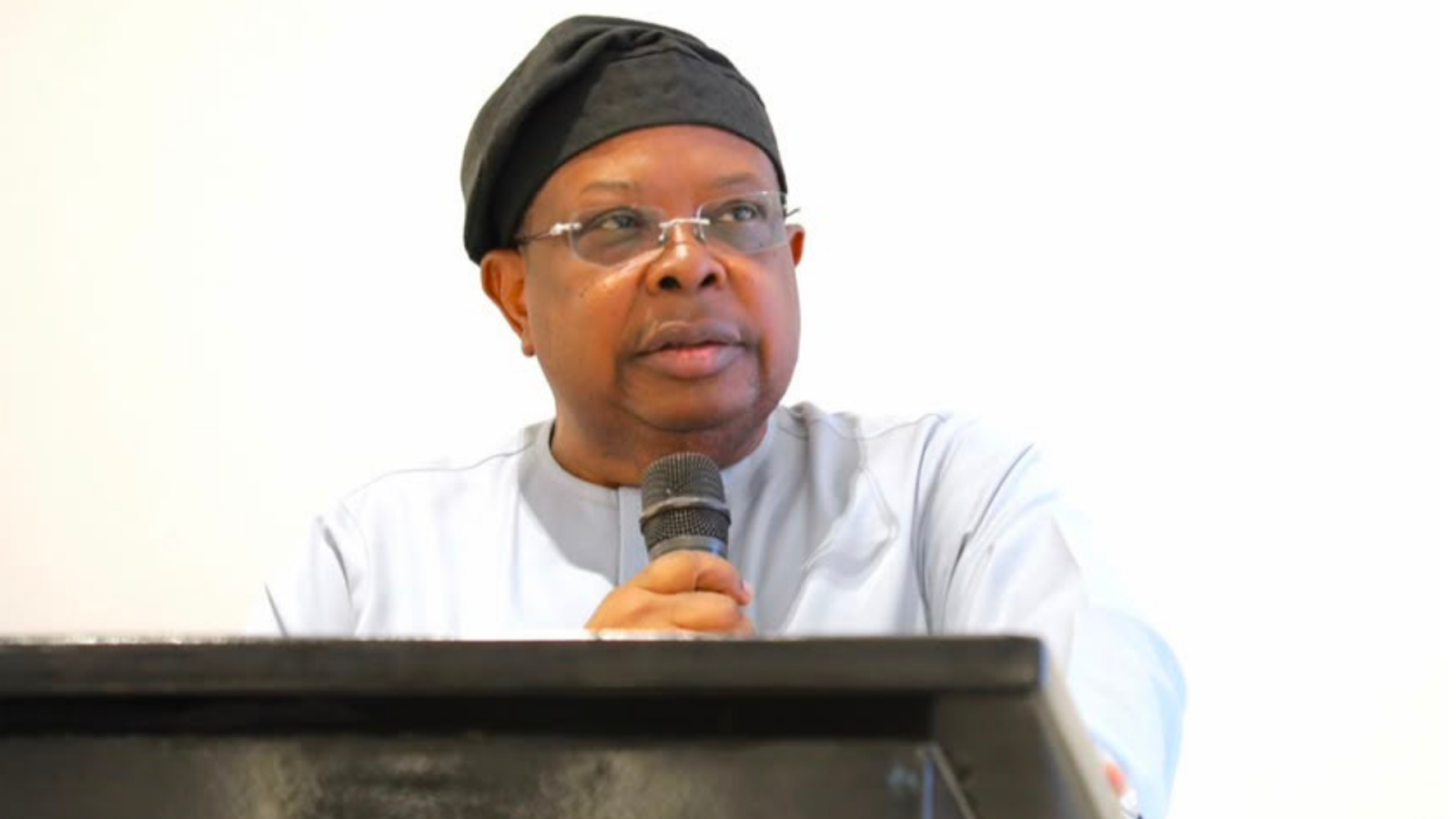
Speaking during a stakeholders’ workshop, the minister described the ongoing transition as one of the most significant power sector reforms undertaken in decades, stressing that its success would depend on cooperation rather than competition among institutions.
According to him, the future of the Nigerian Electricity Supply Industry (NESI) rests on collaboration, regulatory certainty and a collective commitment to delivering better outcomes for electricity consumers and investors.

He noted that electricity remains the backbone of economic development, powering key sectors such as manufacturing, agriculture, mining, telecommunications, financial services and the digital economy.
The minister further argued that reliable electricity is central to achieving the Federal Government’s broader economic objectives under the Renewed Hope Agenda, making the success of ongoing reforms a national priority rather than merely a regulatory exercise.
He urged stakeholders to view decentralisation not as a fragmentation of the power sector but as a strategic redistribution of responsibilities within a single interconnected national electricity system.
The minister expressed optimism over the level of engagement among stakeholders and welcomed the decision to deepen consultations as implementation of the new framework progresses.
Sustained dialogue and cooperation will be critical to building a modern electricity market capable of attracting investment, improving service delivery and supporting long term economic growth, he stressed.
Persecondnews reports that the committee’s recommendations is expected to play a significant role in shaping how federal and state institutions work together to deliver a more reliable, efficient and investor friendly electricity market.
The reform was subsequently reinforced by the Electricity Act 2023, which provides the legal framework for states to generate, transmit, distribute and regulate electricity within their territories.
Since the enactment of the law, several states have passed electricity legislation and established regulatory commissions, while the Nigerian Electricity Regulatory Commission (NERC) has continued transferring oversight responsibilities to qualified states.
While the reform has been widely welcomed as a pathway to increased investment, improved service delivery and greater energy access, stakeholders have also identified areas requiring coordination between federal and state institutions to avoid regulatory overlaps and ensure market stability.
It was against this backdrop that the Minister of Power announced the establishment of the committee, which he will chair as head of the power sector’s inter-agency coordination framework.
Persecondnews also reports that the committee has been given four weeks to engage relevant stakeholders, review issues raised during deliberations and submit recommendations aimed at resolving implementation concerns and strengthening coordination across the sector.
Author












Leave a comment