











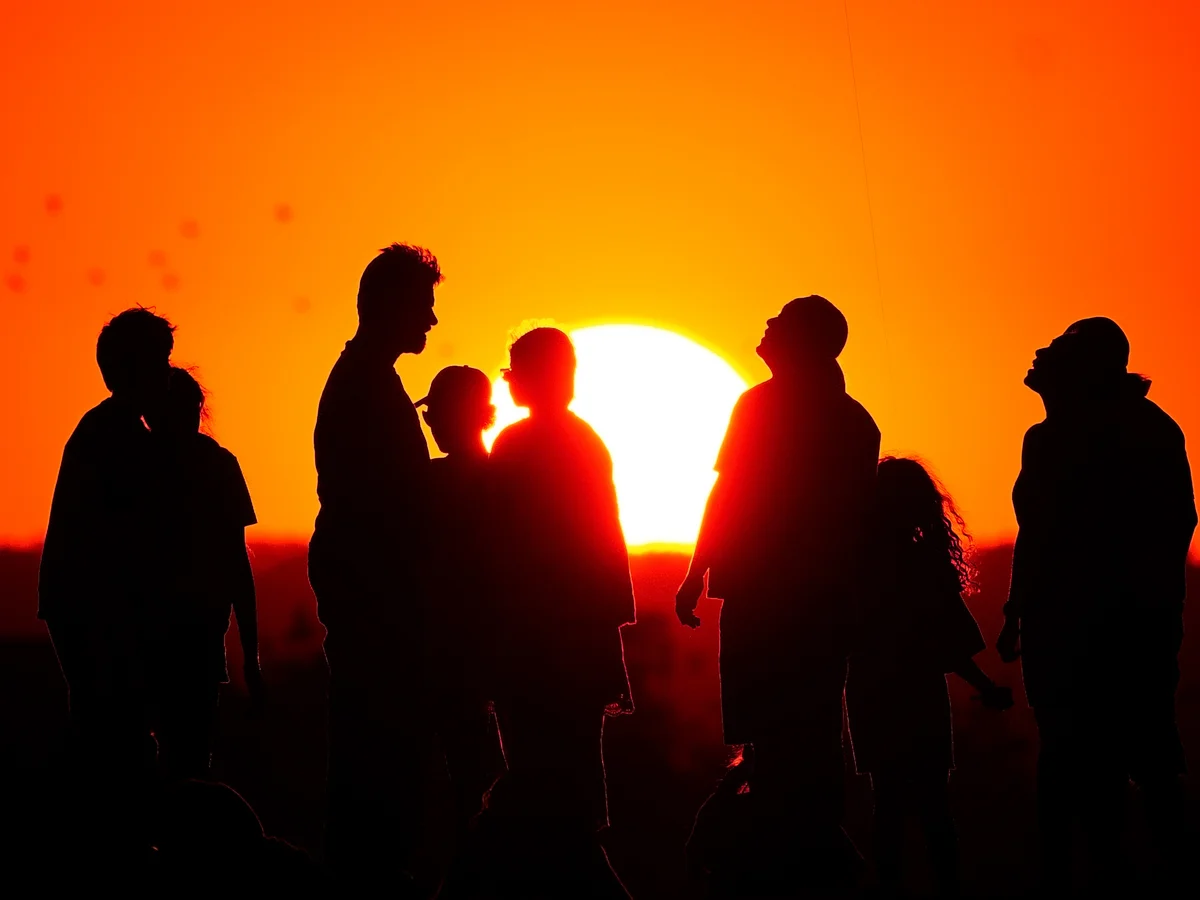




The world faces a high risk of even more extreme heat in the years ahead, with the World Meteorological Organisation projecting a strong chance that global temperatures will push past the critical 1.5°C threshold set by the Paris Agreement.
In its latest climate update issued on Thursday, the UN weather agency working alongside the UK Met Office warned that there is a 75 percent probability the five-year average temperature from 2026 to 2030 will exceed the 1.5°C benchmark.
It also estimates an 86 percent likelihood that at least one year in that period will be hotter than 2024, the current warmest year on record.
Annual global temperatures during 2026–2030 are forecast to sit between 1.3°C and 1.9°C above the 1850–1900 baseline.
While the agency described it as “exceptionally unlikely” for any single year before 2030 to surpass 2°C of warming, it tied the expected rise to ongoing greenhouse gas emissions and the possible return of El Niño conditions, especially in 2027 and 2028.
El Niño is a natural climate pattern marked by unusually warm surface waters in the central and eastern Pacific Ocean, which disrupts typical weather systems across the globe.
The report highlights that the Arctic will warm at a faster pace than the global average, with winter temperatures there projected to climb by about 2.8°C above recent baselines over the next five years.
Wetter conditions are expected in parts of northern Europe and the Sahel, while the Amazon region faces drier patterns.
These shifts raise fresh alarms over intensified extreme weather, including droughts, flooding, and ecosystem damage.
WMO Secretary-General Celeste Saulo stressed that “the latest findings underscore the urgent need for stronger climate action and improved preparedness for extreme weather impacts.”
The update arrives as heatwaves grip parts of Europe, with several countries logging unusually high temperatures this week.
UN climate chief Simon Stiell noted that “the ongoing heatwave across Europe highlights the worsening human and economic consequences of the climate crisis,” adding that nations such as India and several parts of Asia are also suffering severe climate-related effects.
In Nigeria, the consequences of climate change are already stark.
Rising sea levels and coastal erosion are destroying homes and livelihoods in vulnerable communities along the Atlantic coastline, while severe flooding, irregular rainfall, desertification, and intense heatwaves continue to batter the Sahel region in northern Nigeria.
Author











Leave a comment