












By Omoyeni Ojeifo
The Presidency has reaffirmed its commitment to current economic reforms, asserting that measures like the removal of fuel subsidy are essential for enhancing national revenue and institutional efficiency.
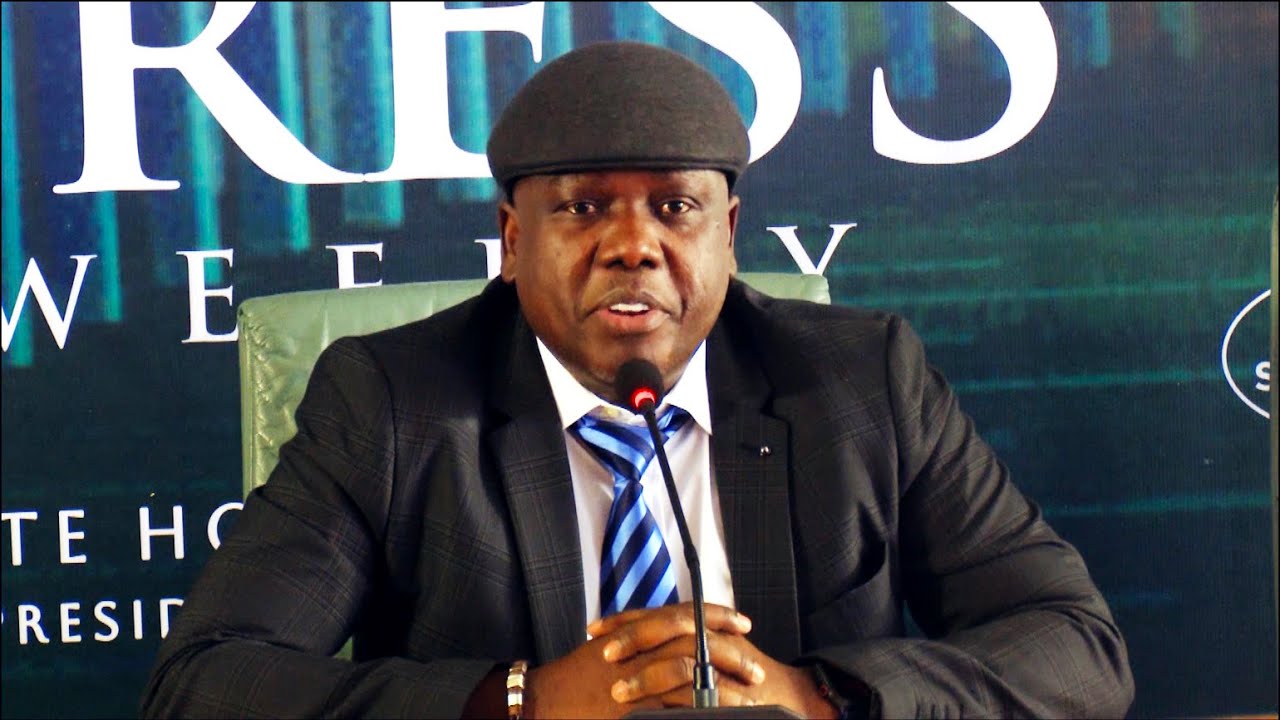
Appearing on Channels TV on Thursday evening, Special Adviser Daniel Bwala addressed public concerns over inflation, stating that the Tinubu administration is focused on sustainable growth and ensuring that welfare interventions reach those who need them most.
“The reforms we are implementing are already reflecting in Improved revenue generation for the Federation.
“Our actions, our conducts and our executive acts are there for the Nigerian people to see. We are guided by data, performance indicators, and measurable outcomes,” he said.
He added that governance performance should be assessed through fiscal indicators and broader economic trends rather than immediate consumer pressures.
“All the Governors in Nigeria are happy because they are benefitting from higher revenues. And when the Governors are happy, it means the people are also benefiting, because they represent their respective states and citizens,” he said.
The presidential aide also said the administration has continued targeted subsidies in key sectors despite removing fuel subsidy.
“We have subsidized dialysis to 50 percent. We have also supported agriculture and other critical interventions that directly affect Nigerians,” he said.
On concerns over fuel pricing and global oil fluctuations, he maintained that subsidy removal remains irreversible in the oil sector.
“There are areas of intervention, but the old model of fuel subsidy is not what we are returning to. In the past, a lot of these funds were being mismanaged and in some cases, people were stealing the money meant for subsidies.
“That is exactly what this administration is trying to correct by removing those leakages and ensuring proper targeting of government interventions,” he noted.
He further explained the challenge of translating national economic gains into direct household impact, noting that the process takes time due to population size and resource constraints.
The Presidency said while macroeconomic indicators such as revenue performance, foreign exchange stability and debt servicing ratios are improving, the government is deliberately prioritising sectors like healthcare, agriculture, education and infrastructure to ensure gradual relief at the micro level.
Bwala urged Nigerians to be patient with the present administration that ongoing reforms are designed to strengthen long- term economic resilience and improve living standards over time.
Author








Leave a comment