The Federal Government says it is ramping up technical support for local pharmaceutical manufacturers to strengthen Nigeria’s healthcare security and global competitiveness.
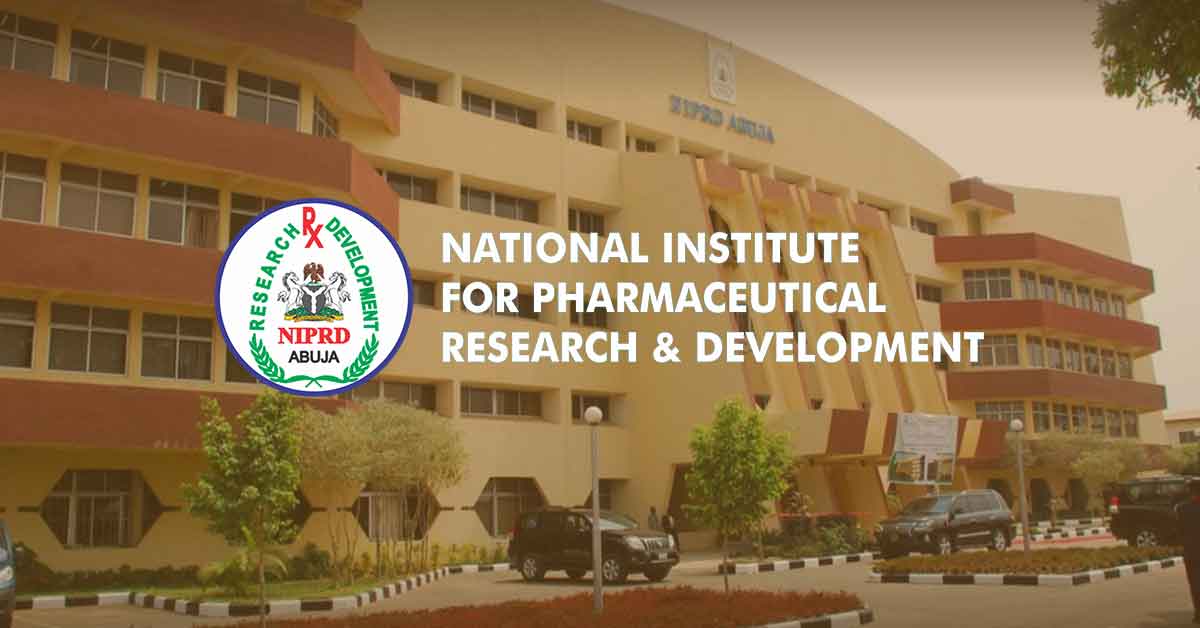
As reported by Persecondnews, the National Institute of Pharmaceutical Research and Development (NIPRD) has partnered with the National Malaria Elimination Programme (NMEP)—with World Bank backing—to help domestic firms secure World Health Organization (WHO) prequalification.
This status is essential for participating in international medicine procurement.
By closing technical gaps and aligning with global regulatory standards, the initiative aims to open new doors for local drug production.
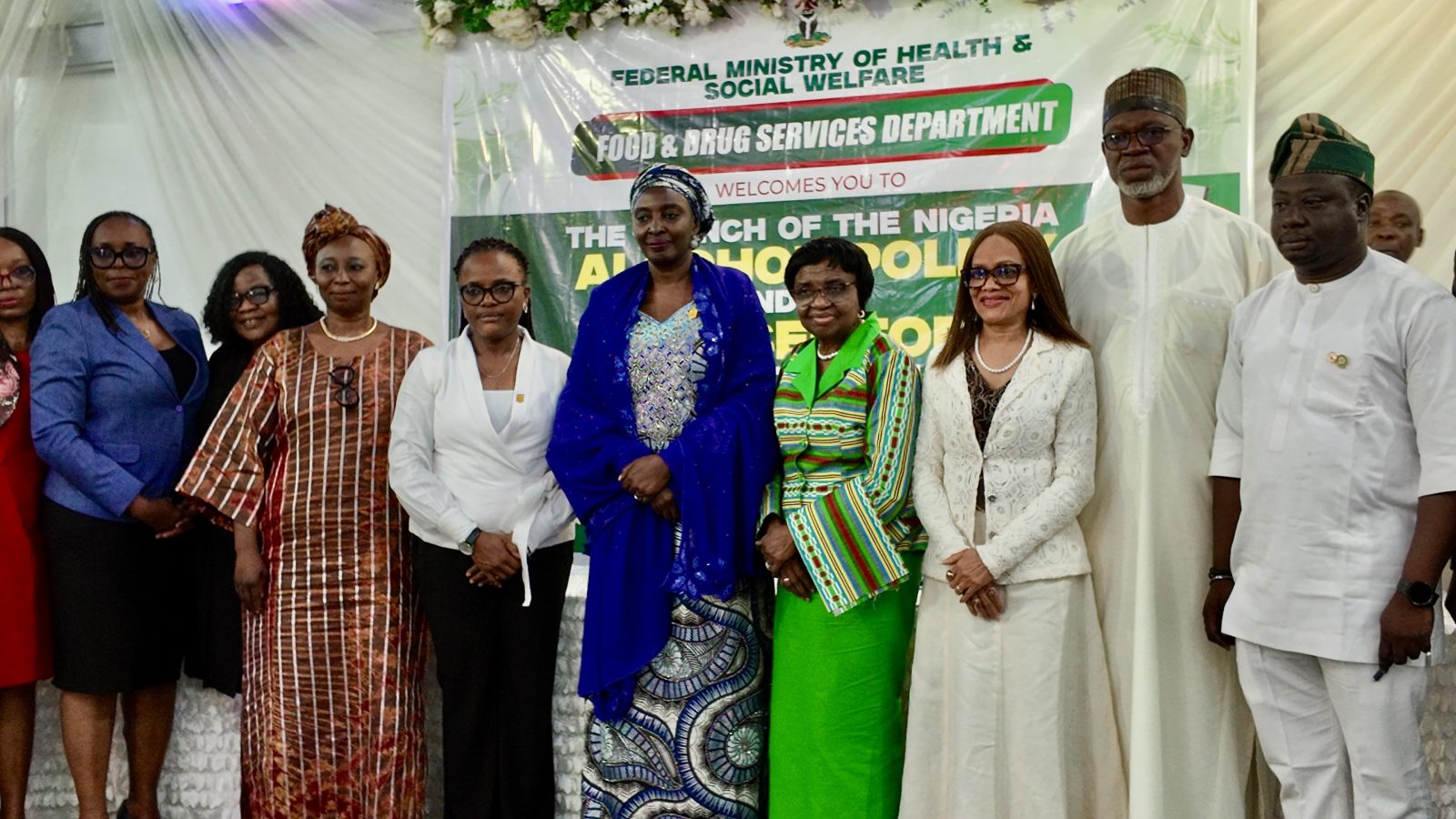
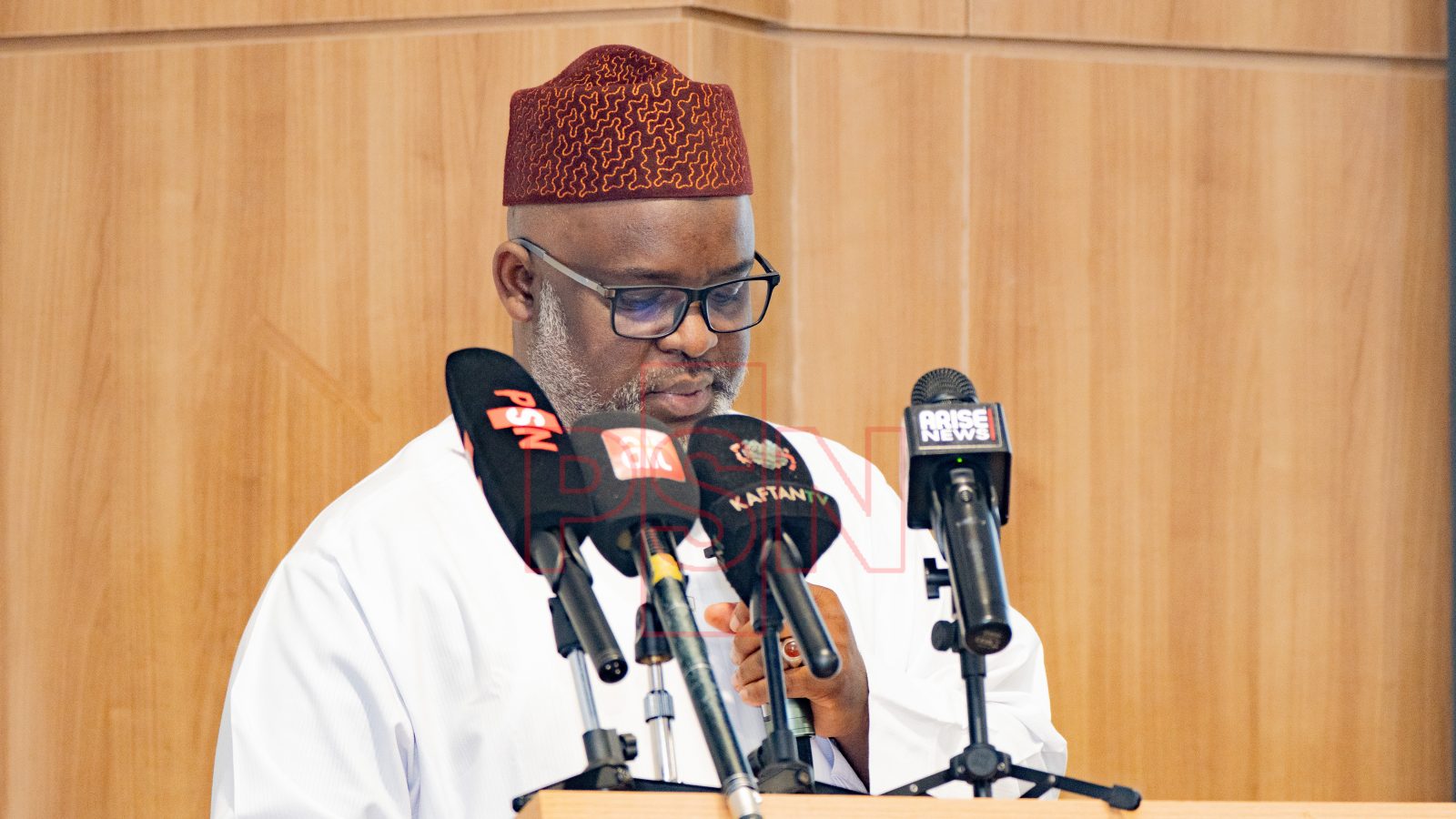
Dr. Obi Adigwe, Director-General of NIPRD, hailed the project during a Lagos event as “simply transformational.”
“Reliance on imported medicines poses risks to equity, national security and economic stability. Medicine security is not just a health metric; it is the bedrock of national sovereignty,” he said.
The Institute’s Director, Dr. Mboma Iheanyi, who represented the Director General, said Nigeria’s pharmaceutical sector had long been excluded from global procurement opportunities due to stringent WHO benchmarks but noted that progress is now being recorded.
He said the intervention followed a structured approach to strengthening local manufacturing capacity.
“Local manufacturers have moved from uncertainty to a firm commitment to meet WHO prequalification standards,” he said.
He further disclosed that technical understanding among participating firms improved significantly from 33.3 per cent to 86.7 per cent, while 13 out of 19 critical gaps identified at baseline have been addressed.
The NIPRD Lead for the IMPACT Project, Mr Okefu Okoko, who also spoke at the event, said the development marks a turning point for Nigeria’s pharmaceutical sector.
He also confirmed that companies are actually advancing towards WHO prequalification, adding that certification for antimalarial medicines would represent a major breakthrough.
“It would not only strengthen medicine security in Nigeria but also enable local firms to compete globally for supply contracts,” he said.
Pharm. Desola Arowolo, the Project Lead Consultant, attributed the progress to a shift in mindset among participating companies.
“Many companies were already implementing sound practices but needed to refine and align them with global standards,” she said.
She observed that the initiative has already enabled firms to begin developing the regulatory dossiers essential for international certification, while simultaneously highlighting the remaining gaps that must be closed to reach full compliance.
Arowolo emphasized that while current progress is promising, long-term success hinges on increased financial investment and unwavering stakeholder commitment to help more manufacturers meet global benchmarks.























Leave a comment