











By Dr George Ogunjimi
Xenophobia in South Africa has become a deeply troubling issue, raising questions about unity, historical memory, and the values that once defined the African struggle for liberation.
While concerns about illegal immigration and documentation are valid, they cannot justify the violence, hostility, and loss of life that have increasingly targeted foreign nationals, particularly fellow Africans.
The recurring outbreaks of violence such as the 2008 South African xenophobic riots highlight a pattern that continues to resurface.
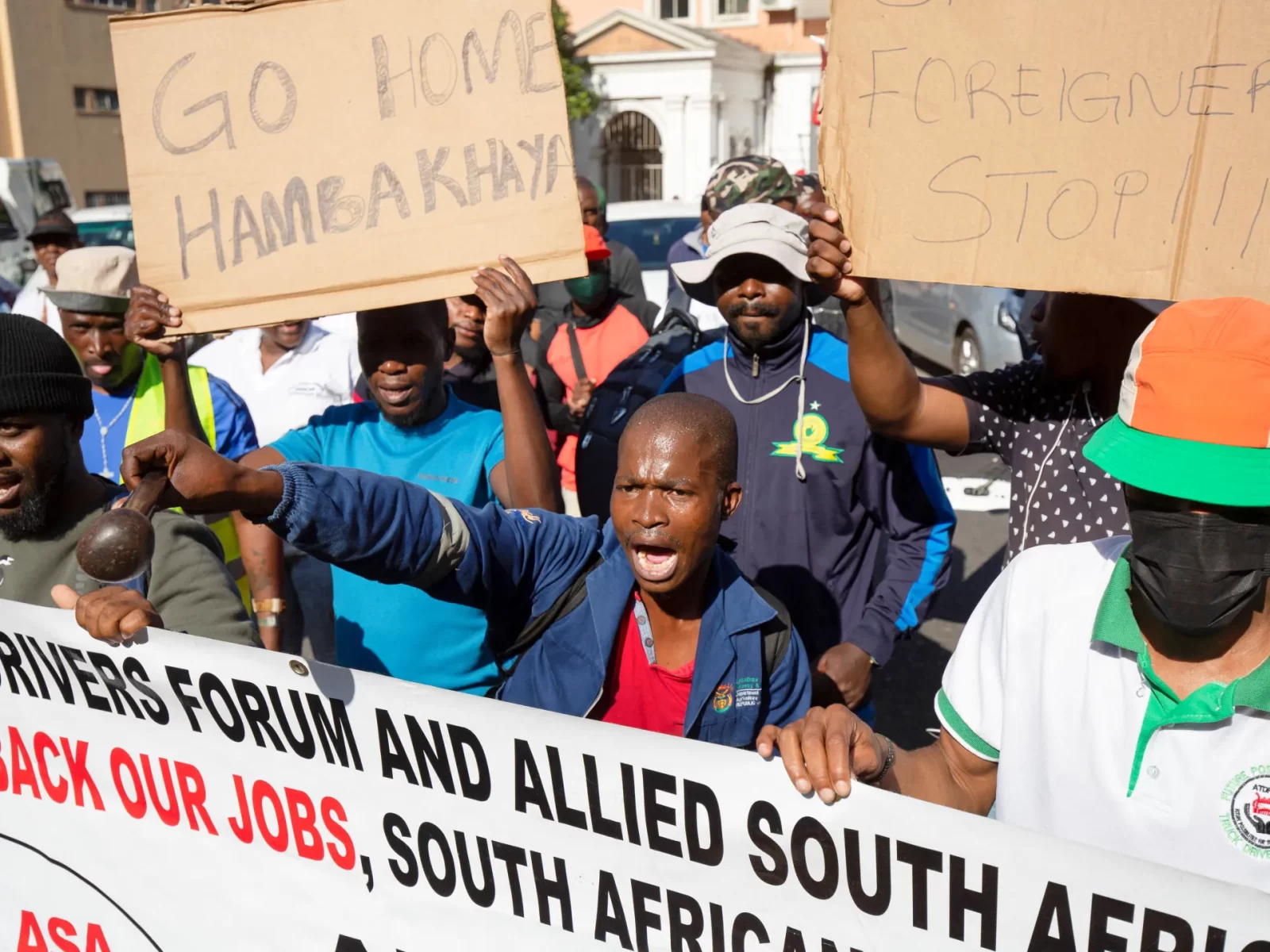
Incidents like the recent killing of a Nigerian taxi driver, widely shared in disturbing videos, serve as painful reminders of how severe and personal this crisis has become.
These acts not only harm individuals and communities but also damage the broader vision of African solidarity.
Historically, many African nations, including Nigeria, stood firmly against Apartheid, offering financial, political, and moral support to movements like the African National Congress. This shared struggle fostered a sense of continental unity an idea that now seems under strain.
Figures like Julius Malema have spoken about African unity and condemned xenophobic violence, though the broader political and social landscape remains complex. The persistence of these attacks suggests deeper underlying issues, including economic inequality, unemployment, and social frustration.
Ultimately, xenophobia in South Africa is not just a national issue it is an African one. It challenges the continent to reflect on its shared history, its responsibilities to one another, and the urgent need to rebuild a sense of unity and mutual respect.
The history of xenophobic violence in South Africa often referred to as Afrophobia is a complex issue rooted in the country’s transition from apartheid to democracy.
While South Africa has long been a destination for migrants from across the continent, significant waves of violence have periodically targeted foreign nationals, particularly those from other African countries and South Asia.
Timeline of Major Incidents
*Early Post-Apartheid (1994–2007): Shortly after the first democratic elections, isolated incidents occurred. In 1995, armed gangs in Alexandra township attacked migrants from Malawi, Zimbabwe, and Mozambique. In 1997, foreign traders in Johannesburg were targeted in a 48-hour wave of violence and looting.
*The May 2008 Crisis: This remains the most devastating wave of violence. It began in Alexandra and spread nationwide, resulting in at least 62 deaths (including some South Africans), hundreds of injuries, and the displacement of over 100,000 people. The image of Ernesto Nhamuavhe, a Mozambican man set on fire, became a global symbol of the crisis.
*The 2015 Outbreak: Violence flared up in Durban and Johannesburg, partly fueled by inflammatory rhetoric from traditional leaders. This prompted several African governments, including Nigeria and Malawi, to repatriate their citizens.
*2019 and Beyond: Violent riots broke out in Johannesburg and Pretoria, targeting foreign-owned businesses. Most recently, groups like Operation Dudula have emerged as organized vigilante movements focusing on “flushing out” undocumented migrants.
Analysts have pointed to a “perfect storm” of socio-economic factors as regards xenophobia or Afrophobia.
Scapegoating foreigners are often blamed for high crime rates, the influx of drugs, and the “theft” of jobs, despite many working in the informal sector.
Economic Frustration
With one of the highest unemployment rates in the world, many South Africans in townships feel “relative deprivation” the sense that migrants are prospering while they remain in poverty.
Service Delivery Failure
Frustration with the government’s inability to provide housing and basic services is often redirected toward “outsiders” who are perceived as straining limited resources.
Legacy of Apartheid
Decades of institutionalized segregation and state-sanctioned violence have left a “scarred national psyche,” where violence is sometimes viewed as a legitimate tool for resolving social disputes.
It is often noted that these attacks are rarely directed at wealthy tourists or white immigrants from the West.
Instead, the violence almost exclusively targets Black Africans and South Asians living in low-income townships. This has led many to classify the phenomenon not just as xenophobia (fear of the stranger) but specifically as Afrophobia.
George Ogunjimi Esq
Juris Republic
Author








Leave a comment