










Britain’s annual inflation rate surged to 3.3 percent in March, driven by soaring oil and gas prices triggered by the Middle East conflict, official figures released on Wednesday show.
The Consumer Prices Index rose from 3.0 percent in the year to February, according to data published by the Office for National Statistics.
Grant Fitzner, chief economist at the ONS, said: “Inflation climbed in March, largely due to increased fuel prices, which saw their largest increase for over three years.”
Fitzner’s analysis highlighted how the sharp fuel cost rise is the main factor behind the headline jump, underscoring the direct link between global energy turmoil and household bills.
Finance minister Rachel Reeves reaffirmed the Labour government’s firm opposition to the conflict, noting it has driven up living costs for millions of Britons across the country.
“This is not our war, but it is pushing up bills for families and businesses. That’s why it’s my number one priority to keep costs down,” Reeves said in a statement.
On Tuesday she unveiled plans to lift the windfall tax on low-carbon electricity generators from 45 percent to 55 percent to help ease the pressure on households and firms.
She has, however, rejected calls for direct cuts to consumer energy bills.
The latest UK figure of 3.3 percent now matches March inflation in the United States, though the US rate accelerated far more sharply from 2.4 percent in February.
Britain’s inflation also outpaces the eurozone, where the annual rate climbed to 2.6 percent in March from 1.9 percent the previous month.
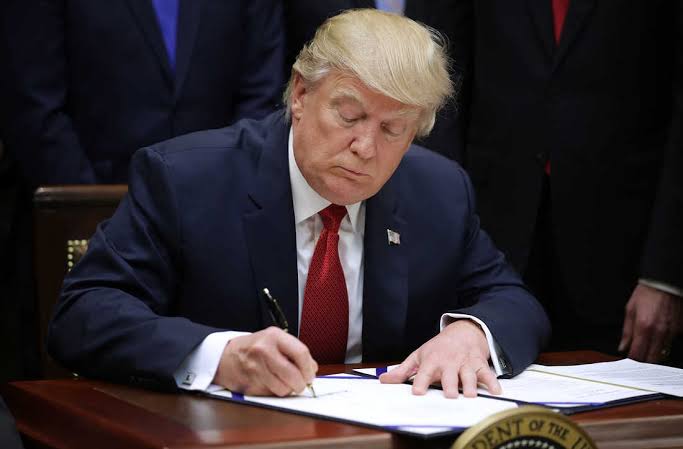
Energy prices have rocketed since the US-Iran war broke out on February 28, even though they have eased slightly after a ceasefire extension announced by US President Donald Trump on Tuesday.
Oil and gas levels nevertheless remain well above pre-war benchmarks because Gulf supplies are still largely blocked from moving through the Strait of Hormuz.
Analysts expect the Bank of England to hold its main interest rate steady at next week’s meeting and potentially through the rest of the year, as the war is forecast to weaken overall economic growth.
“While the increase in prices will be felt keenly at the petrol pump, it is highly unlikely a single inflation print will be enough to sway policy makers into moving the Bank of England base rate,” said Emma Wall, chief investment strategist at Hargreaves Lansdown.
The International Monetary Fund has sharply cut its forecast for British economic output this year to 0.8 percent, down from the 1.3 percent expansion it predicted in January, citing the conflict’s drag on growth.
Author








Leave a comment