











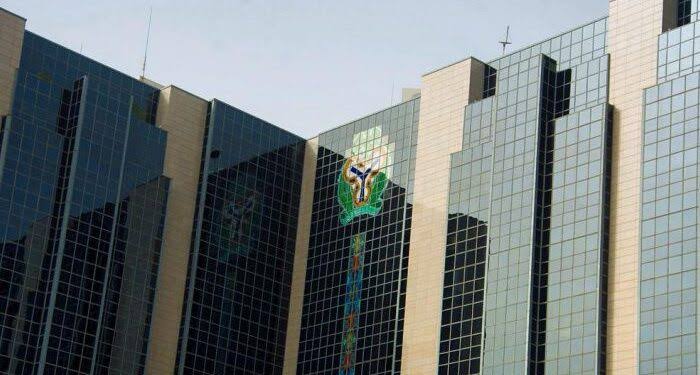



This recognition celebrates the institution’s shift back to traditional monetary approaches under Governor Olayemi Cardoso, who took office in October 2023.
Prior to these changes, Nigeria grappled with severe issues such as runaway inflation, a drastically devalued naira, shrinking foreign reserves, and widespread doubt from investors.
The foreign exchange system suffered from fragmented windows, a massive backlog of unsettled obligations around $7 billion, and excessive dependence on central bank funding for government spending.
Since Cardoso assumed leadership, the CBN has pursued aggressive measures centered on stricter monetary controls, greater openness, and renewed institutional reliability.
A major step involved revamping the foreign exchange landscape by implementing a market-driven willing-buyer, willing-seller model alongside an electronic matching platform.
These actions effectively removed longstanding market irregularities and brought the difference between official and black-market rates down sharply—from more than 60% to under 2%.
The bank also successfully addressed and cleared the accumulated foreign exchange commitments, which helped revive trust among international and local participants while increasing overall market fluidity.
To tackle persistent price pressures, the CBN adopted a firm stance on interest rates, implementing significant hikes initially before gradually reducing them as conditions improved.
As a result, inflation, which had climbed beyond 34% in 2024, fell to approximately 15% by early 2026, demonstrating stronger policy effectiveness and better control over money supply.
The reforms extended to bolstering external reserves, which climbed to $46.7 billion by the end of 2025—the strongest position in almost seven years—and offering more than 10 months of import coverage for the country.
In parallel, the CBN pursued deep-seated organizational improvements, such as halting non-core fiscal activities, reinforcing supervision of financial entities, and improving clarity in official announcements.
The magazine also pointed to advancements in Nigeria’s standing on financial transparency, including its exit from the Financial Action Task Force (FATF) grey list and favorable reviews from bodies like the International Monetary Fund.
While applauding these accomplishments, Central Banking magazine emphasized that ongoing efforts are needed to maintain falling inflation levels, finalize banking sector enhancements, and build long-term institutional strength.
Overall, the publication described the CBN’s progress in the last two years as truly impressive, showcasing a firm dedication to achieving lasting stability and setting the stage for enduring economic advancement in Nigeria.
Author








Leave a comment