















By Joycelyn Ellakeche Adah
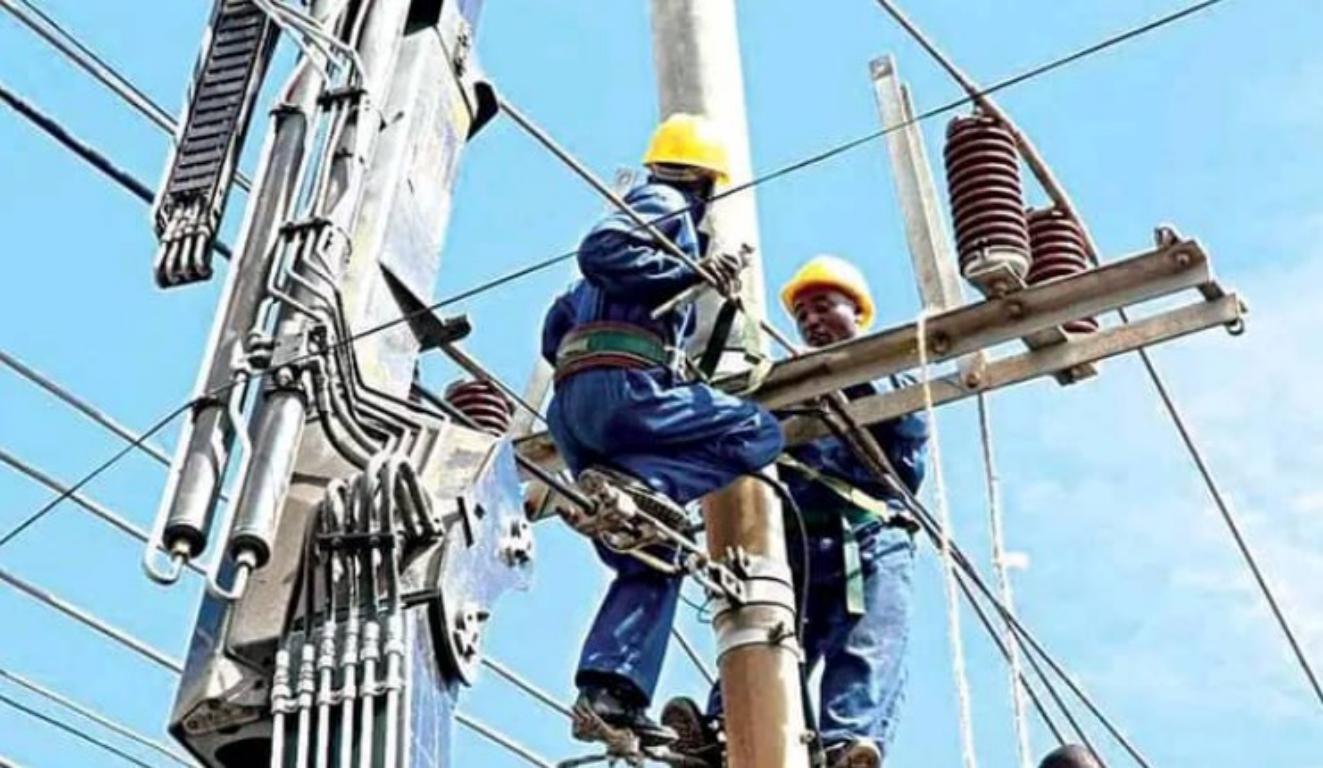
Nigeria’s power grid remains under pressure as persistent gas shortages continue to cripple the output of several thermal power plants.
In response, the Nigerian Independent System Operator (NISO) has assured the public that it is working closely with Generation Companies (GenCos) and gas suppliers to stabilize the situation and restore generation levels as soon as possible.
To prevent a total collapse during this period, NISO is implementing strategic operational measures designed to maintain grid stability and minimize further disruptions to the national supply.
NISO assured stakeholders and Nigerians that it remains committed to providing timely updates on developments affecting electricity generation and grid operations.
In a statement obtained by Persecondnews on Friday in Abuja, NISO said power generation dropped significantly due to the inability of many plants to access the gas needed to operate at full capacity.
As of 5:00 a.m. on Thursday, March 5, 2026, total electricity generation on the national grid stood at 3,940.53 megawatts (MW) already below the expected level because of existing gas supply challenges affecting several generating stations.
The situation worsened between 6:00 a.m. and 8:00 a.m., when multiple generating units were forced to shut down due to inadequate gas supply.
This led to an additional 292 MW reduction in available power on the grid during that period.
Operational figures from March 4, 2026, show that thermal power plants require about 1,588.61 million standard cubic feet (MMSCF) of gas per day to function at optimal capacity.
However, only 652.92 MMSCF was supplied just about 40 percent of what is needed to sustain full generation.
The shortfall has further strained electricity supply nationwide, contributing to the generation inadequacy currently affecting the national grid and, ultimately, the power available to homes and businesses.
Author











Leave a comment