











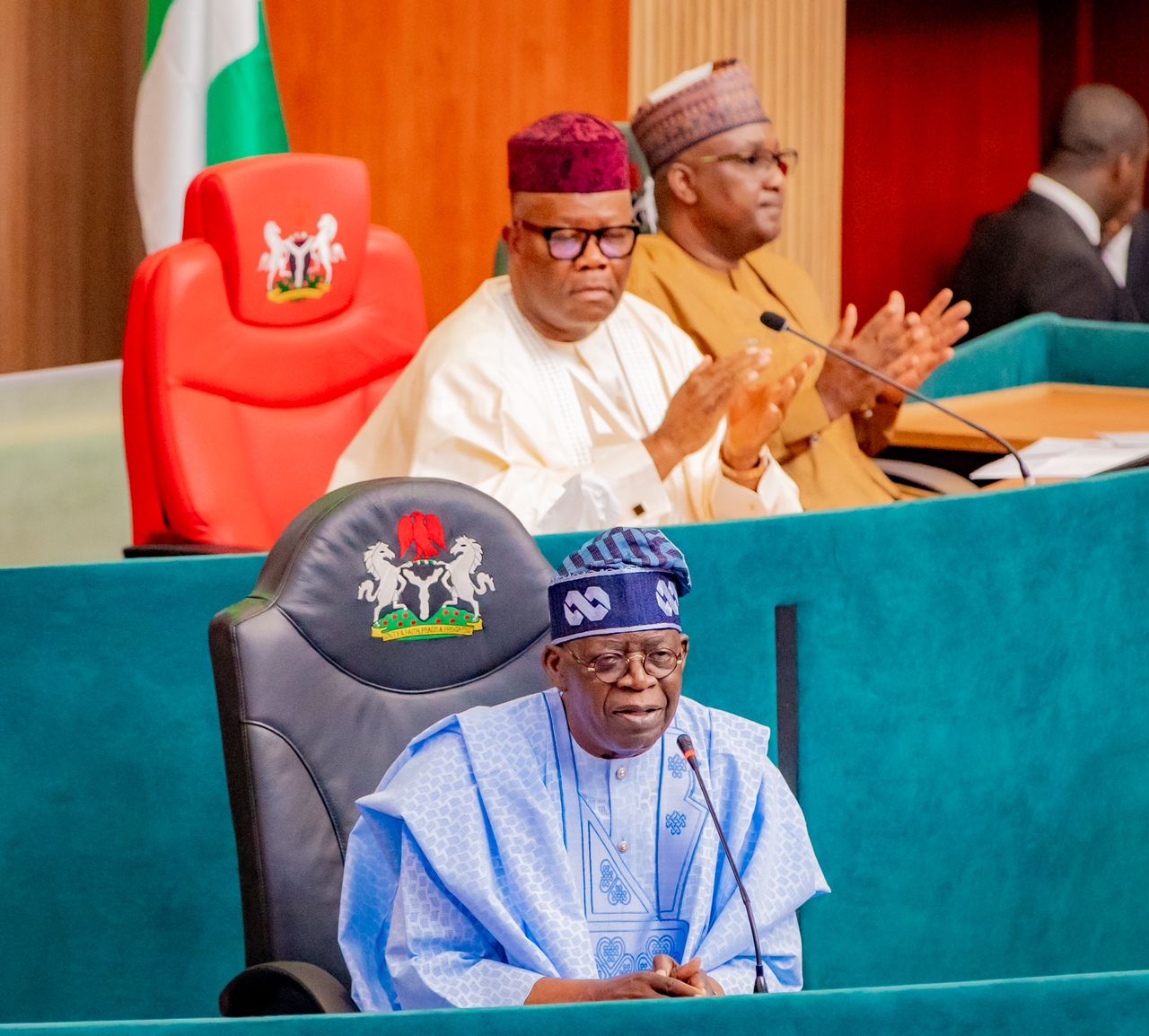




President Bola Tinubu has signed the Electoral Act (Repeal and Re-Enactment) Bill 2026 into law, fundamentally reshaping Nigeria’s voting framework just 12 months ahead of the 2027 general elections.
The assent follows a turbulent period in the National Assembly marked by emergency sessions and sharp partisan divisions.
The final version of the Act was solidified in mid-February after lawmakers successfully harmonized conflicting views on election timelines and result transmission methods.
One of the most debated changes involves Clause 60, governing the transmission of election results.
The law permits electronic transmission of results from polling units to the Independent National Electoral Commission (INEC) Result Viewing Portal (IReV), but includes a proviso allowing manual transmission as a fallback in cases of network failure or technical issues.
This hybrid approach was retained after a Senate division (55-15 in favor of keeping the manual option) and amid walkouts by some minority lawmakers in the House who pushed for mandatory real-time electronic uploads without exceptions.
Another major adjustment reduces the mandatory notice period for elections from 360 days to 300 days (under amended Clause 28).
This grants INEC greater flexibility to schedule the 2027 presidential and National Assembly polls potentially as early as late December 2026 or January 2027, helping avoid overlaps with the Ramadan fasting period (and potentially Lent), which could have conflicted with the original February 2027 timetable announced by INEC.
Additional reforms reportedly include clarifications on party primaries (favoring direct and consensus options while removing certain indirect mechanisms) and updates to penalties, timelines, and other procedural elements to address legal inconsistencies and improve preparations for future polls.
Author












Leave a comment