











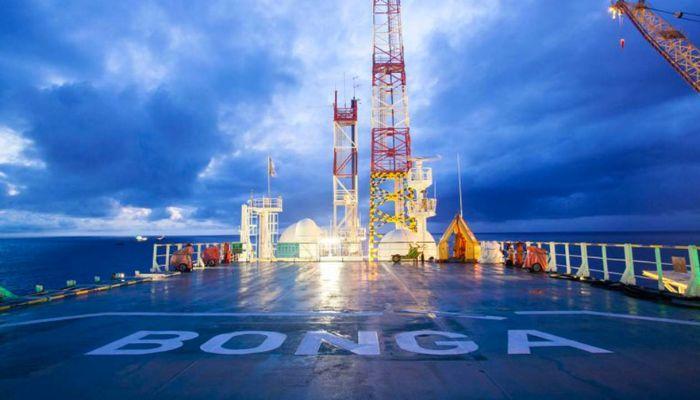




Shell Nigeria Exploration and Production Company (SNEPCo) has announced the shutdown of the Bonga floating production, storage, and offloading (FPSO) facility for scheduled turnaround maintenance in February.
This move is expected to impact Nigeria’s oil production, as the facility has a capacity of 225,000 barrels per day (bpd) and 150 million standard cubic feet (scf) of gas per day.
The maintenance exercise is a statutory integrity assurance programme aimed at extending the facility’s lifespan.
According to Gladys Afam-Anadu, Communications Manager at SNEPCo, the scope of work includes statutory inspections, certification and regulatory compliance checks, major asset-integrity upgrades as well as engineering modifications to improve long-term operations and subsea assurance activities”.
The Bonga FPSO, located approximately 120 km offshore, has been a significant contributor to Nigeria’s oil production.
SNEPCo Managing Director Ronald Adams emphasized that the planned maintenance is crucial to ensure the FPSO operates safely and efficiently for the next 15 years.
“The exercise will also cut unplanned deferments and strengthen the asset’s overall resilience,” Adams said, adding that SNEPCo expects to resume operations in March following the completion of the turnaround.
The shutdown comes at a time when Nigeria is struggling to meet its production quota assigned by the Organization of Petroleum Exporting Countries (OPEC). In November 2025, Nigeria’s oil output increased to 1.43 million barrels per day (bpd), the highest in three months.
SNEPCo operates the Bonga field in partnership with Esso Exploration and Production Nigeria (Deepwater) Limited and Nigerian Agip Exploration Limited, under a Production Sharing Contract with the Nigerian National Petroleum Company Limited (NNPC Ltd).
The Bonga FPSO has been a vital asset for Nigeria’s energy sector, delivering its 1 billionth barrel of oil in February 2023.
The successful turnaround maintenance is essential to preparing the facility for the additional volumes and operational demands associated with the new Bonga North development.
Author











Leave a comment