













By Sunday Dare
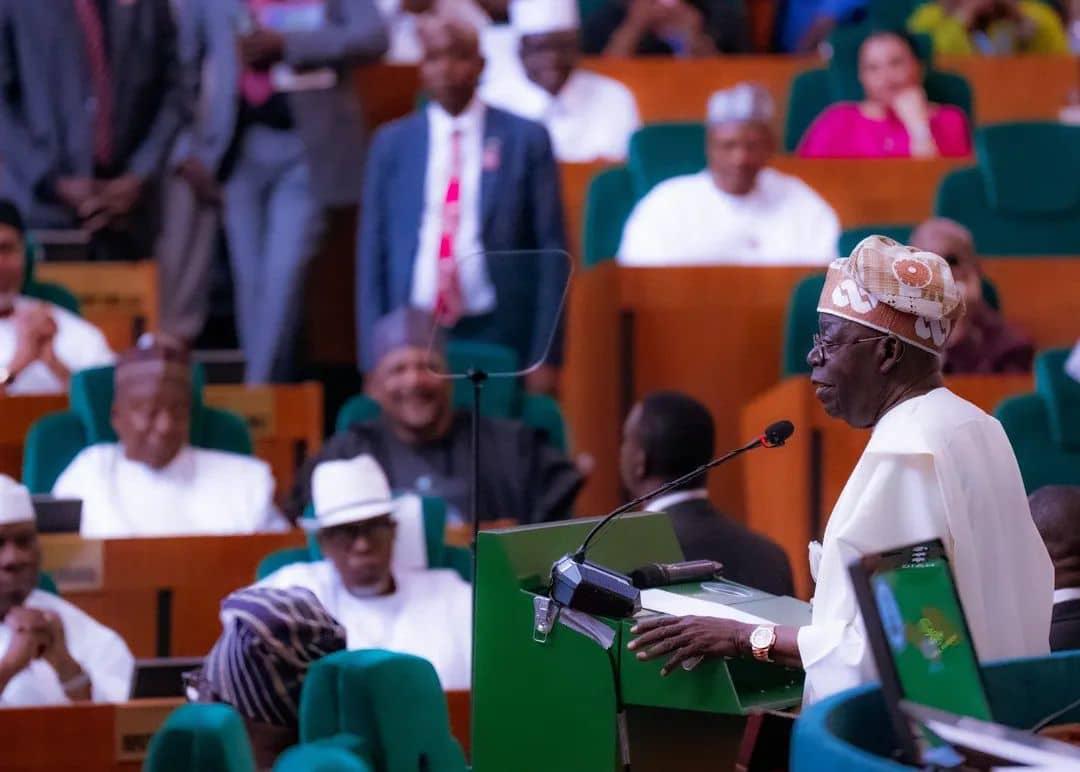
President Bola Ahmed Tinubu’s 2026 Budget Speech is remarkable, not only for its rhetorical flourish, it is remarkable, for something far more consequential in Nigerian public finance management: authority, realism, and enforcement intent.
This budget indicates where Nigeria is coming from, where it is, and—critically—what must now change.
1. A President Owning the Hard Truths, Powering Forward
The first strength of the speech lies in what it does not evade. The President openly acknowledges that:
* budget execution must be stronger, firm
* revenue assumptions were optimistic,
* and fiscal reality eventually caught up with projections.
This candour is rare in budget presentations, which often prefer abstraction over admission. By naming the problem plainly, the President establishes credibility and signals a shift from excuse-making to corrective action.
The clarification that the additional three months for 2025 budget execution is legal housekeeping, not fiscal indiscipline, further reinforces a leader who understands constitutional boundaries and chooses to explain them, not hide behind them.
2. The Boldest Line in the Speech: Command, Not Consultation
The speech reaches its most consequential moment at Paragraph 12:
> “Let me be clear: 2026 will be a year of stronger discipline in budget execution.”
This is not rhetorical emphasis; it is executive instruction. Naming the Minister of Finance, the Minister of Budget and Economic Planning, the Accountant-General, and the Director-General of the Budget Office is deliberate. It does three things at once:
* fixes responsibility,
* removes ambiguity,
* and collapses bureaucratic distance.
This is presidential authority exercised without apology. It sends a clear signal that 2026 is not a negotiating year for fiscal laxity.
3. From Reform Rhetoric to Enforcement Architecture
The speech’s boldness deepens in its treatment of Government-Owned Enterprises (GOEs). The language shifts from encouragement to performance compulsion:
* assigned revenue targets
* digitised end-to-end collections
* interoperable payment rails
* eeal-time dashboards,
* performance scorecards tied to evaluations.
This is not merely reform language; it is institutional redesign. The President is explicit that underperformance will no longer be masked by opacity or manual processes. The subtext is unmistakable: systems will now remember who performed and who did not.
4. Security Doctrine: No Moral Grey Zones
On national security, the speech abandons euphemism entirely. The declaration that any armed group operating outside state authority will be regarded as terrorists is a doctrinal reset. It removes political, ethnic, or semantic cover from violent non-state actors.
This is bold because it narrows discretion and widens accountability. It also signals to security agencies that ambiguity will no longer be an operational excuse.
5. Fiscal Numbers as Political Statement
The budget aggregates are presented not as defensive explanations, but as choices:
* a conservative oil benchmark
* realistic production assumptions
* a deficit framed within sustainability, not denial.
The repeated insistence that “these numbers are not mere accounting lines” reinforces the President’s framing of the budget as an instrument of national priority, not legislative ritual.
6. A Quiet but Firm Philosophy Shift
Perhaps the most important feature of the peesentation is its philosophical undertone:
Nigeria is moving from expansion without discipline to consolidation with enforcement.
The closing line captures it succinctly:
> “The most significant budget is not the one we announce. It is the one we deliver.”
That sentence alone separates this speech from many of its predecessors.
Why This Budget Matters
This budget speech is bold not because it promises miracles, but because it sets consequences. It does not sell optimism cheaply; it conditions optimism on discipline, systems, and performance.
In tone, structure, and substance, it signals a presidency that is no longer merely reform-minded, but execution-driven. If followed through, it marks a transition point: from reform as intent to reform as enforcement.
In that sense, this budget is less a fiscal document and more a governance marker—and its boldness lies precisely there.
Sunday Dare, is the Special Adviser to the President on Media & Public communication/Spokesperson
Author









Leave a comment