






By Omoyeni Ojeifo
Lagos, Enugu and Bayelsa have emerged as Nigeria’s top-performing states in BudgIT’s 2026 State of States assessment, while Cross River ranked last among the 35 states evaluated.
The report, however, questioned whether increased government revenues were translating into improved living conditions, particularly in healthcare, education and other essential services.
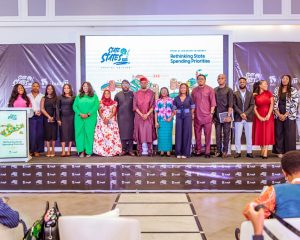
BudgIT Foundation, a Nigerian civic technology organisation promoting fiscal transparency, public finance accountability and effective service delivery, raised the concerns while presenting its 11th State of States report in Abuja on Tuesday, November 3.
The organisation challenged state governments to demonstrate how public funds were improving citizens’ lives, recommending that 50 per cent of additional Federation Account Allocation Committee (FAAC) revenue be channelled into a Human Capital and Productivity Fund.
BudgIT Country Director, V. Ahyala Kwaga, said the organisation was revising its assessment methodology to place greater emphasis on spending quality and the developmental impact of government expenditure.
He explained that the revised framework would assess not only revenue generation, debt sustainability and fiscal management but also budget implementation in healthcare, education, agriculture, water and sanitation.
The need for the shift is underscored by rising public revenues across the states.
BudgIT’s analysis showed that revenue across 34 states increased from ₦4.99 trillion in 2022 to ₦15.53 trillion in 2025, while FAAC allocations rose from ₦3.43 trillion to ₦11.38 trillion, representing a 232 per cent increase.
Despite the additional resources, the states recorded only 24.4 per cent budget implementation in the first half of 2026.
Of the combined ₦35.22 trillion budgets analysed, only ₦8.60 trillion had been spent by June, leaving ₦26.62 trillion unspent.
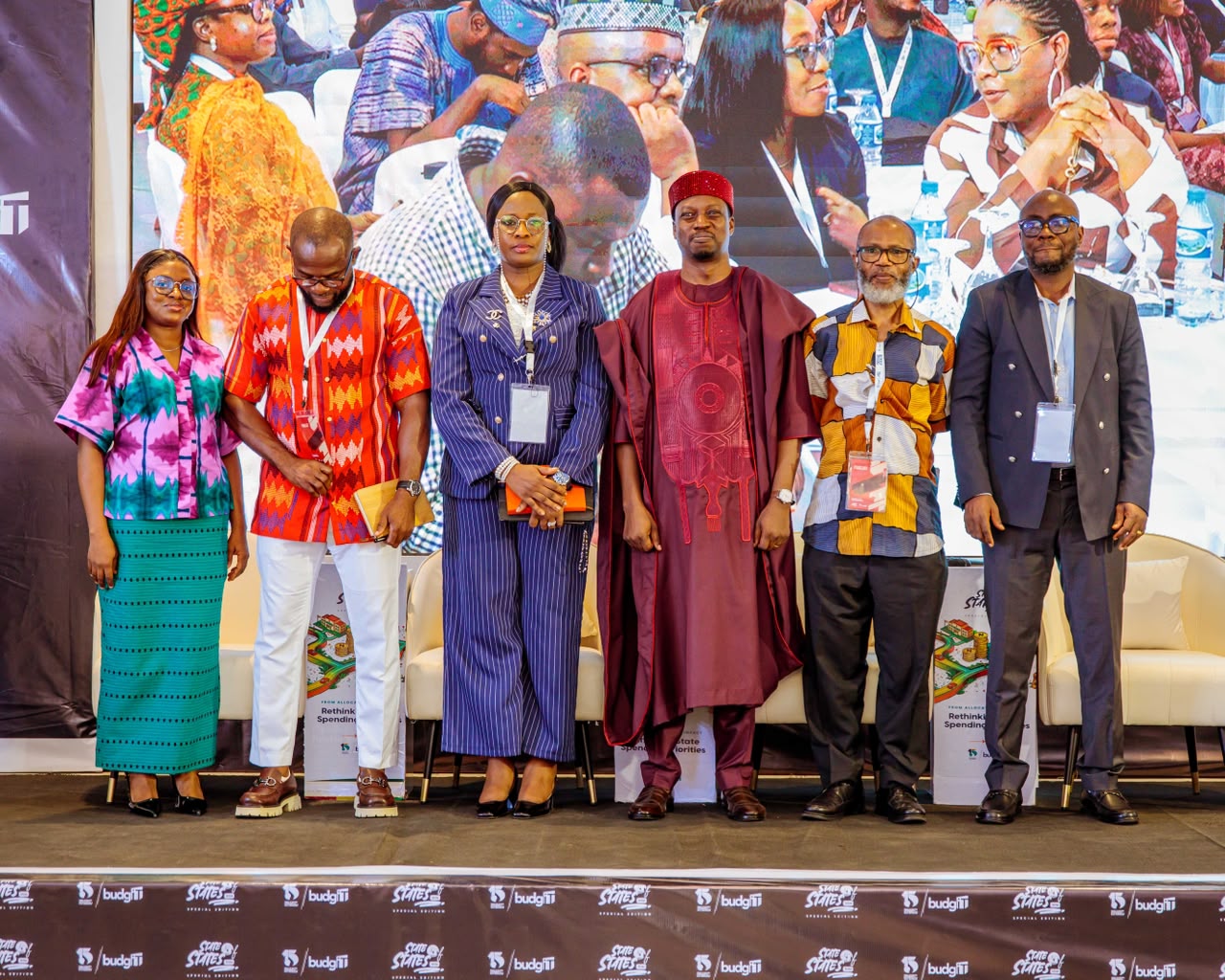
Delivering the keynote address, titled From Allocation to Impact: Rethinking States’ Spending Priorities, Dr Iboro Nelson highlighted significant funding and implementation gaps in healthcare and education.
He disclosed that the 36 states budgeted ₦1.32 trillion for healthcare in 2024 but spent only ₦816 billion, representing 61.9 per cent implementation.
Similarly, out of ₦2.41 trillion budgeted for education, the states spent ₦1.61 trillion, representing 66.9 per cent implementation.
Only seven states achieved more than 80 per cent implementation of their health budgets, while nine crossed the same threshold in education.
Nelson illustrated the spending gaps with per-capita figures, putting annual state expenditure at approximately ₦3,483 per person for healthcare and ₦6,981 for education.
The World Bank’s representative, Gloria Joseph-Raji, also expressed concern that transport infrastructure spending was growing faster than investment in education, healthcare and social protection.
She further highlighted states’ dependence on federal transfers, which averaged 73 per cent of their revenues between 2021 and 2025, excluding Lagos.
Internally generated revenue was sufficient to cover recurrent expenditure in only two states, underscoring the need to strengthen state revenue bases and improve public financial management.
In the ranking, Lagos came first with 66.97 points, followed by Enugu with 65.45 and Bayelsa with 64.30.
Delta ranked fourth with 60.66 points, while Kebbi occupied fifth position with 58.81.
Cross River came last with 22.12 points, followed by Plateau, Kogi, Osun and Ogun in the bottom five.
Rivers State was excluded for failing to provide the required audited 2025 financial statements and budget implementation reports.
BudgIT also identified gaps in Akwa Ibom’s 2025 budget implementation report, prompting the use of 2024 quarterly figures for selected critical-sector spending analysis.
Ford Foundation Programme Manager, Joy Ehinor-Esezobor, called for closer scrutiny of public expenditure, urging stakeholders to focus on the impact of government spending.
Among its proposed reforms, BudgIT recommended realistic revenue projections, zero-based budgeting, completion of existing projects before approving new ones and publication of monthly disaggregated budget implementation reports.
It also advocated performance-based cash releases and greater citizen participation in monitoring public projects, including schools, primary healthcare centres, roads and agricultural infrastructure.
The organisation proposed collaboration with its Tracka platform and state audit institutions to monitor projects and publish findings within six months.
The assessment ultimately challenges state governments to demonstrate that rising allocations and revenues are producing measurable improvements in citizens’ lives.
Author




Leave a comment