














By Samuel Akpan
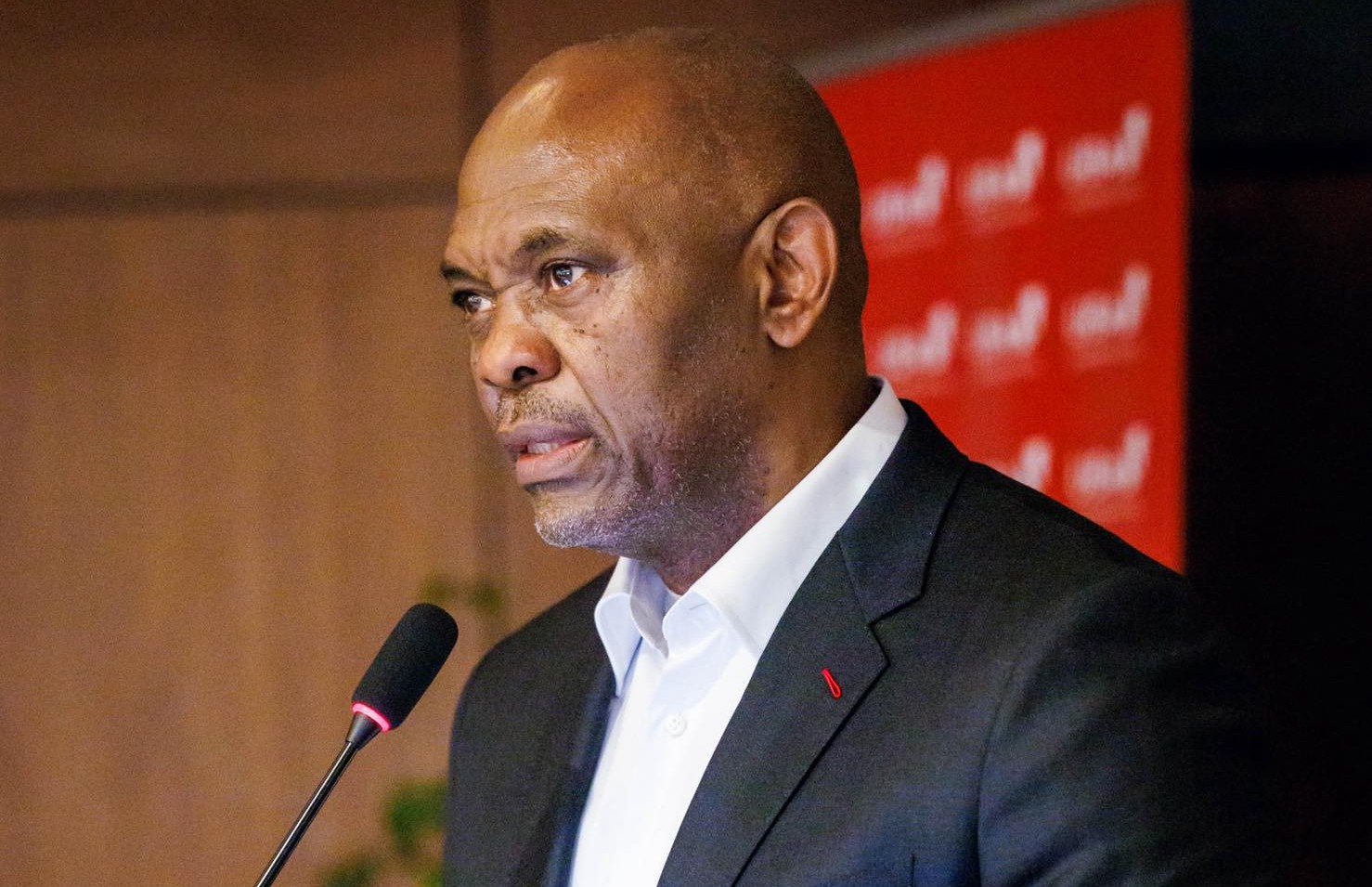
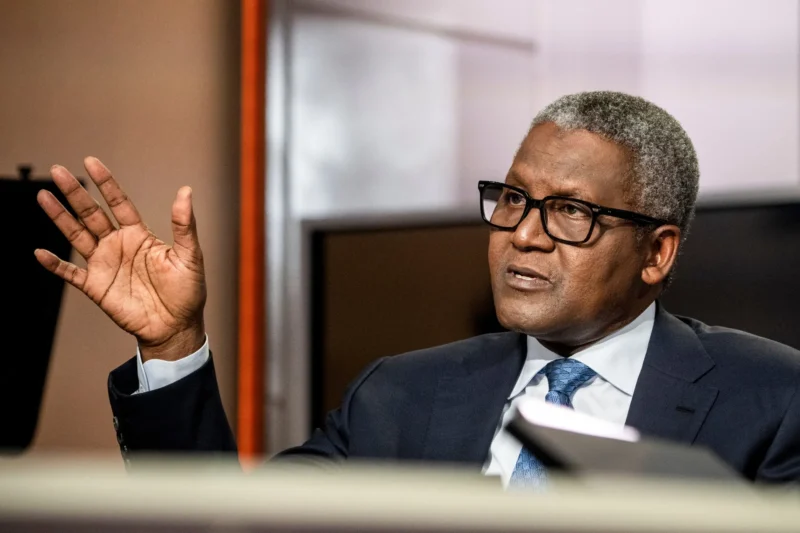
In January 2027, Tony Elumelu will take over as Chairman of Seplat Energy, replacing retiring chairman Senator Udoma Udo Udoma.
Having joined the board as a non-executive director in January 2026, Elumelu’s dual leadership at UBA and Transcorp equips Seplat with valuable strategic entry points across federal policy circles in Abuja, corporate finance, and domestic gas distribution.
Backing his leadership transition is a major equity stake. Through Heirs Energies and Heirs Holdings, Elumelu holds a combined 21.07% voting interest—equating to 126.4 million shares valued at around $1.5 billion.
The block was established after Heirs bought Maurel & Prom’s 20.07% stake for ~$496 million and subsequently purchased an additional 6 million London shares at £8.87 on September 30.
Notably, the 21.07% position grants major governance sway while staying comfortably beneath the 30% mandatory takeover trigger.
Day-to-day control of the oilfields stays with a career operator, so the shift is about ownership, capital and the tone of the 2030 plan rather than a new field model.
Roger Brown retires as chief executive on 31 July 2026, and Effiong Okon, a Shell veteran who ran ANOH Gas Processing Company through first gas in January 2026, becomes CEO on 1 August.
The board said the paired appointments are meant to keep strategy and governance steady while Seplat delivers its 2030 plan.
For a decade Maurel & Prom was the anchor shareholder and did not chair the company, but from 2027 the biggest holder will.
Elumelu has said he wants the board to deliver further value for shareholders, and that Seplat’s execution culture fits his view that indigenous capital should own and develop African resources.
PerSecondNews recalls that in June the business mogul said: “I am honoured to succeed Senator Udoma as Chairman in January 2027 and to lead the Board through Seplat Energy’s next phase of growth.
“I firmly believe in the critical role indigenous resources play in the economic transformation of Nigeria and Africa, and Seplat’s culture of execution and governance aligns strongly with my own values. I thank Senator Udoma and Roger for their stewardship and look forward to delivering further value for shareholders.
“I also congratulate Mr. Okon on his appointment as Chief Executive Officer. His deep industry experience gives me great confidence that Seplat Energy is well positioned for its next chapter of growth.”
This is an alignment rather than a new operating model, because Okon will still set drilling schedules, offtake and the field programme.
Heirs financed the original stake with African institutions, including Afreximbank and Africa Finance Corporation, and has since bought more stock at a premium to the London price.
A chairman with that much money already in the equity is less likely to press for a quick sale and more likely to back second-half drilling, the idle-well campaign and gas projects such as ANOH and Oso-BRT.
Seplat’s own frame is production of 135,000 to 155,000 barrels of oil equivalent a day in 2026, rising toward a 2030 working-interest target that falls from 200,000 to 170,000 boepd if the 10 percent SEPNU sale to NNPC closes.
Elumelu’s job is to hold the board to that plan, not rewrite it.
The political and commercial footprint gets larger because Elumelu already chairs UBA and Transcorp, including Transcorp Power, while Seplat sells gas into the domestic market.
Seplat has also signed a long-term wet-gas deal for the UTM floating LNG project, so a chairman over a major bank and a power producer can open doors on financing, offtake and Abuja.
Those same links create related-party questions that the London and Lagos boards will have to police, because Heirs Energies operates OML 17 next door to Seplat’s portfolio.
Any farm-in, gas swap or shared infrastructure between the two will need independent-director scrutiny.
Governance is the real test, because Udoma was an independent chairman who oversaw the Mobil Producing Nigeria integration and the writing of the 2030 plan.
Elumelu is a controlling shareholder in all but name, and UK listing practice still expects a majority of independent directors and a senior independent director who can challenge the chair.
At 21 percent he cannot force a scheme of arrangement, but he can shape nominations, dividend policy and the pace of the NNPC stake sale.
Management has already lifted 2026 dividend guidance, including a special distribution tied to that sale, and a heavy owner sometimes prefers cash out and sometimes reinvestment.
The company has been explicit that this is a succession plan for an already expanded producer, not a change of control, and the market has already priced much of that story because the stock is up sharply since the December 2025 deal.
From January the question is whether the new chairman protects the independent board, keeps Okon focused on barrels and uptime, and treats the 21 percent stake as patient capital rather than a platform for side deals.
The commercial prize he inherits is already producing, with Seplat averaging 149,070 barrels of oil equivalent a day in the second quarter of 2026, 15 percent above the first quarter and 9 percent above a year earlier after onshore evacuation returned to normal.
First-half working-interest production settled at 139,509 boepd, up 4 percent from 134,492 boepd in the first six months of 2025 and inside the full-year band of 135,000 to 155,000 boepd.
Management said the half-year run-rate is tracking the midpoint of that guidance.
The first-half mix was 99,518 barrels of oil and condensate a day, 182.9 million standard cubic feet of gas a day, and 8,459 barrels a day of natural gas liquids.
NGL output more than doubled from 3,772 bopd a year earlier after the offshore EAP recovery plant settled in.
Onshore assets supplied 60,690 boepd in the half, an 11 percent year-on-year rise, while offshore volumes were 78,819 boepd, down 1 percent, and still the larger share of group output.
Second-quarter onshore working interest recovered to about 70,600 boepd once the Trans Forcados Pipeline resumed on 24 March after a 38-day unplanned outage that had cut Western Asset flow in the first quarter.
Elcrest was a clear onshore bright spot, with working-interest crude and condensate averaging 13,478 bopd in the half, 31 percent higher than a year earlier, helped by Opuama-8 and Opuama-9 and better offtake at Abiala.
Eastern Assets also improved in the second quarter as well performance strengthened, third-party deferments eased and ANOH gas, which started in January, began to contribute.
The former ExxonMobil shallow-water blocks, OMLs 67, 68, 70 and 104, held at 40 percent, remained the single largest engine, averaging 76,390 boepd in the half, including the NGL stream.
Yoho field problems kept that complex slightly below last year’s oil rate and were cited when unit operating-cost guidance was raised to $14.50 to $15.50 per barrel of oil equivalent.
Brownfield work offset some of that drag, as Seplat restored 24 idle wells in the first half, adding about 26,000 barrels a day of gross joint-venture capacity, and kept a 50-well target for the full year.
Gas production in the second quarter rose 26 percent from the first quarter to 204.0 million standard cubic feet a day as onshore plants and ANOH ramped.
Year-end 2025 audited 2P reserves stood at 1,001 million barrels of oil equivalent, a modest decline from 1,043 million a year earlier after a maintenance-heavy programme.
Combined 2P and 2C resources rose to 2,486.6 million barrels of oil equivalent, and at 2025 production the 2P reserves implied a life of about 21 years.
Full-year 2026 guidance is unchanged for now, with production of 135,000 to 155,000 boepd and capital spending of $360 million to $440 million, most of the drill-bit work loaded into the second half.
The company has signalled crude and condensate roughly flat on 2025, natural gas liquids up about 85 percent and gas up about 30 percent.
That production frame will be restated once Seplat completes the agreed sale of a 10 percent working interest in the NNPCL–SEPNU joint venture to NNPC Ltd for a headline $281.6 million.
SEPNU would drop from a 40 percent to a 30 percent interest but remain operator.
Seplat has said the offshore vehicle accounts for about 80,000 boepd of the current group midpoint and would contribute about 65,000 boepd after close, with the 2030 working-interest target revised from 200,000 to 170,000 boepd.
For 2025 as a whole, group production averaged 131,506 boepd after the Mobil Producing Nigeria assets were consolidated, a 148 percent jump on 2024 and the base from which this year’s guidance was set.
The first half of 2026 shows that enlarged system is producing, if still unevenly, with onshore recovery doing the heavy lifting until offshore integrity work and the second-half drilling programme catch up.
Author






Leave a comment