







By Omoyeni Ojeifo
For millions of persons with disabilities seeking equal opportunities in the Federal Capital Territory (FCT), advocates stress that changing public perception begins with media representation.
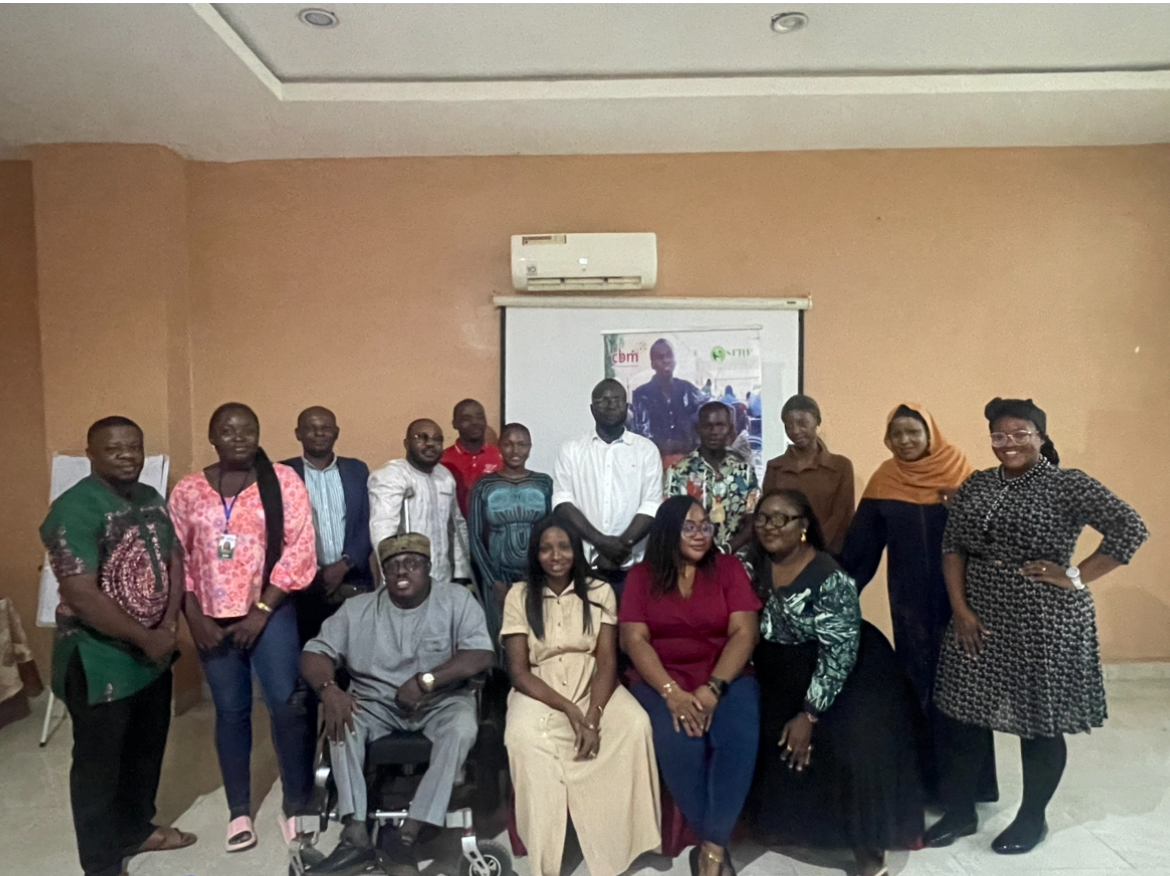
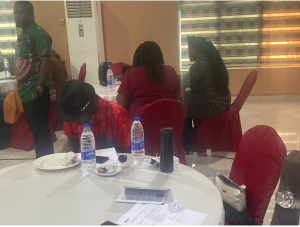
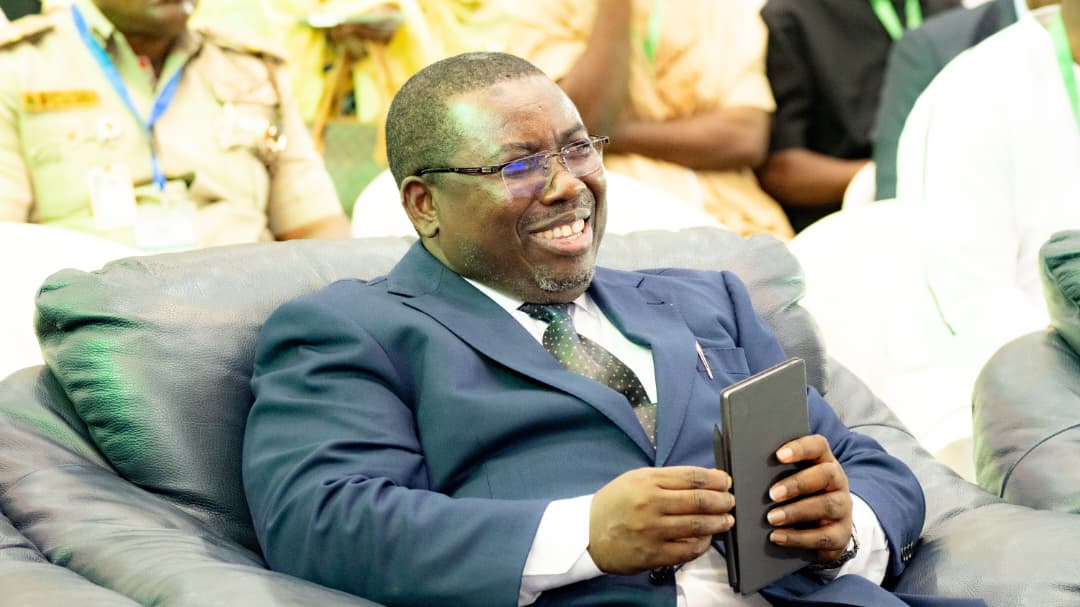
According to a Persecondnews correspondent, the event brought together advocates and journalists to discuss how the press can break down stereotypes, foster inclusion, and ensure persons with disabilities are actively represented in public discourse.
Addressing participants, the Project coordinator, Sunday Mary, said the three-year initiative, supported by CBM International, is focused on advocating for the establishment of a disability commission in the FCT to promote, protect and prioritise the rights of persons with disabilities.
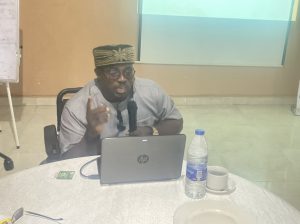
She said the training was organised to equip journalists with the right knowledge, reporting skills and terminologies needed to avoid discriminatory narratives when covering disability issues.
“We brought the media here to build their capacity on what they need to know about disability, how they are supposed to go about awareness campaigns and advocacy, and the reporting terminologies to avoid discriminatory phrases,” she said.
Also speaking, Chris Agbo, Executive Director of Qualitative Magazine and Chairman of the National Association of Persons with Physical Disabilities, FCT Chapter, said the media remains a critical partner in changing misconceptions and amplifying the voices of persons with disabilities.
“The media is very vital. The media is key when it comes to amplifying the voices of persons with disabilities, changing the narrative and helping to create the desired change when it comes to disability inclusion within our society.”
Agbo said the Federal Capital Territory requires a dedicated disability commission because issues affecting persons with disabilities deserve more attention and proper coordination.
He added:“When it comes to the Federal Capital Territory, we don’t actually have a representation of persons with disabilities. The FCT administration is not capturing the activities of persons with disabilities or promoting their welfare.”
He insisted that disability inclusion must translate into practical solutions, including accessible infrastructure, employment opportunities, healthcare and education.
“We want to see an FCT where buildings will be accessible, where persons with disabilities will have employment, where social protection will cover them, where health is accessible and where education becomes available.”

Also speaking, Musa Muazu Musa, a disability advocate and Secretary of the Federal Capital Territory (FCT) chapter of the National Association of Persons with Physical Disabilities , urged the media to move beyond reporting persons with disabilities only from the perspective of their challenge.
He stressed that they should also be recognised for their expertise and contributions across different fields.
“When you want to talk about disability, remember that there is diversity in disability. If my challenge is structural, another person’s challenge may be communication or interpretation. Respecting that diversity helps us achieve more.”
Musa called on media organisations to adopt accessible communication methods, including captioning and sign language interpretation, to ensure persons with disabilities are not excluded from receiving information.
“The media should give persons with disabilities the opportunity to speak on every issue, not only disability. We are also politicians, professionals and experts in different fields, and our voices should be heard,” he said.
He stressed that persons with disabilities must be actively involved in decisions and policies affecting them.
“Nothing about us without us. If you must achieve disability inclusion, you must involve persons with disabilities. But when you involve people, ensure they understand the issue.”
Persecondnews correspondent reports that participants at the engagement recommended that disability reporting capacity building should target media institutions rather than only individual journalists, ensuring inclusive reporting practices are sustained across news organisations.
Author





Leave a comment