














By Omoyeni Ojeifo
Debates over Nigeria’s economic trajectory have intensified, highlighting a sharp divide between the ruling party and the opposition.
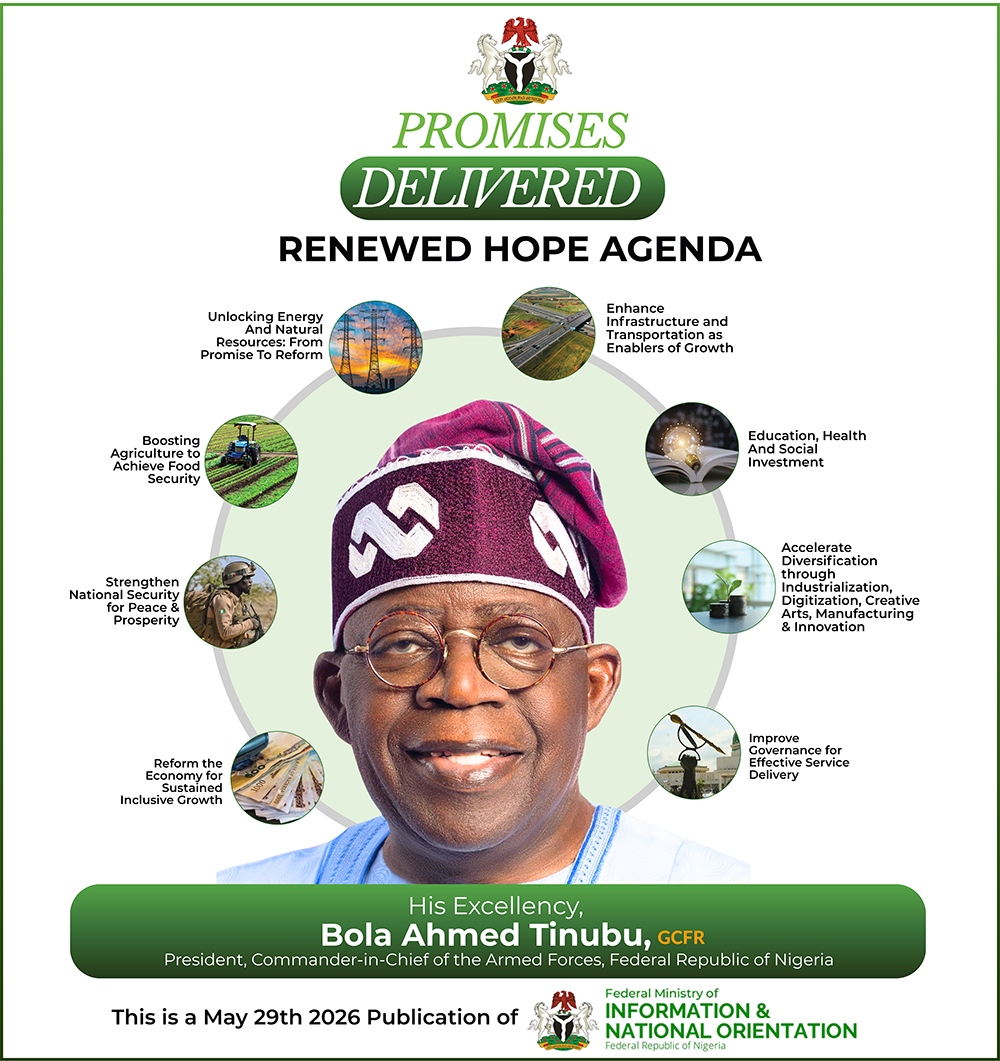
Appearing on Channels TV on Sunday, monitored by Persecondnews, All Progressives Congress (APC) National Publicity Secretary Felix Morka strongly defended President Bola Tinubu’s agenda, arguing that current reforms are successfully stabilizing the macroeconomy and restoring investor confidence.
Conversely, Social Democratic Party (SDP) presidential candidate Prince Adewole Adebayo offered a starkly contrasting critique, pointing to worsening inflation and rising poverty levels.
“What we are seeing is a gradual restoration of macroeconomic stability. Corporate performance is improving, dividends are rising, and investor confidence is returning,” he said.
He argued that improvements in corporate earnings, sectoral expansion, and capital market performance reflect an economy on a recovery path.
Morka maintained that the reforms, though painful, are necessary structural adjustments aimed at long-term stability.
“There will be short-term pain, but these reforms are laying the foundation for sustainable growth and broader prosperity.”
He also stressed that subnational governments play a key role in service delivery and should be considered in evaluating economic outcomes.
In contrast, SDP’s Adebayo, argued that macroeconomic indicators being cited by the government do not reflect the lived reality of Nigerians.
“What is being presented as economic progress is not what Nigerians are experiencing. People are poorer, inflation is higher, and purchasing power is collapsing,” Adebayo said.
He pointed out that rising unemployment and poverty levels indicate that more citizens are struggling despite official claims of improvement.
Adebayo maintained that there is a widening disconnect between economic statistics and everyday survival.
“There is a gap between the figures being announced and what is happening in households across the country.”
He further argued that currency devaluation and fiscal adjustments have significantly weakened real incomes.
Adebayo insisted that federal economic policies ultimately shape the environment in which states and households operate.
“You cannot separate federal policy from the suffering of ordinary Nigerians. The impact is direct and unavoidable,” he stressed.
He added that Nigerians cannot be asked to endure prolonged hardship in the name of future economic gains.
Morka, however, maintained that early indicators of recovery are already visible in key sectors of the economy, noting that improved business activity and investor confidence show that the reforms are beginning to yield results.
He insisted that structural reforms take time before translating into improved household welfare.
Adebayo, on his part, rejected the position that recovery is underway in any meaningful sense, insisting that the claimed improvements exist only in economic data and not in real life.
He argued that inflation and unemployment trends contradict official optimism about recovery.
Persecondnews reports that the exchange highlighted deep divisions over whether Nigeria’s ongoing economic reforms are delivering tangible relief to citizens or deepening economic hardship across households and communities.
Author









Leave a comment