











By Omoyeni Ojeifo
Nigeria has reinforced its public health defence system following fresh Ebola outbreaks in parts of Africa, amid growing concerns over possible cross- border transmission within the region.
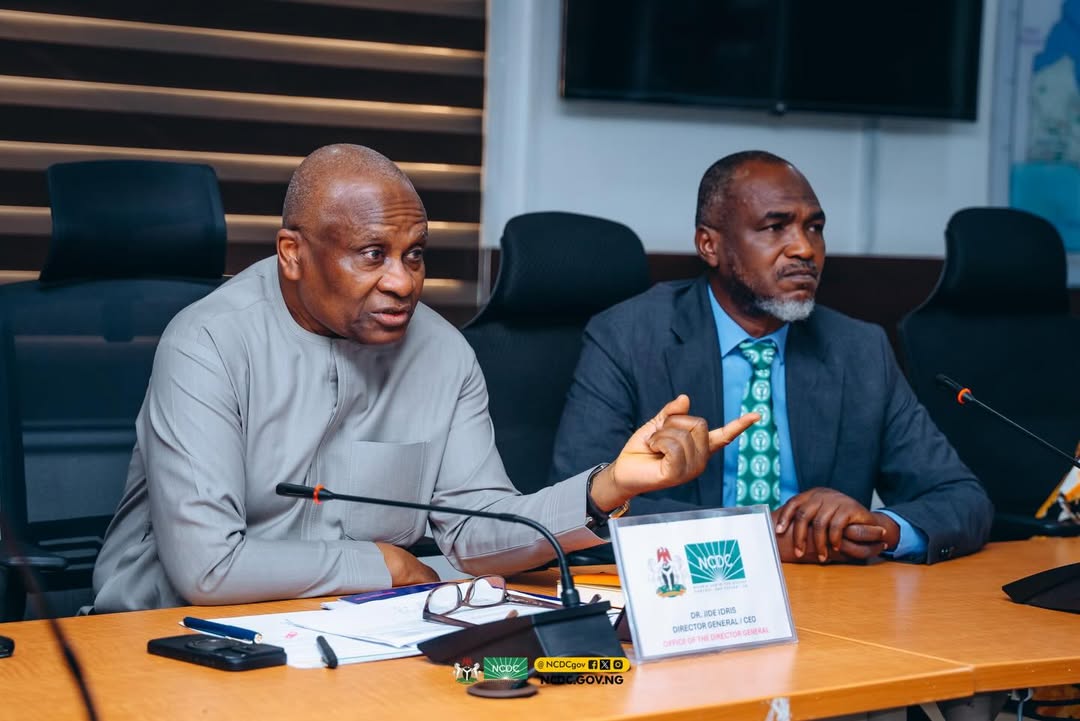
This is contained in a public health alert issued on Saturday by the Director- General of the Nigeria Centre for Disease Control and Prevention (NCDC), Dr. Jide Idris, on Sunday in Abuja obtained by Persecondnews.
According to Idris, the agency is collaborating with the Port Health Service under the Federal Ministry of Health and Social Welfare, as well as other relevant partners, to stop any possible entry of the virus into the country.
He said the alert follows confirmed Ebola infections in the Democratic Republic of Congo and an imported case recorded in neighbouring Uganda.
Although Nigeria has recorded no case, the agency warned that increased cross border movement across the region has raised the risk of importation, prompting tighter surveillance at entry points and stronger monitoring within the health system.
It noted that response efforts are already ongoing in affected countries, where health authorities have activated measures to curb the spread.
Authorities described Ebola, as a severe and highly infectious viral disease transmitted through direct contact with infected blood, body fluids, secretions or contaminated materials from humans or animals.
To boost national readiness, the NCDC said it has widened event triggered surveillance across Nigeria, improved laboratory capacity for faster confirmation of suspected cases, strengthened infection prevention and control practices in healthcare facilities, and stepped up public risk messaging alongside community outreach efforts.
“We continue to maintain surveillance systems for Ebola and other epidemic prone diseases while closely monitoring regional and global developments,” it stated.
The NCDC urged Nigerians to remain calm and avoid misinformation, stressing that no confirmed case has been recorded in the country.
It further advised strict hand hygiene, avoidance of contact with body fluids of sick persons, caution against bushmeat from unknown sources and prompt reporting of unusual illnesses to health facilities.
The agency urged healthcare personnel to stay alert for possible cases, ensure rapid isolation of any suspected infections, consistently use approved protective gear, and escalate reports promptly through established health reporting systems.
It further reassured Nigerians that it will continue to issue timely briefings as the situation unfolds and new developments emerge.
Persecondnews recalls that the resurgence of the deadly disease was first confirmed on May 15 2026, when health authorities in the DRC and Uganda activated emergency response measures.
The disaster began on July 20, 2014, when Patrick Sawyer, a Liberian-American diplomat, collapsed at the Murtala Muhammed International Airport in Lagos after flying in from Liberia.
Sawyer was already symptomatic and had escaped medical isolation in Liberia, where his sister had recently died of Ebola.
He was taken to First Consultants Medical Centre (FCMC), a private hospital in Obalende, Lagos. Sawyer initially lied to medical staff, claiming he had not been exposed to anyone with Ebola and was just suffering from malaria.
Dr. Ameyo Stella Adadevoh
If there is one name that symbolizes Nigeria’s victory over Ebola, it is Dr. Ameyo Stella Adadevoh, the lead consultant physician at the hospital.
Despite Sawyer’s claims of malaria, Dr. Adadevoh’s clinical intuition told her otherwise.
She suspected Ebola—a disease Nigeria had never seen before—and immediately ordered him to be isolated.
Liberian officials and Sawyer himself placed immense pressure on Dr. Adadevoh to discharge him so he could attend a diplomatic conference in Calabar. They even threatened lawsuits.
Dr. Adadevoh stood her ground and refused to let him leave. Her defiance single-handedly prevented Sawyer from taking a public flight and spreading the virus into the wider Nigerian population.
Sadly, because of her close contact with him during diagnosis, Dr. Adadevoh and several of her staff contracted the virus.
She passed away on August 19, 2014, sacrificing her life to save millions of Nigerians and was immortalized by Federal and the Lagos State Governments.
Author







Leave a comment