













By Joycelyn Ellakeche Adah
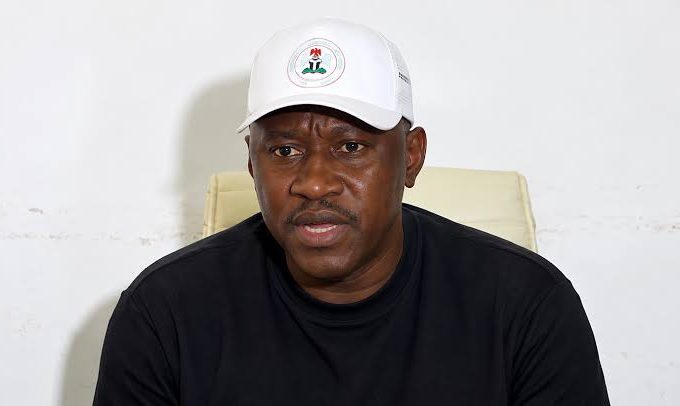
National power generation across the country has stagnated between 4,500MW and 5,000MW for over two decades, according to the General Manager, the Transmission Company of Nigeria (TCN),
Benin Region, Engr. Charles C. Iwuamadi.
He noted that while power generation has stagnated, transmission capacity both in Edo State and across the country has continued to expand.
Persecondnews recalls that ex-Minister Adebayo Adelabu had frequently referred to the inability to consistently surpass 4,000MW as a “jinx” that has plagued the country for decades.
He stated that the administration’s primary goal was to break this cycle.
In early 2024, he pledged to ramp up generation to 6,000MW by the end of the year, admitting that the country had been stuck in the 4,000MW range for far too long.
In March 2025, the Minister claimed the grid hit a peak of 5,801MW, though fact-checkers and industry experts often debate whether “available capacity” (what we could produce) is being conflated with “actual evacuation” (what actually reaches your home).
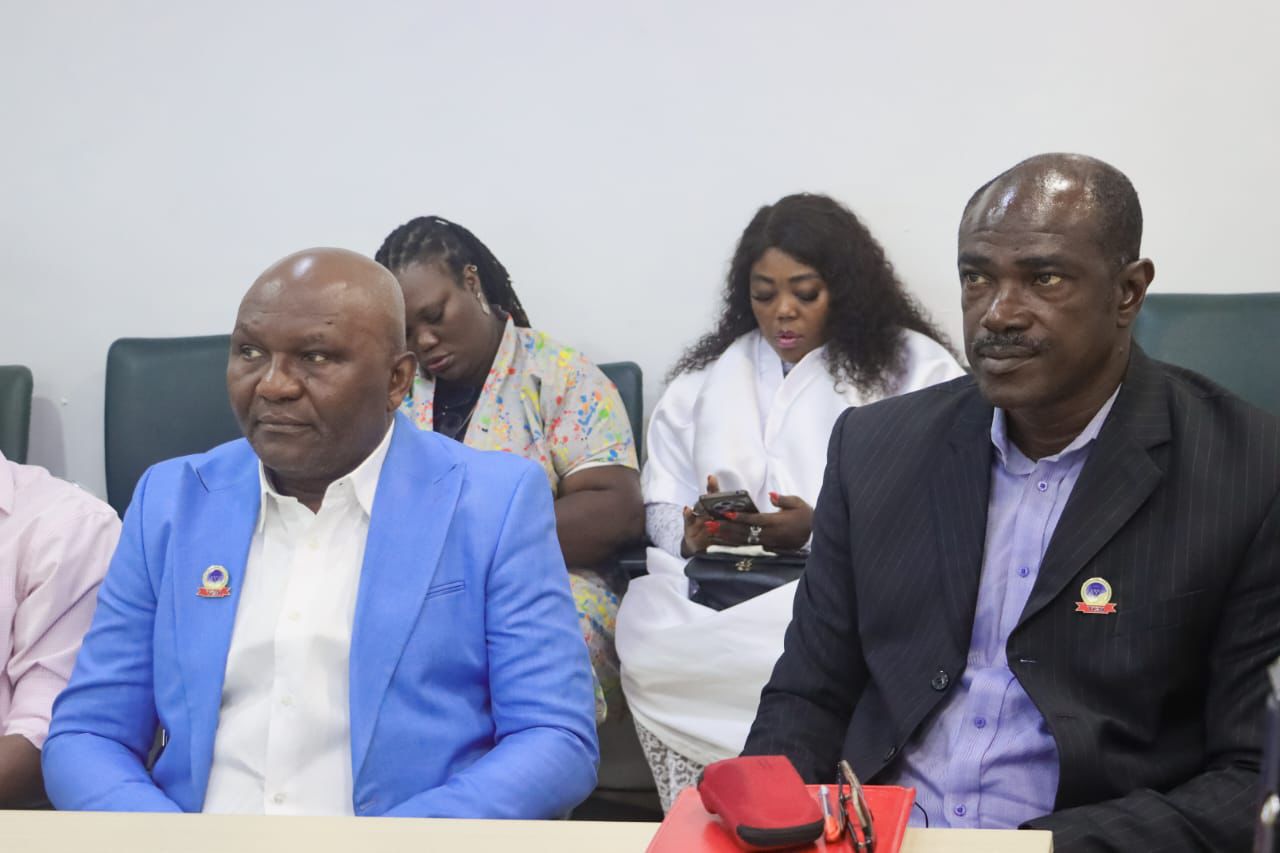
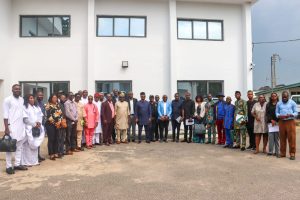
Persecondnews reports that Iwuamadi spoke at a stakeholders’ engagement convened by the Edo State Ministry of Power in Benin City with officials of the Transmission Company of Nigeria (TCN), alongside generation and distribution companies, regulators, and community representatives in attendance.

Following mounting frustration over persistent power outages in Edo State, the government was constrained to bring key players in the electricity sector to the table in a renewed push to stabilise supply and address long-standing system failures.
Iwuamadi, described the transmission company as the backbone of Nigeria’s electricity value chain, responsible for moving bulk power from generation companies to distribution centres nationwide.
He highlighted ongoing infrastructure upgrades aimed at strengthening supply in the Benin axis, including the newly commissioned Ihovbor – Ajaokuta transmission line and the ongoing turn in- turn out project at the Irrua substation.
According to him, these projects are expected to improve bulk power delivery and system reliability upon completion.
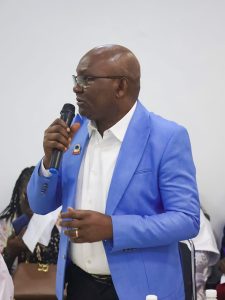
He further explained that the region operates on an N-1 contingency framework, which provides backup lines in the event of faults, enabling quicker restoration of supply.
Edo State, he added, currently benefits from its proximity to key generation sources such as the Azura Power Plant, allowing for relatively swift power recovery when disruptions occur.
Despite these improvements, Iwuamadi warned that vandalism remains a major threat to transmission infrastructure, undermining investments and delaying progress.
He called on the state government and host communities to intensify efforts to safeguard critical assets, while also urging authorities to remove illegal encroachments along transmission corridors.
According to him, compensation had already been paid for affected lands prior to the installation of transmission facilities.
He disclosed that security agencies, including the DSS and the Nigeria Security and Civil Defence Corps, have arrested several suspects linked to vandalism, but stressed that more coordinated action is required to deter further attacks.
On operational efficiency, the TCN boss underscored the importance of routine preventive maintenance, noting that strict adherence to maintenance schedules is key to sustaining equipment performance.
He urged distribution companies to adopt similar standards to strengthen their networks and improve service delivery to consumers.
Also speaking, the Assistant General Manager, System Operations, Engr. Patrick Amos, clarified that while TCN is responsible for transmitting electricity to distribution companies’ load centres, the final delivery of power to end users lies solely within the purview of the distribution companies.
A high-level group of stakeholders—including Azura Power, the Niger Delta Power Holding Company, and various civil society groups—met to address the state’s energy needs.
However, stakeholders warned that the talks would only bear fruit if they were backed by collective action and better protection of the state’s power infrastructure.
Author









Leave a comment