















By Omoyeni Ojeifo
In a significant push for agricultural reform, ActionAid Nigeria spearheaded advocacy efforts at the Abuja launch of the Revised National Gender Policy in Agrifood Systems (2025–2030) on Tuesday.
The event brought together key stakeholders to unveil a five-year strategic roadmap aimed at correcting systemic imbalances in the sector.
According to Persecondnews, the summit centered on two primary objectives:
* Increasing the active role of women in the agricultural workforce.
*Ensuring equitable access to resources and opportunities across the board.
Reinforcing the government’s stance, the Minister of State for Agriculture and Food Security, Senator Dr. Aliyu Sabi Abdullahi, pledged that the administration is fully committed to the policy’s execution.
He noted that effective implementation is not just a matter of social equity, but a vital necessity for driving Nigeria’s broader agricultural transformation.
He said while discussions around gender inclusion in agriculture have persisted over time, the revised framework now provides clearer direction for coordinated national action.
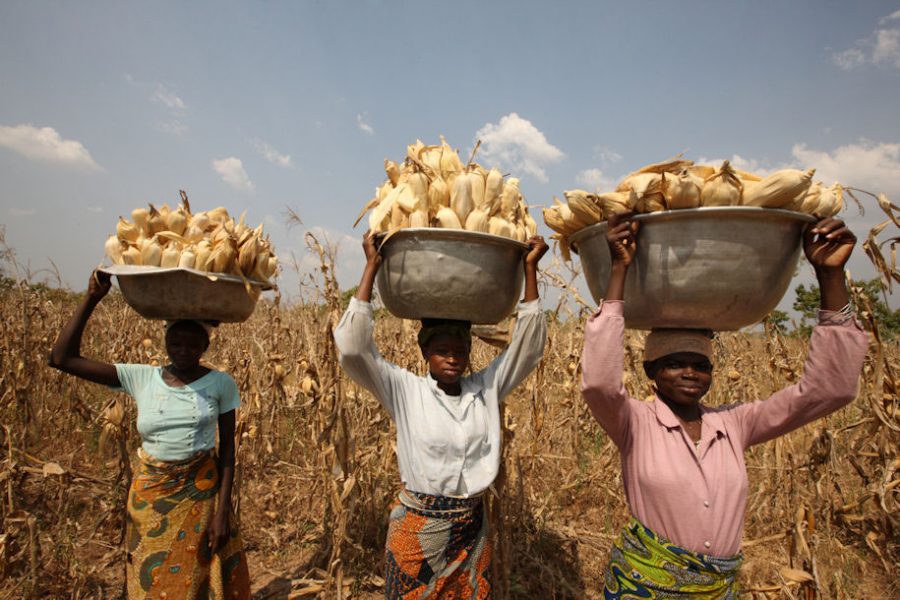
The Minister noted that women constitute between 40 and 70 per cent of the agricultural workforce depending on the value chain, yet continue to face limited access to productive resources.
“If you look at resource allocation, women are disadvantaged with only about 2 per cent access, yet they contribute more than 50 per cent of agricultural output,” he said.
He stressed the need to realign agricultural planning to reflect women’s contributions and ensure equitable participation in the sector.
Abdullahi also highlighted structural challenges such as limited access to maternity benefits, pensions and social protection systems for women in agriculture.
“We must move from commitment to action. All stakeholders must integrate this policy into their programmes, plans and budgets, with strong monitoring and accountability.”
Delivering a keynote on behalf of ActionAid Nigeria, Olufunmilola Olukeye, representing Country Director Dr. Andrew Mamedu, described the revised policy as a defining step toward a more equitable agrifood system.
She said the framework places gender equity and social inclusion at the centre of agricultural transformation, recognising women, youth and persons with disabilities as key actors in food security and development.
She added that the policy emerged from broad consultations across Nigeria’s six geopolitical zones involving government, civil society, development partners and farming communities.
“The success of this policy will not be measured by its launch, but by how effectively it is implemented,” she said.
She reaffirmed ActionAid’s commitment to supporting advocacy, budget tracking and accountability for effective implementation.
A representative of the Deutsche Gesellschaft für Internationale Zusammenarbeit (GIZ) said the organisation remains committed to supporting Nigeria’s agrifood transformation through capacity building, strengthened systems and evidence-based decision-making.
The agency emphasised that continued collaboration with government and development partners would ensure effective implementation of the revised policy.
“We are confident that through continued collaboration, this policy will help advance gender equality, improve food security, create economic opportunities and support sustainable development in Nigeria,” he said.
GIZ congratulated the Federal Government and stakeholders on the launch of the policy, describing it as a significant milestone for the agricultural sector.
Dr. Rufus Idris, Country Director for Nigeria at AGRA, said transforming Africa’s food systems requires stronger gender inclusion strategies.
He noted that women remain central to agricultural production but continue to face systemic barriers in access to resources.
“We are committed to supporting the implementation and domestication of this policy across states. The journey is just beginning,” he said.
Mercy Nnanna, the FCT Chairperson of the Small-Scale Women Farmers Association of Nigeria (SWOFON), said women farmers remain the most overlooked group despite their critical contribution to food production.
“The missing voice in Nigeria’s development sector is the rural woman farmer, and yet we are not being valued,” she lamented.
She called for stronger recognition and support systems for women in agriculture.
Faith Peter, FCT Coordinator of the Young Farmers Association of Nigeria (YOFIN), said youth involvement in agriculture is growing but requires sustained support.
She commended ActionAid Nigeria for giving young farmers a platform to be heard.
“You brought us out of our fields to show that our voices matter,” she said.
She urged government to expand interventions to make agriculture more attractive and sustainable for young people.
Persecondnews reports that the session closed with a unified appeal: the policy must move beyond paper to provide tangible economic benefits for the youth, women, and various actors driving the agrifood sector.
Author






Leave a comment