













Nigeria is accelerating a major drive to tap its enormous marine and blue economy resources, fuelled by sweeping policy changes, fresh infrastructure projects, and a strategic shake-up of institutions under President Bola Tinubu administration.
Speaking at an industry forum in Lagos, Nigerian Ports Authority Managing Director/CEO, Dr. Abubakar Dantsoho said: “The time has come for a paradigm shift in the structure of Nigeria’s economy towards the full utilisation of our marine resources. Our port system, if properly harnessed, can serve as a major driver of economic growth.”
Dantsoho reiterated that the African Continental Free Trade Area is dismantling barriers across the continent, adding that efficiency not geography will decide which nations control future cargo routes.
He cautioned that Nigeria’s geographical advantage alone is no longer sufficient, pointing out that efficiency, speed, innovation and reliability will define leadership in this new era.
For years, the country’s ports have managed more than 90 per cent of national cargo by volume and served as the main entry point for global trade.
That challenge is now being tackled decisively through a comprehensive reset.
Minister of Marine and Blue Economy Adegboyega Oyetola emphasised that the reform agenda is not Lagos-centric, stating: “We are committed to balanced and inclusive development of port infrastructure across the country.”
The overhaul gained fresh momentum with National Assembly approval of a $1 billion loan to rehabilitate the Lagos Port Complex and Tin Can Island Port—key gateways long plagued by decades-old shortcomings.
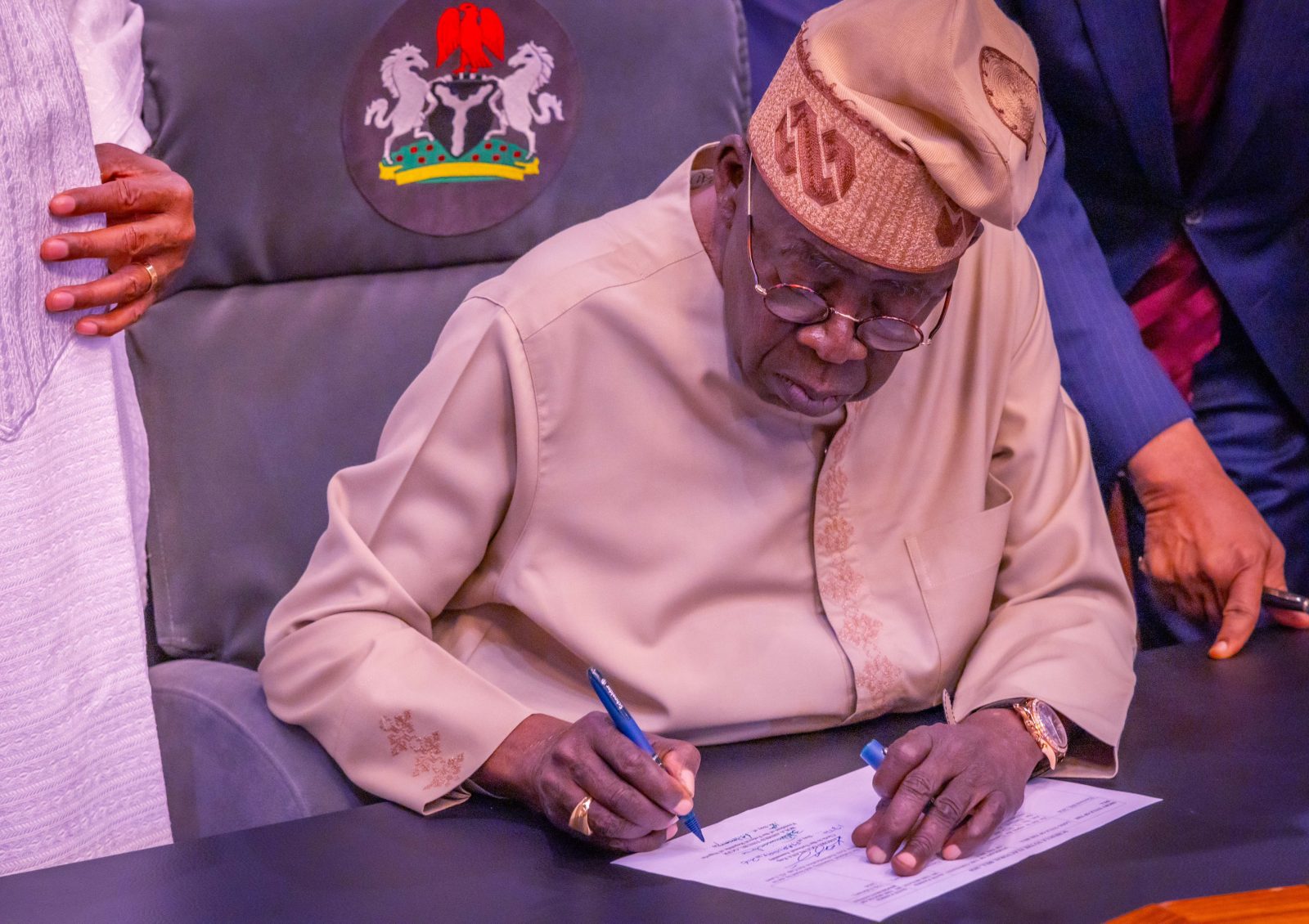
President Tinubu had described the initiative as vital for fixing infrastructure gaps, boosting efficiency and safety, and sharpening Nigeria’s global competitiveness while aligning with the National Integrated Infrastructure Master Plan and advancing non-oil exports plus trade diversification.
At the operational frontline, the NPA has launched targeted upgrades at Apapa and Tin Can Island ports, including berth expansion, better cargo-handling systems and shorter vessel turnaround times.
Similar modernisation drives are now extending nationwide, with procurement processes active for improvements at Warri, Port Harcourt, Onne and Calabar ports.
Beyond repairs, fresh deep-sea port projects are rising along coastal states, while the already operational Lekki Deep Sea Port is transforming the sector by handling larger vessels and significantly lifting overall cargo volumes.
These moves, backed by legislative support, financing, regulatory tweaks and digital innovation, are designed to position Nigeria as West Africa’s premier trade hub and the undisputed centre of intra-African commerce under AfCFTA.
Persecondnews reports that the African Continental Free Trade Area (AfCFTA), which entered into force in 2021, is fundamentally reshaping maritime trade across the continent by slashing tariffs, eliminating non-tariff barriers, and creating a single market for over 1.3 billion people.
This is driving a sharp rise in intra-African trade volumes, with direct and profound implications for ports as the critical gateways for seaborne cargo.
Projections from UNCTAD and the UN Economic Commission for Africa (UNECA) indicate that AfCFTA could boost intra-African trade by up to 33% (potentially doubling with full non-tariff barrier removal), while maritime cargo transported by vessels is expected to more than double—from 58 million tons to 132 million tons by 2030.
Africa’s maritime fleet could grow by 188% for bulk cargo and 180% for containers if supporting infrastructure is put in place.
This trade explosion shifts the competitive landscape for ports: geography alone is no longer enough. Efficiency—faster turnaround times, lower costs, digital processes, and reliable hinterland connectivity—will determine which ports capture the bulk of new cargo flows.
Inefficient facilities risk losing out as shippers reroute to better-performing hubs, while modernized ports stand to become regional powerhouses, handling larger vessels and supporting diversified trade in manufactured goods, agro-processed products, and services.
Nigeria’s Ports: High Stakes Under AfCFTA
Yet inefficiencies—congestion, dwell times averaging 13 days (far above the global four-day standard), bureaucratic hurdles from multiple agencies, and poor hinterland links—have led to about 60% of Nigeria-bound containers being diverted to ports in Ghana, Togo, Benin, and Côte d’Ivoire.
Despite controlling over 60% of West Africa’s GDP, Nigeria currently handles only about 25% of the region’s cargo traffic.
Author








Leave a comment