








By Omoyeni Ojeifo
David Aworawo, a Professor of International Relations at the University of Lagos, has warned that Mali’s ECOWAS exit is exacerbating the sub- region’s security crisis.
Speaking on Arise News monitored by Persecondnews on Monday, Aworawo argued that no West African nation can tackle insurgency alone, noting that Mali is now feeling the sting of losing the collective intelligence and diplomatic support the regional bloc provides.
He noted that Mali, alongside Niger and Burkina Faso, began the process of leaving ECOWAS in January 2024, a move that was later completed after the six-month withdrawal window expired on January 29, 2025 without reversal.
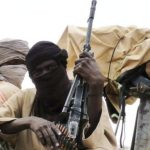
He said this development has significantly reduced Mali’s access to coordinated regional support at a time when jihadist attacks are intensifying and threatening state stability.
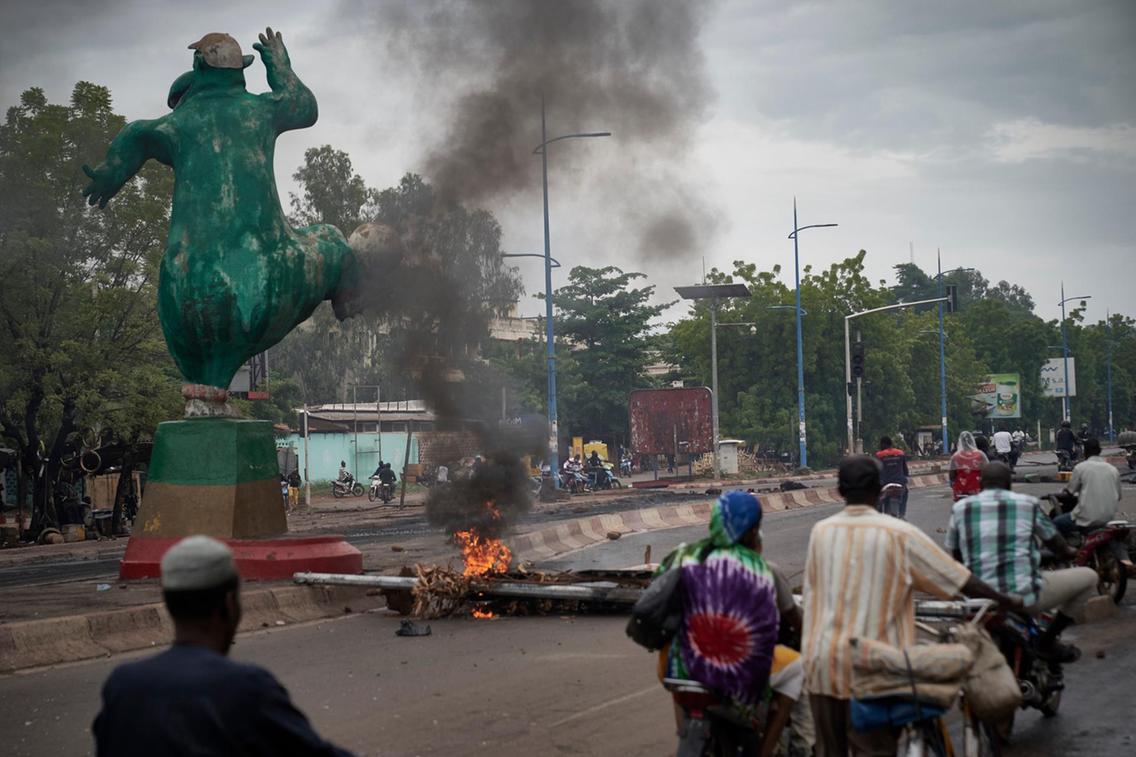
According to him, the security situation has deteriorated to the extent that insurgent groups are expanding their operations and moving closer to Bamako, the capital, creating fears of a broader collapse if urgent action is not taken.
Aworawo stressed that ECOWAS membership would have offered Mali structured military assistance and stronger diplomatic backing to manage such threats, adding that the absence of these mechanisms has left the country more exposed.
He maintained that the crisis underscores the importance of regional cooperation, insisting that West African states are more effective when they act collectively rather than individually.
“The lesson is clear, no country in West Africa can tackle these challenges alone,” he said, adding that joint action remains essential to addressing insecurity across the sub region.
Aworawo further cited the assassination of General Sadio Camara, Mali’s Defence Minister, as evidence of a failing security apparatus.
He argued that this attack near the capital serves as a clear indicator of the heightened vulnerability Mali faces following its regional withdrawal.
Furthermore, he emphasized a broader geopolitical risk: the consolidation of jihadist movements in Mali could serve as a catalyst for wider regional destabilization.
He also argued that reliance on external partners has not provided sustainable solutions, noting that foreign interventions are often shaped by strategic interests rather than long term regional stability.
Aworawo called for renewed engagement and cooperation among West African states, urging Mali to reconsider its position and return to stronger regional alignment in order to effectively confront its security crisis.
Author




Leave a comment