














By Joycelyn Ella’keche Adah
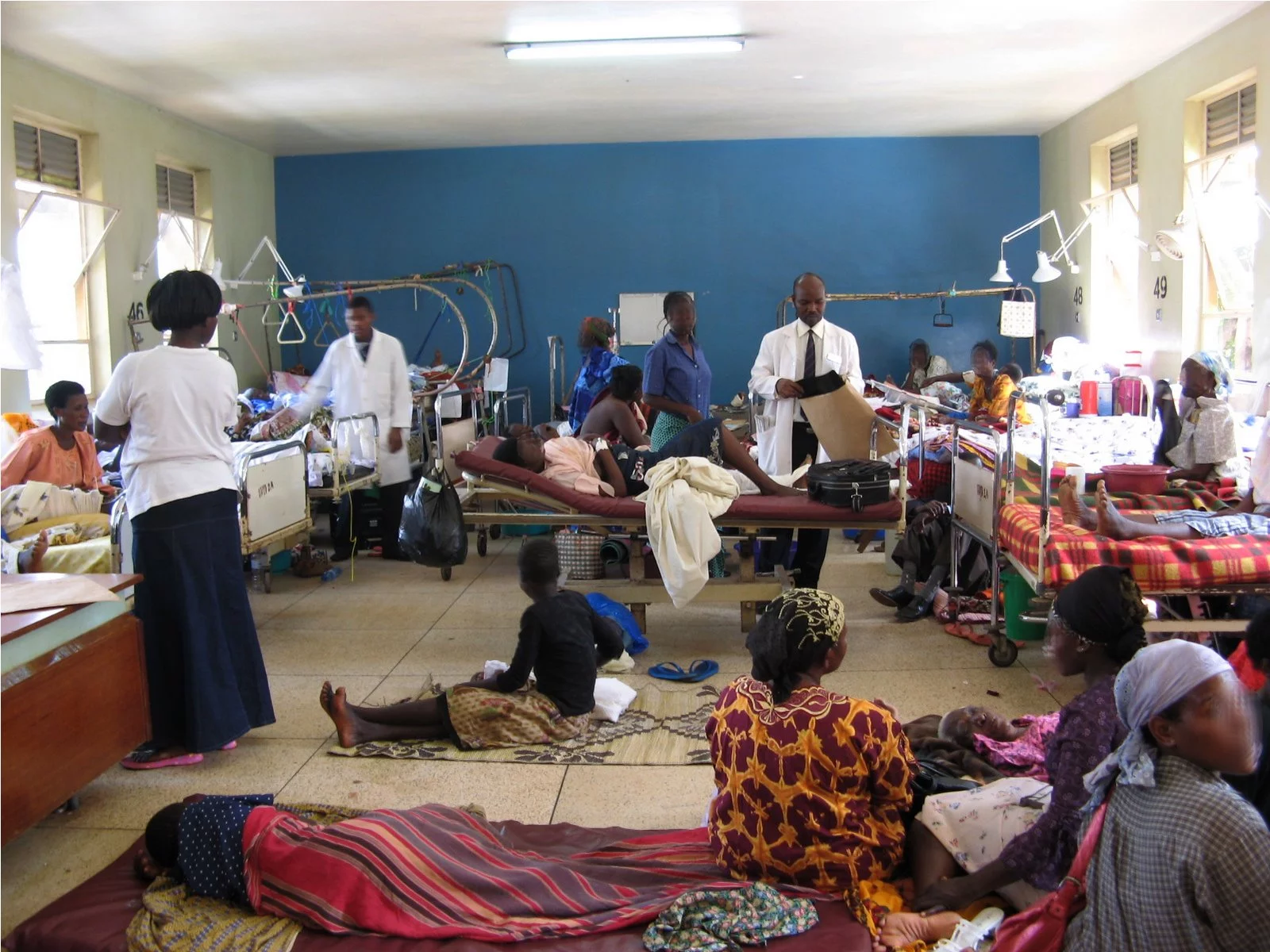
Tuberculosis remains one of Nigeria’s deadliest infectious diseases, claiming an estimated 70,000 lives annually.
According to World Health Organization (WHO) data, the crisis translates to roughly 268 deaths every day—an average of eight fatalities every hour.
Caused by the bacterium Mycobacterium tuberculosis, the disease spreads through the air when an infected individual coughs or talks.
In Nigeria’s densely populated urban centers, overcrowding and poor ventilation have accelerated its spread.
In response to this urgent health threat, the administration of President Bola Ahmed Tinubu, through the Office of the First Lady, Senator Oluremi Tinubu, has donated ₦2 billion to bolster the fight against TB and ensure free treatment for those affected.
These updates were shared during a TB Commemoration media briefing covered by Persecondews and hosted by the Federal Ministry of Health and Social Welfare, in collaboration with key stakeholders.
Addressing the briefing, Mr. Charles Nzelu, Director of Public Health, emphasized that Nigeria is intensifying its strategy to eliminate the disease through enhanced testing, rigorous data tracking, and nationwide awareness campaigns.
According to Mr. Nzelu, the country has seen a significant rise in case detection.
This progress is bolstered by the deployment of over 1,000 rapid testing machines, strategically positioned to reach underserved and vulnerable communities.
He added that electronic reporting systems are also being strengthened to ensure real time tracking of cases and prevent shortages of essential medicines.
He urged Nigerians to take advantage of free services by seeking early medical attention, especially in cases of prolonged cough, stressing that “ TB is curable, and the medicines used to treat it are available free of charge in designated facilities.”
Global health partners say Nigeria is making progress in the fight against tuberculosis, but warn that gaps in coverage could still fuel transmission if not urgently addressed.
WHO Representative in Nigeria, Mya Ngon said continued collaboration with government and communities remains critical, noting that while gains have been recorded, more work is needed to reach underserved populations.
She warned that failure to close those gaps could sustain the spread of the disease, stressing that “if we do not reach those pockets, transmission will continue.”
Also speaking, Board Chair of the “Stop TB Partnership Nigeria”, Queen Ogun Ladipo said efforts are underway to boost local funding for TB response, with increased advocacy and support from stakeholders while appreciating the First Lady for her continued support.
She, however, noted that Nigeria still relies heavily on donor funding, highlighting the need for stronger domestic investment.
On service expansion, TB Programme Lead at the Institute of Human Virology Nigeria, Temitope Adetigba said interventions supported by the Global Fund have scaled up access nationwide, with services now available across all states and the Federal Capital Territory.
He added that thousands of private healthcare providers have been engaged to improve early detection and referrals.
Meanwhile speaking to Per Second News on Stigmatization at the occasion, a TB survivor and advocate Francis Ejiga narrated how he lost his source of livelihood due to Tuberculosis but still grateful as he was saved by early detection of the disease.
He revealed that early awareness and community support systems are helping reduce discrimination, while encouraging more people to seek treatment.
Persecondnews reports that with TB services now available at 25,000 locations nationwide, National Coordinator Clement Adesigbin highlighted the government’s commitment to making early diagnosis accessible to every Nigerian.
However, health advocates from Knowledge for Disease Control and Vigilance stressed that the “last mile” of the fight against TB depends on the people.
They called for stronger community participation and collective action to break the stigma and ensure sustained public vigilance.
World Tuberculosis Day is marked every March 24 to raise awareness on the impact of the disease and accelerate efforts to eliminate it globally.
Author









Leave a comment