











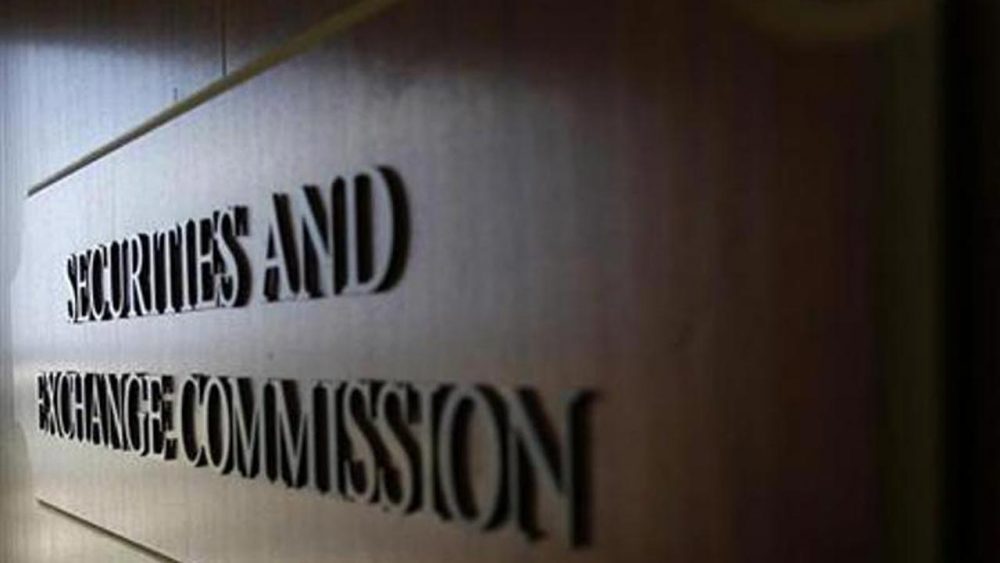



The Nigerian Securities and Exchange Commission (SEC) has ordered an immediate asset freeze for 13 capital market entities suspected of financing terrorism.
This move follows the Nigeria Sanctions Committee’s recent designation of 10 individuals and three organizations on the national sanctions list.
In a directive titled “Commission’s Sweeping Compliance Directive Issued to Capital Market Operators,” the SEC noted that the action complies with the Terrorism (Prevention and Prohibition) Act, 2022.
Under this law, the commission is required to freeze all funds and economic resources of sanctioned parties without prior notice.
Alongside the asset freeze, those listed are also subject to travel bans and arms embargoes.
Operators have been instructed to immediately identify and freeze all accounts linked to those listed, halt any ongoing or future transactions, and report both frozen assets and attempted dealings to the Sanctions Committee Secretariat.
Further details revealed that several of the individuals had previously been convicted by the Abu Dhabi Federal Court of Appeal in April 2019 for financing terrorism tied to Boko Haram.
The convictions stemmed from allegations of raising funds in Dubai and transferring them to Nigeria to support terrorist activities, with penalties ranging from 10-year jail terms to life imprisonment.
The SEC noted that the case underscores how corporate entities can be used as channels for illicit financial flows, stressing the need for tighter scrutiny across the financial system.
It added that the asset freeze measure is preventive, aimed at disrupting funding networks for terrorism before resources can be deployed.
The Commission warned that failure to comply with the directive could attract severe consequences, including civil and criminal penalties, as well as reputational risks for affected institutions.
The SEC’s directive now covers Designated Non-Financial Businesses and Professions (DNFBPs), reflecting a nationwide push to secure the financial sector.
Operators are expected to boost real-time monitoring and apply sanctions immediately—without notice—to stay aligned with anti-money laundering and counter-terrorism standards.
It cautioned that ignoring these mandates could destroy a firm’s credibility on the global stage.
SEC stated: “This highlights a pattern where corporate vehicles are used as channels for financial flows, reinforcing the need for heightened scrutiny of business entities within the financial system.
“The SEC also emphasized that the asset-freezing mechanism is preventive rather than punitive, designed to disrupt financial support systems for terrorism before funds can be deployed.
“The implications for non-compliance are severe, including both civil and criminal liabilities, as well as reputational damage for institutions found wanting.
“For market operators, the trading systems must be capable of rapid name screening, asset tracing, and reporting, while compliance teams are expected to act without delay or prior notice to affected clients.”
Author










Leave a comment