










Scroll through any Nigerian football group chat on a weekend and you’ll see the same routine: odds screenshots, last-minute cash-outs, and one unlucky slip everybody laughs at. Behind all that noise sits an industry now dominated by brands built, licensed and stress-tested in Nigeria itself.
Foreign names are around, but for most regular punters the everyday booking still runs through a handful of local operators. Below are five betting apps and sites that were made in Nigeria and now define how the market works in 2026 – including how simulated reality leagues keep tickets alive even when real football slows down.
Bet9ja – the benchmark brand
If you had to pick one company that turned online betting from a side hobby into a mainstream habit, Bet9ja would be near the top of the list. Launched in 2013 under KC Gaming Networks and licensed by the Lagos State Lotteries Board, it grew from a basic website into one of the most visited platforms in the country.
Today, Bet9ja is still the reference point for many Nigerian bettors: deep football coverage, virtuals, casino, promos and a mobile lite version for weak connections. It also leans heavily into tech trends, especially simulated reality leagues. Using AI-driven models and historical stats, Bet9ja’s SRL products replay fixtures from top leagues, offering full 90-minute “matches” with odds, in-play markets and cash-out options even when real football is off-season or postponed.
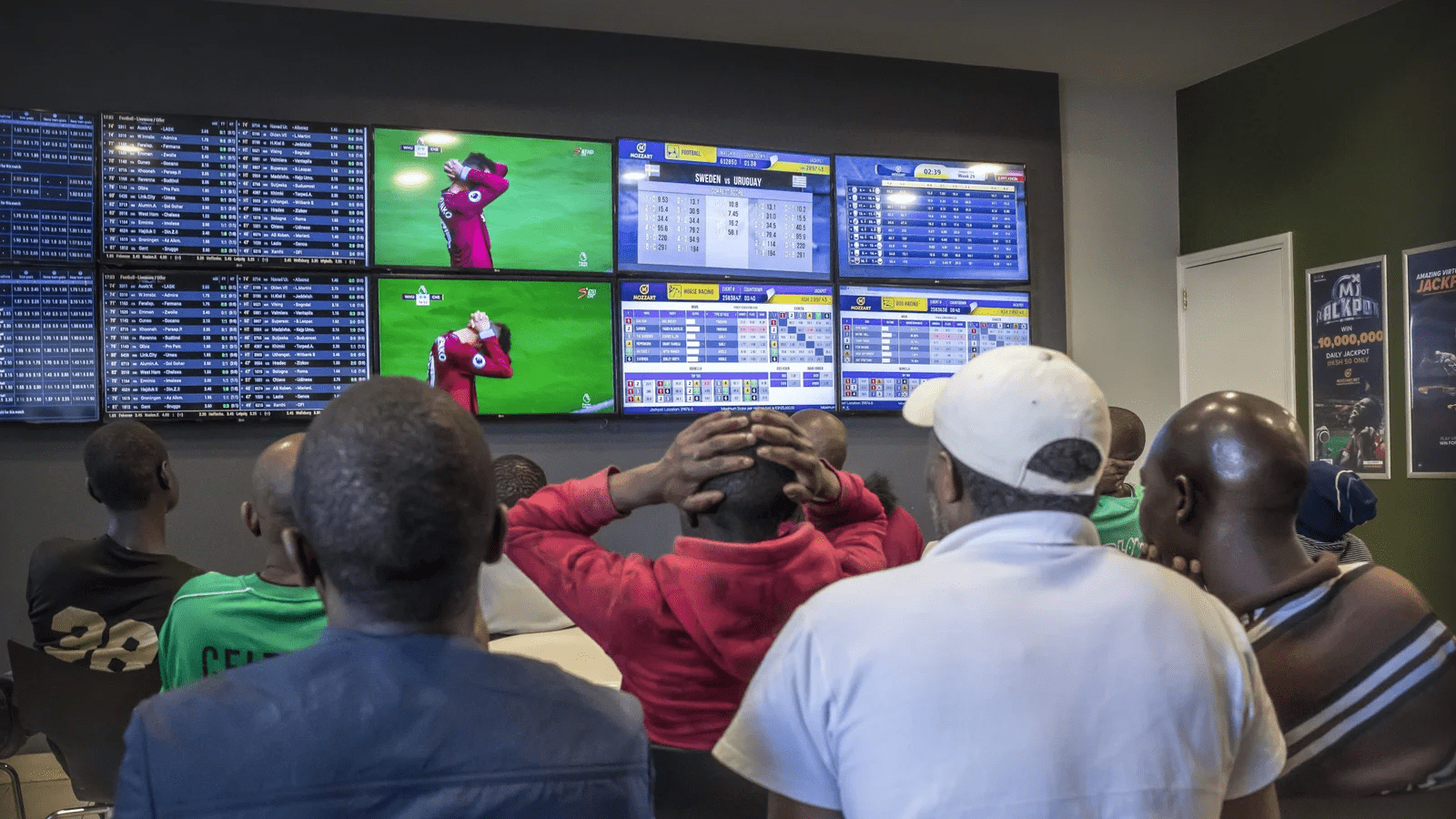
For a lot of punters, that means the betting routine never really stops: if the Premier League is on break, there is still simulated Arsenal vs. Chelsea running on the SRL coupon. In most “best betting site” arguments in beer parlours or viewing centres, Bet9ja will be mentioned within the first 30 seconds, whether people praise it for big wins or curse it for tickets that cut by one virtual goal.
Surebet247 – from corner betshop to full platform
Surebet247 is another child of the early 2010s boom. Registered under ChessPlus International Limited in 2011 and licensed by both the Lagos State Lotteries Board and the NLRC, it started life as a classic Nigerian mix of online platform plus physical shops.
The brand now sells itself as a Nigerian betshop and online casino in one, with sportsbook, virtuals and slots available on web and app. It has plugged into virtual products from providers such as Betradar, which makes its line-up of simulated reality leagues and virtual fixtures feel familiar to shop bettors who were used to watching computer-generated games on TV screens long before “AI” became a buzzword.
For many men who first staked in small corner shops, Surebet has barely changed in spirit: same bold colours, same direct tone of voice, but now sitting inside a smartphone instead of only on a dusty shop counter. You can still play a weekend English SRL coupon, argue with friends about a simulated penalty decision, and cash out straight to your wallet without leaving the house.
BetKing – the shop culture, upgraded
BetKing arrived later but understood one simple truth: Nigerians like to bet close to where they watch football. Headquartered in Lagos and run through the KingMakers group, it built a wide network of agents and shops while also pushing a strong online product.
Its website offers sports, virtuals, jackpots and a busy weekend coupon. Simulated reality leagues sit comfortably in that mix, giving punters extra fixtures when the real schedule looks thin. A lot of regulars treat SRL games like extended versions of the same leagues they already follow, using familiar teams and patterns to build combo slips.
The culture is still very Nigerian – handwritten slips in some areas, WhatsApp odds in others, and a strong presence around major matches. For many, BetKing is the bridge between the old “pool house” energy and the polished online and SRL-driven age that followed, where there is always one more game to add to the ticket, real or simulated.
SportyBet – pure smartphone generation
While some brands grew out of shops, SportyBet was built for the phone from day one. The Nigerian arm is owned by Marawin Group, a Nigeria-based company, and licensed by the Lagos State Lotteries Board, with wider operations across Africa.
The interface is stripped down, fast and unapologetically mobile-first: quick slips, heavy focus on live football, and straightforward markets that don’t require a statistics degree. On top of real fixtures, SportyBet leans into virtual football and simulated reality leagues to keep its schedule busy around the clock. A user can move from live La Liga to a simulated Serie A fixture in a few taps, keeping the same style of betting but on AI-generated matches.
For younger bettors who jumped straight from streaming matches on their phones to staking on them, SportyBet feels like home. They might never set foot inside an old-school shop, but they know how to flip between live games, SRL fixtures and virtuals, and they know exactly where the cash-out button sits.
MSport – the disciplined newcomer
MSport is the youngest of the five, but it has moved quickly. Established around 2020 and affiliated with the National Lottery Regulatory Commission, MSport Nigeria markets itself heavily as a local platform with strong odds, big welcome offers and a clean interface.
The site and app are designed for everyday use rather than casino-style flash: straight football markets, some casino and virtual games, detailed stats and quick deposits and withdrawals in naira. As competition has heated up, MSport has also expanded its virtual section, including simulated reality leagues where fixtures run back-to-back, giving serious punters something to do between real-world kick-offs.
It is the kind of brand that appeals to bettors who want structure and predictability: clear markets, stable odds and a SRL schedule that runs on time, even when real-life fixtures are postponed by weather, travel or politics.
Why these five matter
All five companies grew out of Nigerian soil – registered here, licensed here, argued over every weekend in viewing centres from Ajegunle to Aba. They understand the little things: how salary cycles affect staking, why a Saturday lunchtime kick-off feels different from a Monday night game, and what happens when a network drops mid-match and people are trying to cash out.
Simulated reality leagues are the latest layer on top of that local knowledge. They keep betting activity alive when real leagues are on international break or off-season, but they also test how much Nigerian punters trust data, algorithms and virtual outcomes. For now, the answer is clear enough: as long as the odds look fair and payouts land, most bettors are happy to mix real fixtures with simulated ones on the same slip.
Foreign platforms will keep entering the market, and a few will find their audience. But when it comes to shaping language, habits and expectations – from shop culture to SRL coupons running at 3am – these locally built sites still set the tone. For a Nigerian bettor in 2026, starting with a homegrown operator is not just about patriotism; it is about dealing with a company that actually understands the streets it serves, both in real life and in the simulated leagues running quietly in the background.
Author






Leave a comment