










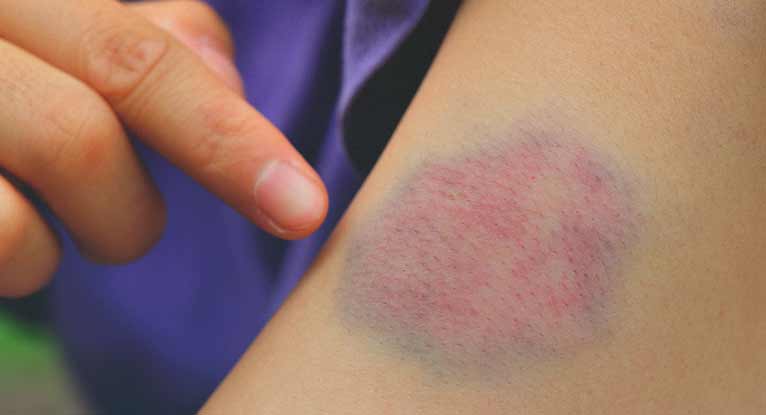



Clots happen when bloodthickens and sticks together. That can be a good thing when it prevents you from bleeding, but not so much when a clot forms inside your blood vessels. Sometimes, one can travel to your lungs. This is called a pulmonary embolism (PE), and it can be life-threatening if it blocks blood flow.
While a clot can form after any type of procedure, you’re more likely to get one if you’ve had major surgery, particularly on your abdomen, pelvis, hips, or legs.
Why It Happens
DVT is common after an operation because you’re usually staying in bed for long periods of time while you recover. When you stop moving, bloodflows more slowly in your deep veins, which can lead to a clot.
You’re most likely to get a clot between 2 and 10 days after your surgery, but your odds are higher for about 3 months.
- Smoke
- Had DVT in the past
- Are overweight or obese
- Have close family members with DVT
- Are pregnant
- Have a disorder that affects your blood or veins
- Are older
- Use certain medicines, including birth control and hormone therapy
- Have specific types of cancer
During Surgery
Sometimes, the surgery itself can cause a blood clot. Long procedures where you’re lying on the operating table for many hours allow your blood to settle and pool, which makes it easier to clot.
Tissue, debris, fat, or collagen could get released into your blood system during an operation, making blood thicker around those particles. Blood clots can also form if your veins are damaged during an operation.
Surgeries that involve scraping or cutting into a bone, such as a hip replacement, may release substances known as antigens. These antigens trigger your body’s immune system and can lead to clots.
Symptoms to Watch For
Only about half of people who get DVT have symptoms.
Let your doctor know right away if you have any signs of DVT or PE:
- Pain or tenderness in your leg
- Swelling or warmth in your leg
- Red or discolored skin on your leg
- Veins that stick out
- Shortness of breath
- Coughing up blood
- Sudden chest pain
- Painful breathing
Prevention
Before your surgery, stop smoking. Work on getting rid of any extra pounds you’re carrying. Talk to your doctor if you need help.
After your surgery, you’ll want you to keep your blood moving. Your doctor may prescribe blood thinner medicines, which are also called anticoagulants. They make it harder for your blood to stick together and form clots.
Simple movements, such as leg lifts while you’re in bed, can improve blood flow. You might need to take pain medicine so you can exercise comfortably.
Elastic compression stockings or a compression device can help stop blood from pooling in your veins.
WebMD Medical Reference Reviewed by James Beckerman, MD, FACC
Author









Leave a comment