











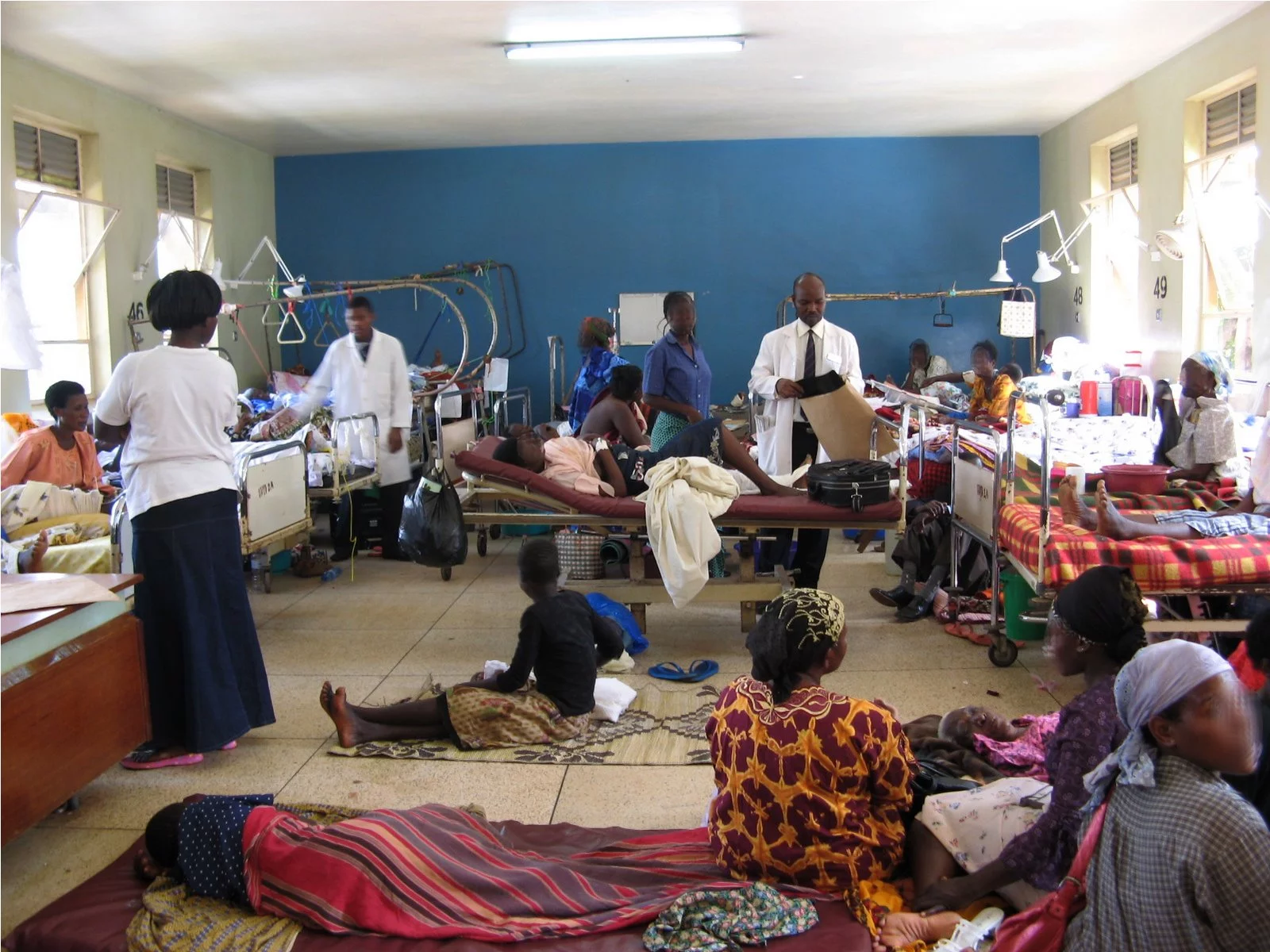




The World Health Organisation (WHO) has disclosed that the rise of infectious diseases in several countries in 2023 was exacerbated by poverty, insecurity, and poor access to clean water and hygienic conditions.
This is as the international health body said 2023 was a year of milestones and challenges in global public health.
The Director-General of WHO, Dr. Tedros Ghebreyesus, who said this in his end-of-2023 message on Tuesday, noted that gaps remain in the world’s readiness to prevent the next pandemic.
According to the WHO DG, the declaration of an end to COVID-19 as a public health emergency of international concern marked a turning point for the world following three years of crisis, pain, and loss for people everywhere.
He said: “We approved new vaccines for malaria, dengue, and meningitis, diseases that threaten millions around the world, mainly the most vulnerable.
“Azerbaijan, Tajikistan, and Belize were declared malaria-free, and a range of neglected tropical diseases were eliminated in multiple countries, including sleeping sickness in Ghana, trachoma in Benin, Mali, and Iraq, and lymphatic filariasis in Bangladesh and Lao.
“The path to eradicating another vaccine-preventable disease – polio – has reached its last mile. Thirty more countries introduced the HPV vaccine as the world advances toward eliminating cervical cancer.”
Ghebreyesus, however, said 2023 has also been a year of immense and avoidable suffering and threats to health.
According to him, attacks by Hamas on Israel on October 7, had left about 1300 people dead and over 200 taken hostage.
“This was followed by the unleashing of a devastating attack on Gaza which has killed more than 20,000 people – mainly women and children – and injured over 53,000.
“At the same time, hospitals and health workers have been repeatedly attacked, while relief efforts are not coming close to meeting the needs of people.
“As of December 22, only 9 of 36 health facilities in Gaza were partially functional, with only four offering the most basic of services in the north.
“Insecurity, poverty, and lack of access to clean water and hygiene fanned the spread of infectious diseases in many countries.
“The resurgence of cholera is especially concerning, with a record number of 40-plus outbreaks around the world,” he said.
“And in terms of emergency preparedness and response, gaps remain in the world’s readiness to prevent the next pandemic.”
Author










Leave a comment