






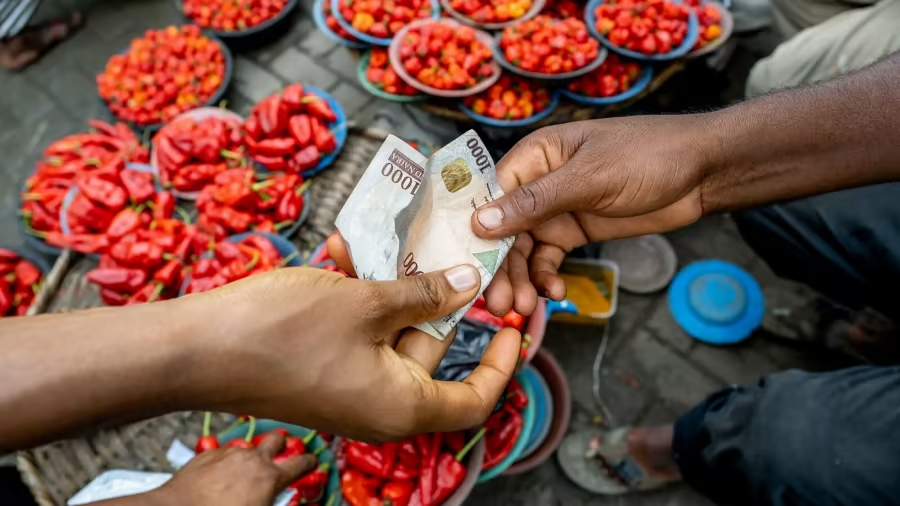




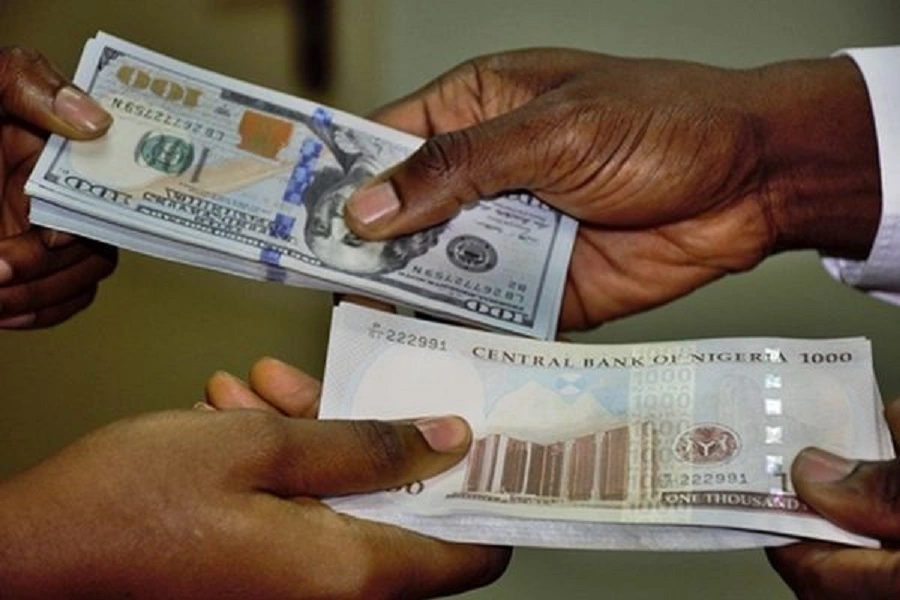




The Economic Intelligence Unit (EIU) has predicted in its latest report that the Bola Tinubu administration will soon revert to the regime where the exchange rate will be controlled and regulated.
According to EIU, the reversion is to try save the nation’s currency, Naira, from losing its value further.
The EIU pointed out that the Central Bank of Nigeria (CBN), which manages the country’s money, doesn’t have much experience handling a flexible exchange rate system.
Before President Bola Ahmed Tinubu decided to change the system, Nigeria had been somewhat successful in managing the Naira’s value and its impact on the economy.
“The CBN lacks experience in conducting monetary policy under a float, and the need to control rapidly increasing inflation will become more acute over time.
“Our forecast is finely balanced, but we expect a return to heavier exchange-rate management from the second half of 2023 as the naira slides beyond N800:US$1 from N770:US$1 in early July,” it said in its report.
The research firm argued that there is currently a shortage of foreign currency in the country, especially when it comes to fulfilling demands for foreign exchange through Form A and M.
This, combined with speculators taking advantage of the situation, might push the CBN to step in more and “intervene” in the market, especially since about 98 percent of their foreign reserves are in cash.
However, the EIU noted that Nigeria’s foreign reserves are still relatively liquid, which means they can pay for imports for at least another six to eight months. Some analysts believe this gives the government enough time to increase revenue, stop financial leaks, and pay off some debts.
The report also projected that because of the unstable exchange rate and how it affects people’s lives, the naira will lose its value more slowly than expected in the medium to long term.
They estimated that the average rate will be “N815 to US$1 in 2024” and will further decline to “N1,018 to US$1 by the end of 2027”.
This is around 10 to 15 percent less than what the black-market exchange rate would be during the same period.
Author










Leave a comment